Sustainable Living 2026: Save 10 Hours Monthly
Advertisements
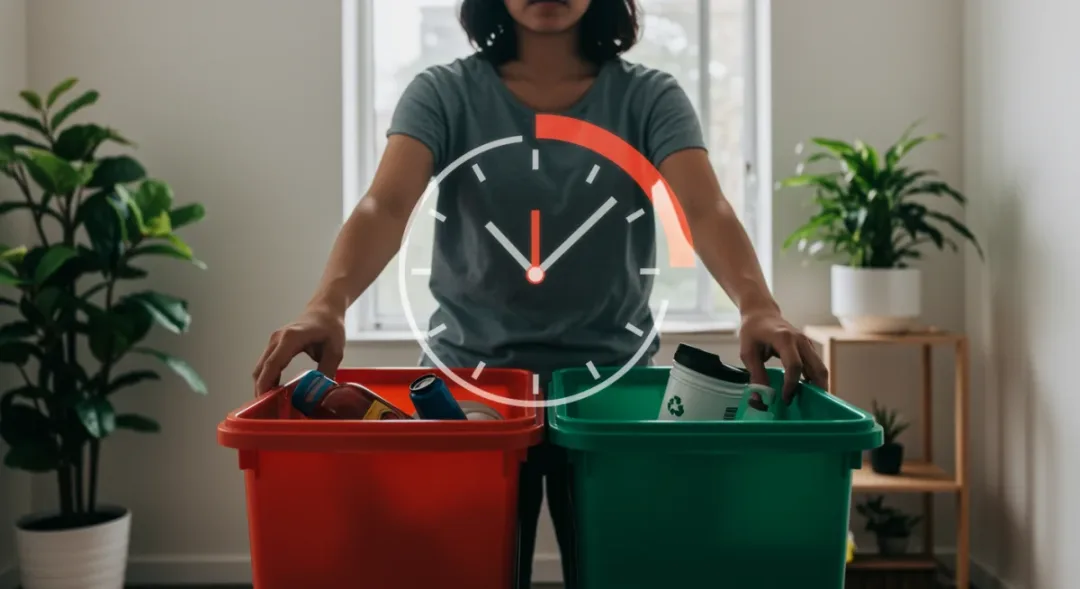
Adopting a sustainable lifestyle in 2026 offers practical benefits beyond environmental impact, including actionable strategies that can significantly reduce time spent on daily tasks, potentially saving individuals up to 10 hours monthly.
Are you ready to transform your daily routine into one that’s not only kinder to the planet but also remarkably efficient? Delve into Beyond the Basics: Insider Tips for Sustainable Lifestyle Choices in 2026 That Save You 10 Hours Monthly, and discover how small, smart changes can lead to significant time savings and a greener existence.
Rethinking Consumption: Smart Purchases for a Greener Future
Our consumption habits are at the core of our environmental footprint. By making more thoughtful purchasing decisions, we not only reduce waste but also streamline our lives, saving both money and time in the long run. This section explores how strategic consumption can be a cornerstone of a sustainable lifestyle.
Embracing conscious consumerism means looking beyond the immediate purchase and considering the entire lifecycle of a product. This involves understanding where items come from, how they’re made, and what happens to them after we’re done. It’s about quality over quantity, and choosing brands that align with ethical and environmental values.
The Power of Durability and Repairability
Investing in high-quality, durable goods might seem like a larger upfront cost, but it invariably saves time and resources. Less frequent replacements mean fewer shopping trips and reduced waste.
- Choose products with extended warranties: This indicates manufacturer confidence in longevity.
- Look for modular designs: Items that can be easily repaired or have replaceable parts prevent immediate disposal.
- Support brands offering repair services: This promotes a circular economy and extends product life.
Repairing items instead of replacing them is another powerful sustainable choice. Learning basic repair skills or identifying local repair shops can save hours of research and shopping for new items. It fosters a sense of self-reliance and reduces dependence on constant consumption.
Subscription Services and the Sharing Economy
The rise of subscription services and the sharing economy offers innovative ways to access goods and services without owning them outright. This can significantly reduce individual consumption and waste.
- Tool libraries: Borrow specialized tools for DIY projects instead of buying them.
- Clothing rental: Access high-fashion or occasion wear without the commitment of ownership.
- Community gardens: Share resources and produce, fostering local sustainability.
These models not only save you money but also free up storage space and reduce the time spent maintaining possessions. They promote a more collaborative and less materialistic approach to living, aligning perfectly with a sustainable lifestyle in 2026.
By consciously rethinking our consumption patterns, prioritizing durability, and embracing shared resources, we can significantly reduce our environmental impact. These choices simplify our lives, making them more efficient and allowing us to reclaim valuable time, often without even realizing it.
Efficient Home Management: Streamlining for Sustainability
A sustainable home is not just about using less energy; it’s about efficient management that saves time and resources. By integrating smart technologies and mindful practices, households can become beacons of eco-friendliness and productivity.
Optimizing home management involves a holistic approach, from how we clean to how we store our food. Every decision, no matter how small, contributes to the overall efficiency and sustainability of our living space. This translates directly into hours saved each month, freeing up time for other pursuits.
Smart Technology for Time and Energy Savings
Modern smart home devices offer unparalleled opportunities to automate and optimize routines, leading to significant energy reductions and time savings.
- Smart thermostats: Automatically adjust temperatures, preventing energy waste and optimizing comfort.
- Smart lighting systems: Schedule lights and use motion sensors to ensure they’re only on when needed.
- Energy-efficient appliances: Invest in models with high energy star ratings to reduce utility bills and environmental impact.
These technologies can be set up once and then largely forgotten, working in the background to maintain efficiency. Imagine the time saved not constantly adjusting settings or worrying about forgotten lights. This automation is a key component of a streamlined and sustainable lifestyle in 2026.
Waste Reduction and Composting Made Easy
Minimizing household waste is a direct path to sustainability and can simplify daily chores. Reducing what goes into the trash means less time spent dealing with it.
Implementing a robust recycling system and embracing composting transforms waste management. Instead of multiple trips to the curb, a well-organized system makes sorting quick and easy. Composting food scraps reduces landfill waste and creates nutrient-rich soil for gardens, diminishing the need for synthetic fertilizers.
Consider a countertop composting bin for convenience, or a larger outdoor composter for garden enthusiasts. The time saved from fewer garbage disposals and the environmental benefits are substantial. Efficient home management, powered by smart choices and waste reduction, truly underpins a more sustainable and time-rich existence.
Sustainable Transportation: Commuting Smarter, Not Harder
Transportation is a major contributor to carbon emissions, but it also presents significant opportunities for time-saving sustainable choices. By rethinking our commutes and travel habits, we can reduce our environmental impact and often reclaim valuable hours.
The daily commute often feels like a drain on both our time and our patience. However, with a bit of planning and a willingness to explore alternatives, sustainable transportation can become a source of efficiency and even enjoyment. It’s about making conscious choices that benefit both the planet and our personal schedules.
Embracing Active and Public Transport
Walking, cycling, and using public transportation are not only eco-friendly but can also be surprisingly time-efficient, especially in urban environments. They often bypass traffic congestion and offer opportunities for exercise or relaxation.
- Bike-to-work schemes: Many cities offer incentives and infrastructure for cyclists.
- Optimizing public transit routes: Use apps to find the fastest and most reliable public transport options.
- Combining modes: Cycle to a train station, then take public transport for longer distances.
Beyond the environmental benefits, active commuting integrates physical activity into your daily routine, saving time on separate gym visits. Public transport allows for reading, working, or simply unwinding, transforming dead travel time into productive or relaxing moments. This shift is crucial for a sustainable lifestyle in 2026.
Car-Sharing and Electric Vehicles
For journeys where personal vehicles are necessary, car-sharing services and electric vehicles (EVs) offer more sustainable alternatives. These options reduce individual car ownership and its associated environmental burden.
Car-sharing platforms provide access to vehicles only when needed, eliminating the costs and time commitment of maintenance, insurance, and parking. For those who do own a vehicle, switching to an EV significantly lowers emissions and can reduce fuel costs and maintenance time. Charging an EV overnight at home can be more convenient than frequent gas station stops.
By strategically adopting these sustainable transportation methods, individuals can drastically cut down on commuting stress and time. It’s about making smart choices that align with environmental values while simultaneously enhancing personal efficiency.
Mindful Eating: Healthy, Sustainable, and Time-Saving Meals
Our food choices have a profound impact on the environment, from production to waste. Adopting mindful eating habits not only promotes personal health but also supports sustainability and can significantly streamline meal preparation, saving precious hours.
Eating sustainably goes beyond just choosing organic produce; it involves a holistic approach to how we source, prepare, and consume our food. By planning meals, reducing food waste, and opting for plant-rich diets, we can make a substantial difference to our environmental footprint and our daily schedule.
Meal Planning and Batch Cooking
Strategic meal planning and batch cooking are game-changers for both sustainability and time management. Preparing meals in advance reduces daily cooking time and often leads to healthier choices.
- Weekly meal plans: Outline all meals for the week to minimize impulsive food purchases and waste.
- Batch cook staples: Prepare large quantities of grains, roasted vegetables, or proteins that can be used in multiple meals.
- Repurpose leftovers creatively: Transform dinner leftovers into exciting new lunches for the next day.
This approach saves extensive time on daily cooking and grocery trips. It also ensures that food is consumed before it spoils, directly combating food waste, a major environmental issue. A well-executed meal plan is a cornerstone of a time-efficient and sustainable lifestyle in 2026.
Reducing Food Waste and Composting
Food waste is a significant environmental problem, but it’s also an area where individuals can make a substantial difference. By carefully managing food, we save money and minimize our ecological footprint.
Beyond meal planning, understanding proper food storage techniques can extend the life of produce and prepared meals. Embracing composting for unavoidable food scraps diverts organic matter from landfills, where it produces harmful methane gas. Many communities now offer curbside composting, making it easier than ever.
By consciously planning, cooking efficiently, and minimizing waste, we can enjoy delicious, healthy, and sustainable meals without dedicating excessive time to the kitchen. These practices are central to achieving a truly mindful and efficient lifestyle.
Energy Conservation: Simple Switches, Big Impact
Energy consumption is an omnipresent aspect of modern life, deeply intertwined with our daily routines. By making conscious efforts to conserve energy, we not only reduce our utility bills but also contribute significantly to a healthier planet. These simple switches can also free up time by simplifying home maintenance and reducing energy-related issues.
The goal is to integrate energy-saving habits seamlessly into our lives, making them second nature. It’s not about deprivation, but about optimization and mindful usage. Every kilowatt-hour saved contributes to a larger collective effort towards sustainability.
Unplugging and Smart Power Strips
Phantom load, or “vampire power,” refers to the energy consumed by electronics even when they are turned off or in standby mode. This constant drain adds up over time, both in terms of energy consumption and cost.
- Unplug unused devices: Chargers, coffee makers, and entertainment systems continue to draw power when left plugged in.
- Utilize smart power strips: These strips cut power to devices not actively in use, eliminating phantom load automatically.
- Automate with timers: Set timers for devices like routers or decorative lights to switch off during inactive hours.
Implementing these practices requires minimal effort but yields tangible results. Once established, they become effortless habits that save energy without requiring constant attention, thereby saving time that might otherwise be spent managing complex energy systems. This is a simple yet effective step towards a sustainable lifestyle in 2026.
Optimizing Heating and Cooling
Heating and cooling systems are often the largest energy consumers in a home. Small adjustments and regular maintenance can lead to substantial savings.
Ensuring proper insulation in walls and attics prevents heat loss in winter and heat gain in summer. Regularly cleaning or replacing HVAC filters improves efficiency and extends the lifespan of the system, reducing maintenance calls and associated time. Setting your thermostat just a few degrees higher in summer and lower in winter, or using programmable thermostats, makes a significant difference without sacrificing comfort.
These measures not only conserve energy but also contribute to a more comfortable living environment and reduce the frequency of system breakdowns. By prioritizing energy conservation, we create a more efficient and sustainable home, allowing us to allocate our time to more fulfilling activities.
Community Engagement: Collective Action for a Greener World
Individual sustainable choices are powerful, but their impact amplifies exponentially when we engage with our communities. Collective action fosters a supportive environment for eco-friendly practices and can open doors to shared resources and knowledge, ultimately saving individual time and effort.
Community engagement isn’t just about large-scale projects; it’s about connecting with neighbors, sharing ideas, and collaborating on initiatives that benefit everyone. This shared responsibility can lighten the load for individuals, making sustainable living more accessible and enjoyable.
Local Initiatives and Volunteer Opportunities
Participating in local environmental initiatives or volunteering for green projects strengthens community bonds and directly contributes to local sustainability efforts.
- Community clean-up drives: Help keep local parks and public spaces clean.
- Urban gardening projects: Contribute to local food production and green spaces.
- Environmental advocacy groups: Support policies that promote sustainability in your area.
These activities not only improve your local environment but also provide opportunities to learn new skills and connect with like-minded individuals. The collective effort means that tasks that might be daunting for one person become manageable and enjoyable as a group. This collaborative spirit is vital for a thriving sustainable lifestyle in 2026.
Sharing Resources and Knowledge
A strong community thrives on sharing. This can manifest in various forms, from sharing physical resources to exchanging knowledge and skills.
Consider setting up a neighborhood tool-sharing program, where residents can borrow items like lawnmowers or specialized equipment instead of each buying their own. Organize skill-sharing workshops on topics like home composting, basic repairs, or sustainable cooking. These initiatives reduce individual purchasing needs, save money, and build a stronger, more resilient community.
By actively engaging with our communities, we create a network of support that makes sustainable living easier and more impactful. The time saved through shared resources and collective effort allows for greater participation in other aspects of life, reinforcing the benefits of a community-driven sustainable approach.
Digital Decluttering: A Sustainable Approach to Your Online Life
In our increasingly digital world, sustainability extends beyond physical objects to our online habits. Digital clutter, like physical clutter, can consume time, energy, and resources. Adopting sustainable digital practices can streamline your online life, reduce your digital footprint, and surprisingly, save you hours each month.
Just as we declutter our homes, it’s essential to declutter our digital spaces. This involves managing emails, cloud storage, and digital subscriptions effectively. By being mindful of our online consumption, we contribute to a more efficient and eco-friendly digital ecosystem.
Managing Emails and Cloud Storage
An overflowing inbox and excessive cloud storage don’t just create mental stress; they also consume significant energy. Every email and stored file requires server space, which in turn requires energy for maintenance and cooling.
- Unsubscribe ruthlessly: Regularly unsubscribe from newsletters and promotional emails you no longer read.
- Delete unnecessary files: Regularly review and delete old documents, photos, and videos from cloud storage.
- Organize with folders: A well-organized email and cloud system reduces search time and promotes efficiency.
By dedicating a small amount of time each week to digital decluttering, you can maintain a lean and efficient online presence. This reduces the energy consumption associated with data centers and frees up valuable time spent searching for files or dealing with an overwhelming inbox. It’s a subtle yet impactful aspect of a sustainable lifestyle in 2026.
Mindful Digital Consumption and Screen Time
Our screen time and digital consumption habits also play a role in sustainability. Excessive streaming, constant notifications, and endless scrolling contribute to energy consumption and can be a significant time sink.
Consider setting limits on streaming quality if high definition isn’t always necessary, as lower resolutions consume less bandwidth and energy. Curate your social media feeds to only follow accounts that add value, reducing mindless scrolling. Turn off unnecessary notifications to minimize distractions and reclaim focused time.
By being more mindful of our digital consumption, we not only reduce our energy footprint but also gain back precious hours that might otherwise be lost to unproductive screen time. This digital sustainability is key to a truly efficient and balanced modern life.
| Key Sustainable Practice | Time-Saving Benefit |
|---|---|
| Conscious Consumption | Reduces shopping trips and product replacements, freeing up hours. |
| Efficient Home Management | Smart tech and waste reduction automate tasks, saving daily minutes. |
| Sustainable Transportation | Bypasses traffic and offers productive travel time, cutting commute duration. |
| Mindful Eating & Planning | Streamlines grocery shopping and cooking, minimizing daily kitchen time. |
Frequently Asked Questions About Sustainable Living in 2026
How can a sustainable lifestyle truly save me 10 hours monthly?▼By streamlining activities like shopping (durable goods), commuting (public transport, active travel), meal prep (batch cooking), and home management (smart tech, waste reduction), accumulated minutes transform into hours. Conscious choices lead to fewer tasks and more efficient routines, freeing up significant time.
What are the most impactful initial steps for a beginner in sustainable living?▼Start with easy wins: reduce single-use plastics, unplug electronics when not in use, and plan meals to minimize food waste. These small changes have a noticeable impact without requiring a complete lifestyle overhaul, building momentum for further sustainable practices.
Is adopting a sustainable lifestyle expensive?▼While some initial investments (e.g., energy-efficient appliances) can be higher, sustainable living often saves money long-term. Reducing consumption, conserving energy, and repairing items instead of replacing them lead to significant financial benefits over time, making it a cost-effective choice.
How does digital decluttering contribute to sustainability?▼Digital clutter, like excessive emails and cloud data, requires energy-intensive servers for storage and maintenance. By regularly unsubscribing from unwanted emails and deleting unnecessary files, you reduce your digital footprint, thereby lowering energy consumption associated with data centers.
Can community involvement enhance my sustainable lifestyle efforts?▼Absolutely. Engaging with local initiatives, like community gardens or tool-sharing programs, amplifies individual impact and provides access to shared resources and knowledge. This collective effort not only makes sustainable choices easier but also fosters a supportive environment for eco-friendly living.
Conclusion
Embracing a sustainable lifestyle in 2026 is far more than an environmental imperative; it’s a strategic pathway to a more efficient, fulfilling, and time-rich existence. By consciously re-evaluating our consumption, optimizing home management, adopting smarter transportation, making mindful food choices, conserving energy, and engaging with our communities, we not only reduce our ecological footprint but also unlock valuable hours each month. The insights shared here demonstrate that sustainability and personal efficiency are not mutually exclusive but rather complementary forces that can profoundly enhance our daily lives. The future of living green is about smarter choices, not sacrifices, leading to a richer life for both ourselves and the planet.