Sustainable Knitwear Shifts: 3 Low-Impact Yarns Redefining Luxury
Advertisements
Elevating high-end fashion choices starts with understanding how modern textile innovations are transforming conscious wardrobe aesthetics. Embracing sustainable knitwear shifts allows luxury consumers and eco-minded brands to combine refined craftsmanship with environmentally responsible sourcing strategies.
Low-impact fiber innovations like recycled cashmere, regenerative organic cotton, and closed-loop wood pulp cellulose are replacing traditional resource-heavy textiles.
Integrating these low-footprint yarns into premium sweater collections ensures supreme softness, enhanced garment durability, and traceable supply chains without compromising elegance.
Adopting circular manufacturing methods is reshaping standard luxury standards for winter fashion collections worldwide. Here is how three innovative natural fibers are setting a new benchmark for eco-conscious luxury apparel this season.
The Emergence of Tencel in Luxury Knitwear
Tencel, a brand of lyocell and modal fibers from Lenzing AG, has rapidly ascended as a preferred material in luxury knitwear, renowned for its exceptional softness, breathability, and drape.
Its production process, based on sustainably sourced wood pulp, operates in a closed-loop system, recycling water and solvents at a recovery rate of over 99%, significantly minimizing environmental impact.
This innovative fiber offers a compelling alternative to traditional materials, providing a luxurious hand-feel that rivals silk and cashmere while boasting superior moisture management properties.
Brands are increasingly integrating Tencel into their collections to meet the growing consumer demand for both comfort and ecological integrity.
The versatility of Tencel allows for its application across a wide range of knitwear, from delicate, lightweight sweaters to more structured, cozy garments, making it a cornerstone in the ongoing sustainable knitwear shifts within the luxury sector.
Tencel's Eco-Friendly Production Process
The manufacturing of Tencel fibers involves an environmentally responsible closed-loop process that transforms wood pulp into cellulosic fibers with high resource efficiency and low ecological impact. This method ensures that nearly all processing chemicals are recovered and reused, setting a benchmark for sustainable textile production.
This commitment to sustainability extends to the sourcing of raw materials, with wood pulp derived from sustainably managed forests, ensuring that the entire lifecycle of the fiber adheres to stringent environmental standards. The result is a fiber that not only performs exceptionally but also aligns with the ethical values of modern luxury consumers.
The transparency and certified sustainability of Tencel's production provide brands with a credible narrative for their eco-conscious collections, fostering trust and loyalty among a discerning clientele. This makes Tencel a key player in the broader sustainable knitwear shifts.
Closed-loop production system minimizes waste and pollution.
Sustainably sourced wood pulp from certified forests.
High resource efficiency and low ecological footprint.
Biodegradable and compostable fibers at end of life.
Performance and Aesthetic Benefits
Beyond its environmental credentials, Tencel offers a host of performance and aesthetic benefits that make it ideal for luxury knitwear. Its smooth surface ensures a soft touch against the skin, while its inherent breathability and moisture-wicking properties provide comfort across varying temperatures.
The fiber's excellent color retention means garments maintain their vibrancy wash after wash, contributing to the longevity and enduring appeal of luxury pieces. Tencel's natural luster and fluid drape also enhance the elegance of knitwear, allowing designers to create sophisticated and timeless silhouettes.
These attributes collectively position Tencel as a leading material in the luxury market, proving that sustainable innovation does not compromise on quality or aesthetic value. The fiber is instrumental in driving sustainable knitwear shifts by offering a high-performance, eco-friendly option.
Recycled Cashmere: A Circular Approach to Luxury
Recycled cashmere represents a significant leap forward in the luxury knitwear sector, offering a circular solution to the environmental challenges associated with virgin cashmere production.
By transforming pre-consumer and post-consumer cashmere waste into new fibers, this process drastically reduces the demand for new raw materials and minimizes textile landfill waste.
The environmental footprint of recycled cashmere is substantially lower than that of its virgin counterpart, requiring less water, energy, and chemical dyes. This innovative approach allows luxury brands to maintain the unparalleled softness and warmth of cashmere while adhering to principles of sustainability and ethical sourcing.
Consumers are increasingly drawn to recycled cashmere for its dual appeal: the indulgence of a premium fiber combined with the assurance of environmental responsibility. This material is a powerful force in the current sustainable knitwear shifts.
The Process of Cashmere Recycling
The journey of cashmere recycling begins with the collection and sorting of cashmere waste, which can include discarded garments, production scraps, and off-cuts. These materials are meticulously sorted by color and composition to ensure the purity and quality of the recycled fiber.
Once sorted, the cashmere is mechanically processed, often shredded and de-constructed, to revert it back into its fibrous state. These reclaimed fibers are then blended with a small percentage of virgin wool or other sustainable fibers to enhance durability and spinnability, creating a new yarn that retains the luxurious qualities of cashmere.
This meticulous process ensures that the recycled cashmere yarn is of high quality, allowing designers to create exquisite knitwear that embodies both luxury and a commitment to circular fashion. The innovation in this process is vital for sustainable knitwear shifts.
Collection and meticulous sorting of cashmere waste.
Mechanical de-construction of fibers for reprocessing.
Blending with virgin or sustainable fibers for strength.
Creation of new, high-quality recycled cashmere yarn.
Environmental and Ethical Advantages
The adoption of recycled cashmere brings numerous environmental and ethical advantages to the luxury knitwear market. It significantly reduces the need for extensive goat farming, which can contribute to land degradation and desertification in sensitive ecosystems.
Furthermore, by reusing existing materials, the process conserves vast amounts of water and energy that would otherwise be expended in the production of new cashmere. This circular model also helps to mitigate the issue of textile waste, diverting valuable resources from landfills and extending their lifecycle.
For luxury brands, offering recycled cashmere allows them to align with consumer values regarding sustainability and ethical production, enhancing brand reputation and fostering a more responsible supply chain. These advantages are propelling sustainable knitwear shifts.
Organic Cotton: The Foundation of Sustainable Comfort
Organic cotton stands as a foundational pillar in the realm of sustainable textiles, offering a comfortable, breathable, and environmentally friendly option for luxury knitwear.
Grown without the use of harmful pesticides, synthetic fertilizers, or genetically modified organisms, organic cotton cultivation promotes healthier soils, conserves water, and protects biodiversity.
Its natural softness and hypoallergenic properties make it an ideal choice for garments that come into direct contact with the skin, particularly for those with sensitivities. Luxury brands are increasingly incorporating organic cotton into their collections, recognizing its inherent value and its appeal to health-conscious and eco-aware consumers.
The cultivation practices associated with organic cotton also support the well-being of farmers and local communities, ensuring fair labor practices and safe working conditions. This holistic approach makes organic cotton a crucial component of sustainable knitwear shifts.
Benefits of Organic Cotton Cultivation
Organic cotton farming prioritizes ecological harmony, employing practices that enrich soil fertility and minimize environmental impact. Farmers utilize natural methods such as crop rotation, composting, and beneficial insect management to control pests and maintain soil health, eliminating the need for synthetic chemicals.
This approach significantly reduces water pollution and conserves water resources, as organic farms often rely on rainwater and employ efficient irrigation techniques. The absence of harsh chemicals also protects the health of farm workers and local ecosystems, fostering a more sustainable agricultural landscape.
The certification processes for organic cotton ensure traceability and adherence to strict environmental and social standards, providing transparency for both brands and consumers. These benefits are central to the widespread adoption of organic cotton in sustainable knitwear shifts.
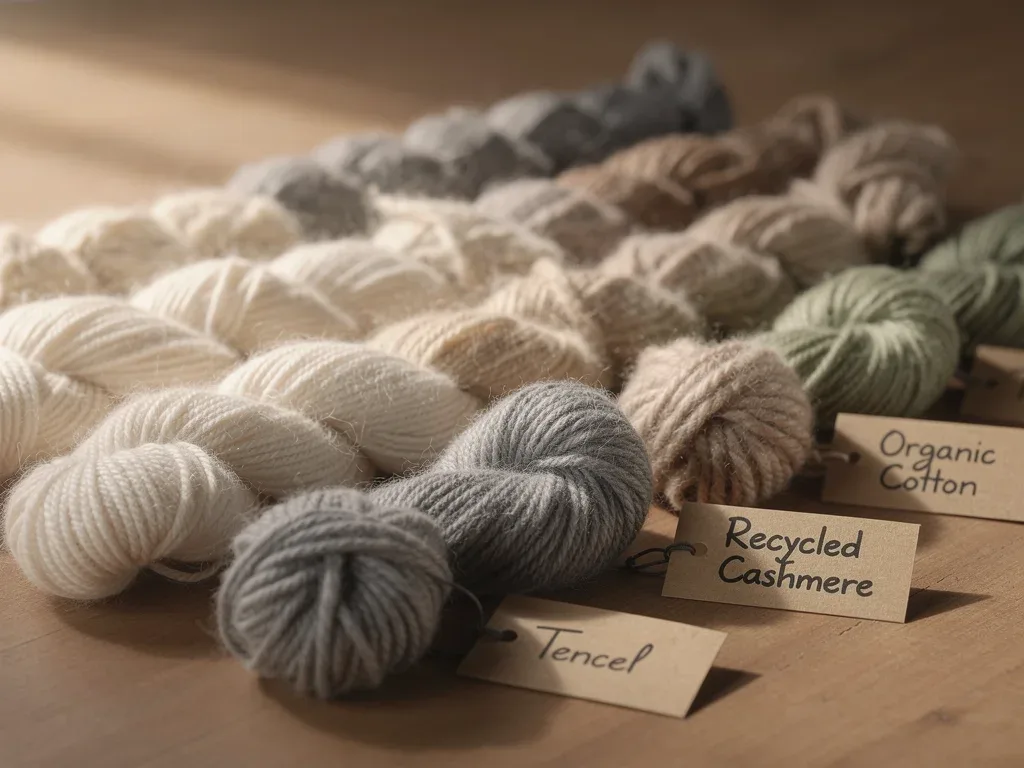
Luxury Applications and Consumer Appeal
In luxury knitwear, organic cotton is prized for its exceptional softness, durability, and versatility. It provides a comfortable and breathable foundation for a variety of garments, from everyday essentials to sophisticated layering pieces. Its natural fibers allow for excellent dye absorption, resulting in rich, vibrant colors that are long-lasting.
Consumers are increasingly seeking out organic cotton for its inherent comfort and its alignment with a conscious lifestyle. The knowledge that a garment is produced without harmful chemicals resonates deeply with individuals who prioritize health and environmental responsibility, making it a premium choice.
Luxury brands leverage the clean aesthetic and ethical credentials of organic cotton to create collections that are both visually appealing and morally sound, reinforcing their commitment to sustainability. This material is a cornerstone of the ongoing sustainable knitwear shifts.
Innovations in Yarn Blending and Textile Technology
The landscape of luxury knitwear is continually evolving through innovations in yarn blending and advanced textile technologies. Designers and manufacturers are experimenting with combining low-impact yarns like Tencel, recycled cashmere, and organic cotton with other sustainable fibers to enhance performance, texture, and aesthetic appeal.
These blends often result in fabrics that offer the best attributes of each component, creating unique materials that are both luxurious and environmentally responsible.
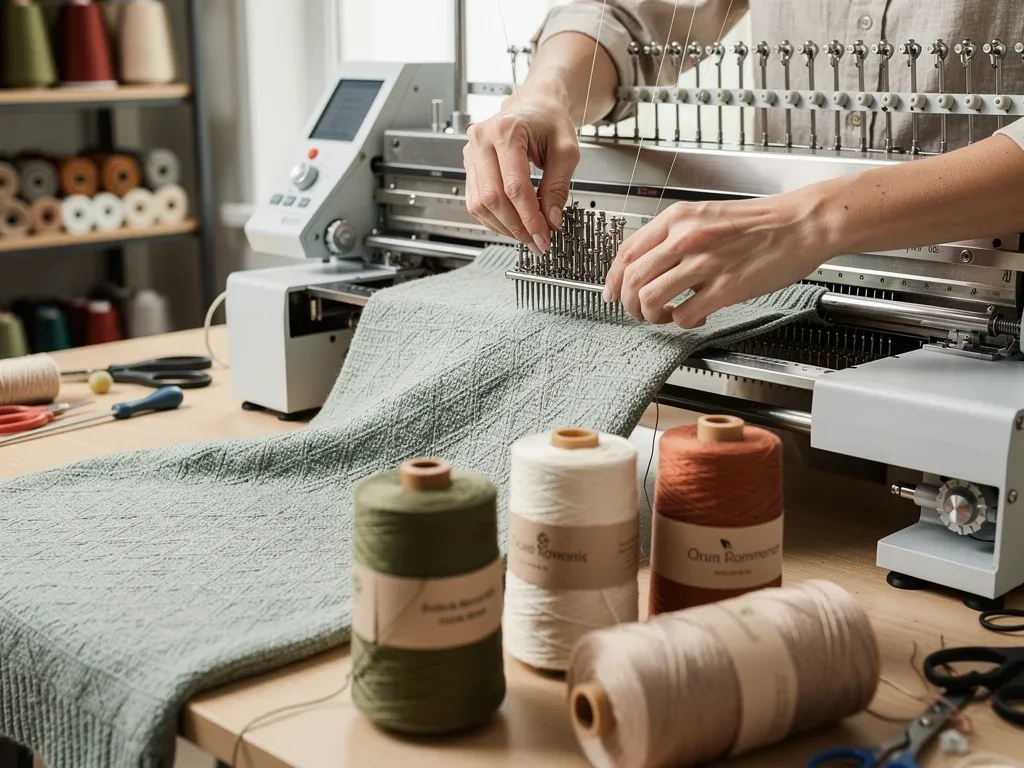
Technological advancements in knitting and finishing processes also contribute significantly to the sustainability of knitwear. New machinery and techniques are optimizing resource usage, reducing waste, and enabling the creation of intricate designs with greater efficiency. This integration of material innovation and technological progress is crucial for advancing sustainable knitwear shifts.
Furthermore, research into bio-based dyes and eco-friendly finishing treatments is further minimizing the environmental footprint of knitwear production. These innovations ensure that the entire lifecycle of a garment, from fiber to finish, adheres to the highest standards of sustainability, redefining what constitutes luxury in the modern era.
The Role of Certification and Transparency
In the evolving market of sustainable luxury knitwear, certification and transparency play an indispensable role in building consumer trust and validating environmental claims.
Reputable certifications, such as the Global Organic Textile Standard (GOTS) for organic cotton, the Global Recycle Standard (GRS) for recycled materials, and the Tencel brand's own eco-labeling, provide independent verification of a product's sustainable attributes.
These certifications ensure that materials are sourced and processed according to strict environmental and social criteria, offering consumers the assurance that their purchases align with their values. For brands, obtaining these certifications not only demonstrates commitment to sustainability but also provides a competitive edge in a crowded market.
Transparency throughout the supply chain, from fiber origin to final garment production, is becoming a non-negotiable aspect of luxury fashion. Brands that openly communicate their processes and ethical practices are fostering deeper connections with their clientele, driving further sustainable knitwear shifts.
Building Consumer Trust with Certifications
Certifications serve as a critical tool for consumers navigating the complex world of sustainable fashion, offering clear indicators of a product's environmental and ethical integrity. These third-party validations cut through greenwashing, providing credible evidence that a garment meets specific sustainability benchmarks.
For instance, GOTS certification for organic cotton ensures that the entire textile supply chain adheres to strict ecological and social criteria, from harvesting to manufacturing. Similarly, GRS certification for recycled cashmere verifies the recycled content of products and responsible social, environmental, and chemical practices in their production.
By prominently featuring these certifications, luxury brands empower consumers to make informed choices, reinforcing trust and loyalty. This transparency is paramount for the continued success of sustainable knitwear shifts.
GOTS for organic cotton ensures ecological and social standards.
GRS verifies recycled content and responsible production practices.
Eco-labels provide independent validation of sustainable claims.
Certifications build trust and combat greenwashing in the industry.
The Importance of Supply Chain Transparency
Supply chain transparency is increasingly becoming a hallmark of true luxury and sustainability in the fashion industry. Consumers are no longer satisfied with vague claims; they demand to know the origin of their materials, the conditions under which they were produced, and the environmental impact of their purchases.
Brands that invest in transparent supply chains, utilizing technologies like blockchain to track materials from farm to finished product, are setting new standards for accountability. This level of detail allows consumers to understand the full story behind their garments, fostering a deeper appreciation for their ethical value.
By opening up their supply chains, luxury brands not only demonstrate their commitment to responsible practices but also inspire confidence and loyalty among a growing segment of conscious consumers. This push for transparency is accelerating sustainable knitwear shifts.
Redefining Luxury Aesthetics for Winter
The integration of low-impact yarns is not just about sustainability; it is fundamentally redefining the aesthetics of luxury winter wear. Designers are embracing the unique textures, drapes, and natural color palettes offered by materials like Tencel, recycled cashmere, and organic cotton to create garments that are both elegant and inherently modern.
The focus has shifted towards understated luxury, where the quality of the material and the integrity of its production are as valued as the design itself.
This new aesthetic emphasizes timelessness and durability over fleeting trends, encouraging consumers to invest in pieces that are built to last and have a minimal environmental impact. The soft hand-feel, breathability, and sophisticated appearance of these sustainable yarns are elevating winter collections to new heights of conscious elegance.
The result is a collection of knitwear that feels luxurious, performs exceptionally, and tells a compelling story of environmental responsibility, marking a significant evolution in luxury fashion. These developments are central to the ongoing sustainable knitwear shifts.
Consumer Demand Driving Sustainable Knitwear Shifts
Consumer demand is a pivotal force driving the widespread adoption of sustainable practices and materials in the luxury knitwear market. A growing segment of the population, particularly younger demographics, is increasingly prioritizing ethical and environmental considerations in their purchasing decisions.
This shift in consumer values is compelling brands to re-evaluate their entire production processes, from sourcing raw materials to manufacturing and distribution.
Informed consumers are actively seeking out brands that offer transparency, use certified sustainable materials, and demonstrate a genuine commitment to reducing their ecological footprint.
Social media and online platforms have also amplified awareness, allowing consumers to research and share information about sustainable practices, further influencing market trends.
As a result, luxury brands that successfully integrate low-impact yarns like Tencel, recycled cashmere, and organic cotton into their collections are not only meeting existing demand but also shaping future consumer expectations for high-end fashion. These consumer-driven changes are crucial for sustainable knitwear shifts.
The Future of Luxury Knitwear: Innovation and Responsibility
The future of luxury knitwear is inextricably linked to ongoing innovation and a deepened commitment to environmental and social responsibility. As the fashion industry continues its journey towards greater sustainability, we can anticipate further advancements in textile science, leading to the development of even more eco-friendly and high-performance yarns.
Research into new bio-based materials, regenerative agriculture practices for natural fibers, and advanced recycling technologies will play a critical role in shaping what comes next.
The integration of digital tools, such as 3D design and virtual prototyping, will also minimize waste in the design and production phases, further enhancing the sustainability credentials of luxury brands.
These technological innovations, combined with a steadfast dedication to ethical production, will ensure that luxury knitwear remains at the forefront of responsible fashion.
Ultimately, the trajectory of luxury knitwear points towards a future where exquisite craftsmanship and environmental stewardship are not mutually exclusive but rather intrinsic components of true luxury. The continued focus on sustainable knitwear shifts promises a more ethical and beautiful industry.
Key Material | Sustainable Impact |
|---|---|
Tencel | Closed-loop production, sustainably sourced wood pulp. |
Recycled Cashmere | Reduces waste, lowers demand for virgin resources. |
Organic Cotton | No harmful pesticides, promotes soil health, conserves water. |
Overall Shift | Redefining luxury through ethical sourcing and eco-conscious production. |
Frequently Asked Questions About Sustainable Knitwear Shifts
What defines a low-impact yarn in luxury knitwear?▼
A low-impact yarn is defined by its minimal environmental footprint throughout its lifecycle, from raw material sourcing to production and disposal. This includes factors like reduced water and energy consumption, absence of harmful chemicals, and sustainable land management practices, all contributing to sustainable knitwear shifts.
How do Tencel, recycled cashmere, and organic cotton compare in sustainability?▼
Tencel uses a closed-loop system for production. Recycled cashmere significantly reduces waste and resource use by repurposing existing fibers. Organic cotton eliminates harmful pesticides and promotes ecological farming. Each contributes uniquely to sustainable knitwear shifts, offering distinct benefits.
Are sustainable luxury knitwear products as durable as traditional ones?▼
Yes, sustainable luxury knitwear can be equally, if not more, durable than traditional alternatives. Materials like Tencel and recycled cashmere are engineered for longevity and resilience. Organic cotton also offers robust quality, ensuring that ethical choices do not compromise product lifespan, supporting sustainable knitwear shifts.
What role do certifications play in sustainable knitwear?▼
Certifications like GOTS and GRS provide independent verification of sustainable practices, assuring consumers of a product's environmental and social integrity. They build trust, reduce greenwashing, and push brands towards higher standards, which is vital for authentic sustainable knitwear shifts in the industry.
How can consumers identify truly sustainable luxury knitwear?▼
Consumers should look for reputable certifications, transparency in the supply chain, and clear information about material sourcing and production processes. Brands committed to sustainability will openly share these details, helping you make informed choices that support genuine sustainable knitwear shifts in fashion.
Impact and Implications
The embrace of Tencel, recycled cashmere, and organic cotton signifies a profound redefinition of luxury winter aesthetics, moving beyond mere opulence to encompass environmental and ethical responsibility.
This shift reflects a growing consumer consciousness that demands more from high-end fashion, driving brands to innovate and integrate sustainable practices at every level.
The implications are far-reaching, setting new industry benchmarks for material sourcing, production transparency, and circular design principles.
As these sustainable knitwear shifts continue, the future of luxury will increasingly be characterized by its commitment to both exquisite quality and ecological integrity, shaping purchasing decisions and inspiring further textile advancements.