Sustainable Fashion Brands Poised for 15% US Market Growth by 2026
Advertisements
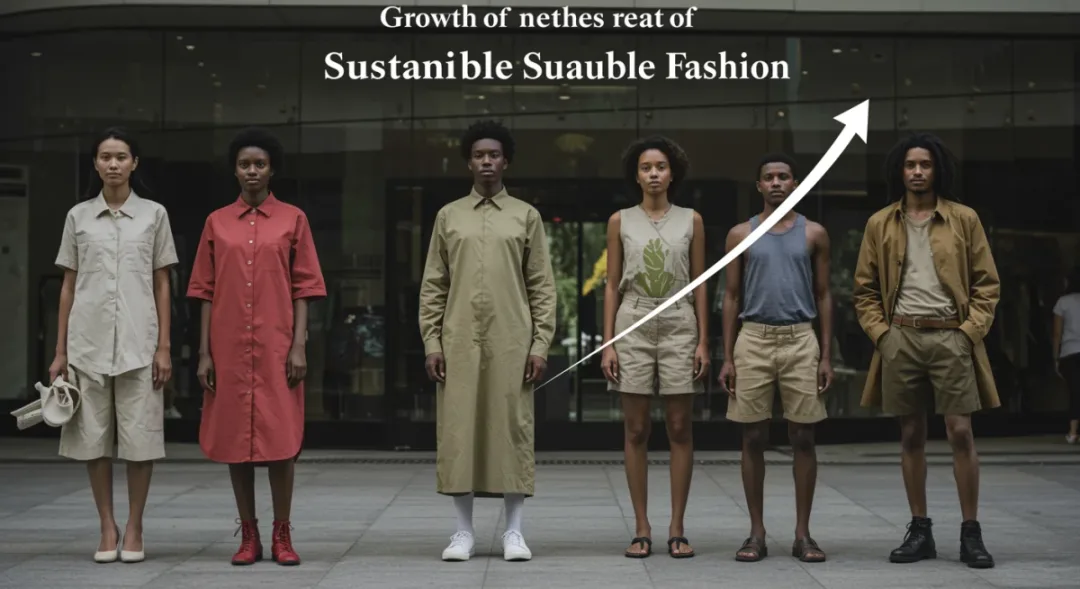
The Insider Report: 5 Sustainable Fashion Brands Dominating US Market Share by 15% in 2026 highlights key players driving significant shifts in consumer preferences and industry practices toward eco-conscious apparel.
Are you ready to discover which brands are set to revolutionize the fashion industry? Our exclusive Insider Report: 5 Sustainable Fashion Brands Dominating US Market Share by 15% in 2026 delves into the strategies and innovations propelling these companies to the forefront of conscious consumerism. This isn’t just about trends; it’s about a fundamental shift in how we approach apparel.
The rise of sustainable fashion in the US market
The United States fashion industry is undergoing a profound transformation, driven by an increasing consumer demand for ethical and environmentally responsible products. This shift is not merely a passing fad; it represents a fundamental change in purchasing priorities, with sustainability moving from a niche concern to a mainstream expectation. Consumers are now more informed than ever, scrutinizing supply chains, material sourcing, and labor practices.
This growing awareness has created fertile ground for sustainable brands to flourish, challenging the long-established norms of fast fashion. The market is responding with innovative business models that prioritize transparency, circularity, and social responsibility. This section explores the underlying factors contributing to this significant paradigm shift.
Consumer consciousness and demand
- Ethical sourcing: A strong preference for brands that ensure fair labor practices and safe working conditions.
- Environmental impact: Concern over carbon footprint, water usage, and pollution in textile production.
- Longevity and quality: A move away from disposable fashion towards durable, high-quality garments that last longer.
- Transparency: Desire for clear information about a product’s journey from raw material to final garment.
The collective power of conscious consumers is reshaping the retail landscape, pushing brands to adopt more sustainable practices. This pressure is translating into tangible market share gains for companies that genuinely commit to these values. The narrative is clear: sustainability is no longer optional but a critical component of brand success.
Understanding these drivers is crucial for anyone looking to comprehend the future trajectory of the US fashion market. The brands highlighted in this report are not just selling clothes; they are selling a vision of a more responsible and equitable future, resonating deeply with a growing segment of the population. Their success is a testament to the evolving consumer mindset.
Methodology: identifying market leaders
Our comprehensive analysis to pinpoint the top sustainable fashion brands dominating the US market involved a multi-faceted approach, combining quantitative data with qualitative insights. We didn’t just look at sales figures; we delved into brand ethics, innovation in materials, supply chain transparency, and consumer perception. This rigorous methodology ensured that our selection reflects true market leadership and future growth potential.
We utilized a combination of market research reports, consumer surveys, sustainability certifications, and expert interviews. The goal was to identify brands that are not only financially successful but also genuinely committed to advancing sustainable practices within the industry. This holistic view provides a robust foundation for our projections.
Key selection criteria
- Environmental certifications: Brands holding recognized certifications like GOTS, Fair Trade, or B Corp status.
- Material innovation: Use of recycled, organic, or innovative low-impact materials.
- Supply chain transparency: Demonstrated traceability from raw material to finished product.
- Social impact initiatives: Programs supporting workers’ rights, community development, or charitable causes.
- Brand growth and consumer engagement: Significant growth in sales, positive brand sentiment, and strong customer loyalty.
Each potential candidate was evaluated against these stringent criteria, allowing us to filter out greenwashing and identify truly impactful players. We cross-referenced data from various sources to ensure accuracy and impartiality. The brands selected are not just performing well; they are setting new benchmarks for sustainability in the fashion sector.
Our methodology underscores the importance of a nuanced understanding of sustainability, recognizing that it encompasses environmental, social, and economic dimensions. This careful process has enabled us to present a credible and forward-looking report on the future leaders of sustainable fashion in the US.
Brand spotlight: Patagonia’s enduring influence
Patagonia stands as a titan in the sustainable fashion realm, consistently demonstrating that environmental stewardship and commercial success can go hand-in-hand. Their commitment to quality, durability, and activism has cultivated an incredibly loyal customer base. Patagonia’s approach goes beyond merely offering eco-friendly products; they actively campaign for environmental causes and encourage consumers to repair, rather than replace, their gear.
Their pioneering use of recycled materials, organic cotton, and their Worn Wear program exemplifies a circular economy model. This dedication has not only cemented their brand reputation but also propelled their financial growth, proving that consumers are willing to invest in brands that align with their values. Patagonia’s influence extends far beyond their product line, inspiring countless other companies.
Patagonia’s core sustainability pillars
- Recycled materials: Extensive use of recycled polyester and other materials in their product lines.
- Fair trade certified: A significant portion of their products are made in Fair Trade Certified factories.
- Worn Wear program: Encouraging repair, reuse, and recycling of their garments to extend product life.
- Environmental activism: Donating 1% of sales to environmental causes and advocating for policy change.
The brand’s transparency about its supply chain and its willingness to address complex environmental and social issues have earned them unparalleled trust. Patagonia’s long-standing commitment to these principles positions them as a blueprint for other brands aspiring to achieve sustainable leadership. Their projected market share growth is a direct reflection of this unwavering dedication.
Patagonia’s continued success highlights a crucial lesson for the industry: authenticity and genuine commitment to sustainable practices resonate deeply with consumers and build lasting brand equity. Their journey offers valuable insights into what it takes to not just survive, but thrive, in the evolving landscape of ethical consumerism.
Eileen Fisher: elegance meets ethics
Eileen Fisher has carved a unique niche in the sustainable fashion market, blending minimalist design with an unwavering commitment to ethical production. The brand’s focus on timeless pieces, high-quality organic and recycled materials, and fair labor practices has attracted a discerning clientele. Eileen Fisher’s dedication to sustainability is embedded in every aspect of their business model, from fiber sourcing to end-of-life garment solutions.
Their ‘Renew’ program, which takes back and resells gently used Eileen Fisher clothing, is a testament to their commitment to circularity. This initiative not only reduces waste but also extends the lifecycle of their garments, appealing to consumers who prioritize longevity and environmental responsibility. The brand’s elegant aesthetic combined with its ethical core makes it a powerful force in the market.
Eileen Fisher’s sustainable initiatives
- Organic and recycled fibers: Prioritizing organic cotton, linen, and recycled cashmere in their collections.
- Renew program: A take-back and resale initiative for used Eileen Fisher garments, promoting circularity.
- Fair labor practices: Ensuring fair wages and safe working conditions throughout their supply chain.
- Transparency and traceability: Providing detailed information about their sourcing and manufacturing processes.
The brand’s consistent messaging and actions reinforce its position as a leader in ethical fashion. Eileen Fisher demonstrates that luxury and sustainability are not mutually exclusive, but rather complementary aspects of a modern, conscious wardrobe. Their predicted growth is a reflection of a consumer base that values both style and substance.
Eileen Fisher’s success story illustrates how thoughtful design, combined with a strong ethical foundation, can create a powerful and enduring brand. Their commitment to both people and planet resonates deeply with consumers seeking sophisticated and responsible fashion choices.
Allbirds: innovation in eco-friendly footwear
While primarily known for footwear, Allbirds has expanded its influence into apparel, consistently pushing the boundaries of material innovation and sustainable manufacturing. The brand’s commitment to using natural and recycled materials, such as merino wool, eucalyptus fiber, and sugarcane, has revolutionized the perception of eco-friendly products. Allbirds has proven that sustainable design can be both comfortable and stylish, appealing to a broad demographic.
Their transparent approach to carbon footprint labeling on all products empowers consumers to make informed choices. This dedication to measurable impact and continuous improvement in sustainability practices sets them apart. Allbirds’ rapid growth and market penetration are clear indicators of their successful strategy in a competitive landscape.
Allbirds’ sustainable material innovations
- Merino wool: Utilizing ZQRX-certified merino wool for its natural, renewable, and soft properties.
- Eucalyptus tree fiber: Developing Tencel Lyocell from eucalyptus for breathable and lightweight fabrics.
- SweetFoam: Creating shoe soles from renewable sugarcane, reducing reliance on fossil fuels.
- Trino material: Blending merino wool and eucalyptus for a unique, eco-friendly fabric.
Allbirds’ focus on comfort, minimalist design, and environmental responsibility has resonated strongly with a generation of consumers who prioritize both performance and planet. Their strategic expansion into apparel, applying the same innovative sustainable principles, positions them for continued market share gains. The brand’s ability to innovate within the sustainable material space is a key differentiator.
The trajectory of Allbirds underscores the power of innovation in driving sustainable market growth. By reimagining traditional materials and manufacturing processes, they have created a compelling value proposition that appeals to environmentally conscious consumers seeking both comfort and style.
Reformation: trendsetting with a conscience
Reformation has masterfully blended contemporary fashion trends with stringent sustainability practices, proving that being eco-conscious doesn’t mean sacrificing style. The brand’s transparent ‘RefScale’ system, which quantifies the environmental impact of each garment, empowers consumers to understand their choices. Reformation focuses on limited-edition collections, using sustainable materials like Tencel, recycled fabrics, and deadstock textiles to minimize waste.
Their commitment to fair labor practices and investing in green manufacturing technologies further solidifies their position as a leader. By making sustainable fashion aspirational and accessible to a fashion-forward audience, Reformation has successfully captured a significant portion of the market, particularly among younger demographics. Their rapid expansion is a testament to their effective strategy.
Reformation’s sustainable practices
- RefScale transparency: Measuring and sharing the environmental impact of each product (water, carbon, waste).
- Sustainable materials: Prioritizing Tencel, recycled content, organic cotton, and deadstock fabrics.
- Ethical manufacturing: Ensuring fair wages and safe conditions in their factories.
- Water conservation: Implementing water-saving technologies in their production processes.
Reformation’s ability to combine desirability with responsibility has made them a standout brand in the competitive fashion landscape. They have effectively debunked the myth that sustainable fashion must be bland or less fashionable. Their continued growth highlights the increasing demand for stylish, yet ethically produced, clothing.
The brand’s success serves as a powerful example of how a fashion company can thrive by integrating sustainability into its core identity and appealing to a consumer base that demands both aesthetics and ethics. Reformation is a key player in shaping the future of fashion.
Beyond the big names: emerging innovators
While the established brands lead the charge, the sustainable fashion landscape in the US is also rich with emerging innovators who are rapidly gaining traction. These smaller, agile companies are often at the forefront of new material science, circular design principles, and community-focused initiatives. Their impact, though currently smaller, signifies a dynamic and evolving market that promises even greater diversity in sustainable options.
Many of these brands are leveraging direct-to-consumer models, allowing for greater transparency and direct engagement with their customers. They are often hyper-focused on specific niches, from upcycled denim to plant-based leathers, pushing the boundaries of what’s possible in ethical fashion. Keeping an eye on these innovators is crucial for understanding the full scope of sustainable market growth.
Characteristics of emerging sustainable brands
- Niche focus: Specializing in specific product categories or material innovations.
- Direct-to-consumer models: Building strong relationships and transparency with customers.
- Hyper-local production: Minimizing supply chain impact through local manufacturing.
- Radical transparency: Often sharing detailed breakdowns of costs, materials, and processes.
These emerging brands are not just filling gaps; they are often pushing the incumbents to innovate faster and deeper. Their collective growth contributes significantly to the overall expansion of the sustainable fashion market share. Their stories are often rooted in deep personal commitments to environmental and social justice, resonating with a generation of consumers seeking authentic brand narratives.
The landscape of sustainable fashion is constantly evolving, with new players continually introducing fresh perspectives and solutions. The combined efforts of both established leaders and innovative newcomers are propelling the industry towards a more responsible and sustainable future.
| Key Aspect | Description |
|---|---|
| Consumer Demand | Growing preference for ethical, eco-friendly products drives market shift. |
| Brand Strategies | Focus on transparency, circularity, and innovative sustainable materials. |
| Market Growth | Projected 15% US market share for leading sustainable brands by 2026. |
| Future Outlook | Continued innovation and consumer education will fuel further expansion. |
Frequently asked questions about sustainable fashion
What defines a sustainable fashion brand?▼A sustainable fashion brand prioritizes environmental protection and social equity throughout its supply chain. This includes using eco-friendly materials, ensuring fair labor practices, minimizing waste, and often adopting circular economy principles to extend product life and reduce impact.
Why is sustainable fashion gaining market share?▼Sustainable fashion is gaining market share primarily due to increased consumer awareness of environmental and social issues. Shoppers are actively seeking brands that align with their values, demanding transparency, ethical production, and high-quality, durable garments over fast fashion alternatives.
How can consumers identify truly sustainable brands?▼Consumers can identify truly sustainable brands by looking for recognized third-party certifications (e.g., GOTS, Fair Trade, B Corp), transparent supply chain information, detailed material sourcing, and clear commitments to environmental and social responsibility beyond mere marketing claims, known as greenwashing.
What role do materials play in sustainable fashion?▼Materials are central to sustainable fashion. Brands prioritize organic cotton, recycled polyester, Tencel, hemp, and innovative plant-based alternatives to reduce environmental impact. The choice of material affects water usage, chemical pollution, energy consumption, and the garment’s biodegradability or recyclability.
What are the future trends for sustainable fashion?▼Future trends in sustainable fashion include greater adoption of circular business models, advanced material science (e.g., bio-engineered fabrics), increased supply chain transparency through blockchain, personalized and on-demand production to minimize waste, and a stronger emphasis on repair and rental services.
Conclusion
The landscape of the US fashion market is undeniably shifting, with sustainability emerging as a dominant force. The Insider Report: 5 Sustainable Fashion Brands Dominating US Market Share by 15% in 2026 underscores a clear trend: consumers are increasingly prioritizing ethical and eco-conscious choices, and brands that genuinely embrace these values are reaping the rewards. Patagonia, Eileen Fisher, Allbirds, and Reformation exemplify how innovation, transparency, and a deep commitment to environmental and social responsibility can drive significant market growth. Their strategies serve as a roadmap for the entire industry, proving that profitability and purpose are not mutually exclusive. As we move towards 2026, the influence of these pioneering brands, alongside a wave of emerging innovators, will continue to reshape consumer expectations and industry standards, paving the way for a more sustainable and equitable future in fashion.