Mindful Living: 3 Trends for Your 2026 Daily Routine
Advertisements
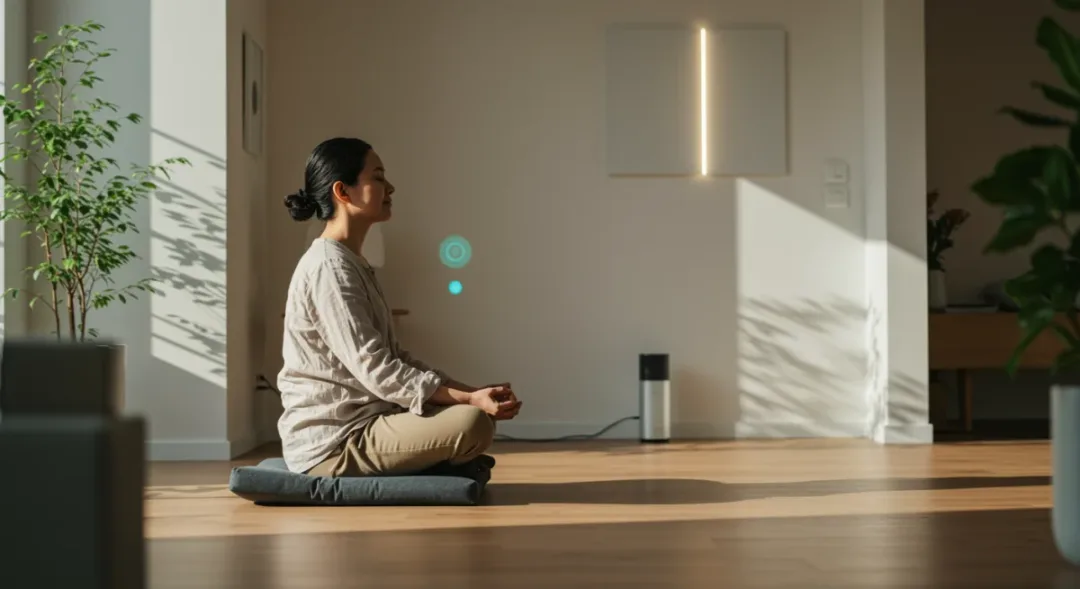
The latest mindful living trends for early 2026 focus on integrating technology for enhanced well-being, embracing cyclical living, and fostering digital minimalism to elevate daily routines by 20%.
Are you ready to discover the latest in mindful living: 3 trends from early 2026 to elevate your daily routine by 20%? In a world constantly accelerating, finding moments of peace and intentionality has become more crucial than ever. This guide delves into the forefront of mindful practices, offering actionable insights to transform your everyday life into a more focused, balanced, and enriching experience.
The rise of AI-powered personalized mindfulness
In early 2026, the integration of artificial intelligence into personal wellness routines has moved beyond novelty, becoming a cornerstone of mindful living. This trend leverages sophisticated algorithms to tailor mindfulness practices to individual needs, addressing specific stressors and goals with unprecedented precision. Instead of generic meditation apps, users now interact with AI companions that learn their emotional patterns, daily schedules, and even physiological responses to create truly personalized experiences.
This personalized approach significantly enhances the effectiveness of mindful practices. Imagine an AI that suggests a five-minute breathwork exercise precisely when your calendar indicates a high-stress meeting, or a guided meditation that adapts its narrative based on your real-time heart rate data. This level of customization ensures that mindfulness isn’t just a practice but a seamlessly integrated, responsive element of your daily life.
Adaptive meditation programs
AI-driven platforms are now capable of adjusting meditation sessions based on user input, biofeedback, and even environmental factors. This means a program can shift from a focus on anxiety reduction to enhancing creativity, all in real-time.
- Real-time biofeedback integration: Wearable devices feed data like heart rate variability and skin conductance into AI algorithms, which then modify meditation pace or focus.
- Contextual recommendations: AI analyzes your daily schedule, location, and even local weather to suggest the most beneficial mindful activity for that specific moment.
- Emotional intelligence: Advanced natural language processing allows AI to understand and respond to user-expressed emotions, offering targeted support.
The beauty of AI-powered personalized mindfulness lies in its ability to meet you exactly where you are, fostering a deeper connection to the practice and making it more accessible and sustainable. This technological leap removes many barriers to consistent mindful engagement, allowing more individuals to experience the profound benefits of a tailored approach.
Benefits for mental well-being
The precision offered by AI in mindfulness practices translates directly into tangible benefits for mental health. Users report higher rates of adherence to their mindful routines and a more profound sense of calm and clarity.
- Reduced cognitive load: AI handles the decision-making process of choosing the ‘right’ practice, freeing up mental energy.
- Enhanced self-awareness: Through personalized feedback and insights, users gain a deeper understanding of their own emotional and psychological landscape.
- Improved stress resilience: Regular, tailored practice helps build coping mechanisms for daily stressors, leading to greater emotional stability.
Ultimately, AI-powered personalized mindfulness isn’t about replacing human connection or intuition, but about augmenting our capacity for self-care. It provides a sophisticated toolset that empowers individuals to cultivate a more resilient, peaceful, and ultimately, a more mindful existence in the face of modern challenges.
Cyclical living: harmonizing with natural rhythms
Beyond the tech-infused advancements, early 2026 also sees a significant resurgence in cyclical living, a mindful approach that encourages individuals to realign their daily routines with the natural rhythms of nature and their own bodies. This trend moves away from linear, always-on productivity models towards a more sustainable and intuitive way of life. It acknowledges that human energy, focus, and creativity naturally ebb and flow, much like the seasons or the lunar cycle.
Embracing cyclical living means recognizing these inherent patterns and structuring activities accordingly. For instance, periods of high energy might be dedicated to intense creative work or social engagement, while lower energy phases are reserved for reflection, rest, and administrative tasks. This isn’t about rigid adherence but about gentle attunement, fostering a healthier relationship with personal capacity and avoiding burnout.
Integrating seasonal and lunar cycles
A core aspect of cyclical living involves observing and drawing inspiration from the larger natural cycles that govern our planet. The changing seasons, the waxing and waning of the moon, and even the daily cycle of light and darkness offer powerful frameworks for structuring our lives.
- Seasonal alignment: Adapting diet, exercise, and social activities to match the energy of each season, e.g., more outward activity in summer, more introspection in winter.
- Lunar rhythm awareness: Using the lunar cycle to guide intentions, setting goals during the new moon and releasing what no longer serves during the full moon.
- Daily circadian rhythm optimization: Structuring work, rest, and eating patterns to align with the body’s natural sleep-wake cycle for optimal energy and health.
This deep connection to natural rhythms helps to ground individuals, fostering a sense of belonging and reducing the feeling of being constantly out of sync with one’s own needs. It encourages a more intuitive decision-making process, replacing external pressures with internal guidance.
Body-based awareness and intuition
At the heart of cyclical living is a profound emphasis on listening to one’s body and cultivating intuition. This involves paying close attention to physical sensations, emotional states, and energy levels as valuable indicators for how to best spend one’s time and energy.
- Intuitive eating: Honoring hunger and fullness cues, and choosing foods that nourish the body based on its current needs.
- Movement that feels good: Opting for exercise that supports current energy levels and physical condition, rather than rigidly adhering to demanding routines.
- Rest as a priority: Recognizing and respecting the body’s need for rest and recovery, without guilt or shame, as a vital part of productivity.
By tuning into these subtle signals, individuals can move through their days with greater ease and authenticity, creating a routine that feels less like a chore and more like a dance with their own inherent wisdom. Cyclical living offers a powerful antidote to the relentless pace of modern life, inviting a gentler, more sustainable path to well-being.
Digital minimalism and mindful technology use
In an increasingly connected world, the third significant trend in mindful living trends for early 2026 is a conscious pivot towards digital minimalism and more intentional technology use. This isn’t about abandoning technology altogether, but rather about critically evaluating its role in our lives and curating our digital environments to serve our well-being, rather than detract from it. The goal is to reclaim focus, reduce digital overload, and foster genuine connection.
Digital minimalism encourages us to ask a fundamental question: ‘Does this technology truly add value to my life, or is it merely a distraction?’ By intentionally pruning digital clutter and setting clear boundaries, individuals can create more space for deep work, meaningful relationships, and genuine self-reflection. This trend recognizes that while technology offers incredible benefits, unchecked use can lead to anxiety, comparison, and a pervasive sense of being overwhelmed.
Curating your digital environment
A key aspect of digital minimalism involves a proactive approach to shaping the digital tools and platforms we engage with. This goes beyond simply turning off notifications; it’s about a fundamental redesign of our digital interaction.
- App audits: Regularly reviewing and deleting apps that don’t serve a clear purpose or enrich your life, focusing on quality over quantity.
- Notification control: Implementing strict notification settings, allowing only essential alerts from a select few applications.
- Focused usage windows: Designating specific times for checking emails, social media, or news, rather than allowing constant interruption.
By taking control of our digital environment, we reduce the constant barrage of information and demands on our attention, thereby freeing up mental bandwidth for more intentional and fulfilling activities. This conscious curation transforms technology from a potential source of stress into a tool that genuinely supports our goals.
Mindful engagement with social media
Social media, while offering avenues for connection, is often a major culprit in digital overload. Mindful technology use within this context means engaging with platforms intentionally and critically, rather than passively consuming content.
- Follow for inspiration, not comparison: Curating feeds to include content that genuinely uplifts, educates, or entertains, rather than triggers feelings of inadequacy.
- Time-limited sessions: Using timers or app blockers to limit daily social media consumption, preventing endless scrolling.
- Conscious posting: Reflecting on the intention behind each post and interaction, ensuring it contributes positively to online discourse.
This approach transforms social media from a time sink into a more constructive platform for connection and learning. It emphasizes quality of interaction over quantity of engagement, fostering a healthier digital self.
The benefits of digital detoxes
Periodically stepping away from digital devices entirely is another powerful component of mindful technology use. These ‘digital detoxes’ can range from a few hours to several days, offering a crucial reset for the mind and body.
- Improved focus and concentration: Without constant digital interruptions, the brain can recalibrate and regain its capacity for sustained attention.
- Enhanced real-world connections: More presence in face-to-face interactions and a greater appreciation for immediate surroundings.
- Reduced anxiety and stress: Stepping away from the demands of the digital world can significantly lower feelings of overwhelm and pressure.
By intentionally disconnecting, we create space for deeper thought, creativity, and connection with ourselves and the physical world. Digital minimalism and mindful technology use are not about deprivation, but about liberation – freeing ourselves from the tyranny of constant connectivity to live more purposefully.
Integrating mindful practices into a busy schedule
One of the biggest perceived challenges to adopting mindful living trends is the notion that one must have ample free time. However, the true essence of mindful living, especially as understood in early 2026, lies in integrating small, impactful practices seamlessly into an already busy schedule. This isn’t about adding more to your plate, but rather about transforming existing activities into opportunities for mindfulness. It’s about quality of attention, not quantity of time.
Even a few minutes of intentional presence can significantly shift your state of mind and elevate your daily routine. The key is consistency and finding what resonates with your personal rhythm and lifestyle. The goal is to cultivate a mindful disposition that permeates all aspects of your day, rather than confining it to a specific meditation session.
Micro-mindfulness moments
Micro-mindfulness involves brief, intentional pauses throughout the day to bring awareness to the present moment. These can be integrated into almost any activity, making mindfulness accessible to everyone, regardless of how packed their schedule might be.
- Mindful breathing breaks: Taking three deep, conscious breaths before starting a new task or after completing one.
- Sensory awareness during daily tasks: Fully engaging your senses while drinking coffee, walking, or washing dishes – noticing the temperature, sounds, smells, and textures.
- One-minute gratitude reflections: Pausing to identify one thing you are grateful for, even amidst chaos, for sixty seconds.
These small acts accumulate over time, retraining the brain to be more present and less reactive. They serve as valuable anchors in a frenetic day, preventing the feeling of being swept away by external demands and fostering a sense of inner control.
Batching and intentional scheduling
Another effective strategy for integrating mindful practices is through intentional scheduling and the concept of ‘batching’ similar tasks. This approach minimizes context switching and creates dedicated blocks of time for focused work and equally dedicated blocks for mindful breaks or self-care.
- Dedicated focus blocks: Scheduling uninterrupted periods for deep work, free from notifications and distractions.
- Mindful transition rituals: Creating small rituals to mark the end of one activity and the beginning of another, such as a short stretch or a moment of silence.
- Batching digital tasks: Consolidating email checks, social media engagement, and message responses into specific, limited time slots.
By consciously structuring your day, you reduce the mental fatigue caused by constant shifts in attention. This allows for greater efficiency in work and more genuine presence in personal moments, ensuring that mindfulness isn’t an afterthought but an integral component of your productivity and well-being.
The role of community and connection in mindful living
While often perceived as an individual journey, the mindful living trends of early 2026 strongly emphasize the critical role of community and authentic connection. Beyond personal practice, fostering meaningful relationships and engaging with supportive groups amplifies the benefits of mindfulness and provides a vital network for growth and resilience. Humans are inherently social beings, and our well-being is deeply intertwined with the quality of our connections.
This trend highlights that mindful living isn’t just about internal peace, but also about how we interact with the world around us. It encourages conscious communication, empathetic listening, and the cultivation of environments that support collective well-being. In an era where digital interactions can sometimes feel isolating, prioritizing genuine, in-person or deeply intentional online connections becomes a powerful act of mindfulness.
Mindful communication practices
Engaging in mindful communication means approaching conversations with presence, empathy, and a genuine desire to understand, rather than merely respond. This practice strengthens relationships and reduces misunderstandings.
- Active listening: Giving full attention to the speaker, without interrupting or formulating a response, focusing on truly hearing their message.
- Empathetic responses: Attempting to understand and share the feelings of another, responding with compassion and validation.
- Conscious word choice: Speaking with intention, choosing words that are truthful, kind, and necessary, avoiding gossip or negativity.
By practicing mindful communication, individuals foster deeper trust and connection within their personal and professional lives, creating a more harmonious social environment. This deliberate approach elevates everyday interactions from superficial exchanges to opportunities for genuine human connection.
Building supportive mindful communities
The rise of intentional communities, both online and offline, dedicated to mindful living is a testament to the power of shared purpose. These groups provide a space for mutual support, shared learning, and collective growth.
- Local mindfulness groups: Participating in in-person meditation circles, yoga classes, or wellness workshops that offer shared experiences and accountability.
- Online mindful forums: Engaging with virtual communities that share resources, insights, and encouragement for maintaining mindful practices.
- Shared mindful activities: Organizing or participating in group activities like nature walks, silent retreats, or collaborative creative projects that foster presence and connection.
These communities serve as vital ecosystems for nurturing mindful habits. They offer a sense of belonging and remind individuals that they are not alone in their pursuit of a more intentional life. The collective energy and shared commitment within these groups can significantly bolster individual efforts.
Cultivating compassion and empathy
At its core, mindful living extends beyond self-awareness to encompass a broader sense of compassion and empathy for others. This outward focus enriches personal well-being and contributes to a more mindful society.
- Metta meditation: Practicing loving-kindness meditation, extending wishes of well-being to oneself, loved ones, neutral parties, and even those with whom one has difficulty.
- Volunteering and service: Engaging in acts of service that connect you with your community and allow you to contribute to a greater good.
- Random acts of kindness: Performing small, unexpected gestures of kindness that brighten someone else’s day and foster a sense of interconnectedness.
By consciously cultivating compassion and empathy, individuals not only deepen their own mindful practice but also contribute to a more caring and supportive world. This communal aspect of mindful living highlights that true well-being is often found in connection and contribution.
The long-term impact on personal well-being
Adopting the latest in mindful living: 3 trends from early 2026 to elevate your daily routine by 20% is not merely about temporary fixes, but about fostering profound and lasting changes in personal well-being. The consistent application of AI-powered personalized mindfulness, cyclical living, and digital minimalism creates a ripple effect that touches every aspect of an individual’s life. This holistic transformation moves beyond fleeting moments of calm to establish a foundational state of resilience, clarity, and genuine contentment.
The long-term impact is evident in improved physical health, enhanced emotional regulation, and a clearer sense of purpose. It shifts the paradigm from merely surviving daily challenges to thriving within them, equipping individuals with the tools to navigate life’s complexities with grace and presence. This commitment to mindful living isn’t a destination but an ongoing journey of self-discovery and conscious evolution.
Sustained mental clarity and focus
One of the most significant long-term benefits of consistent mindful practice is a remarkable improvement in mental clarity and the ability to maintain focus. The brain, much like a muscle, strengthens its capacity for attention with regular exercise.
- Reduced cognitive fog: Persistent mindfulness practices help to clear mental clutter, leading to sharper thinking and better decision-making.
- Enhanced concentration: The ability to sustain attention on a single task for longer periods, leading to increased productivity and deeper engagement.
- Improved memory retention: A mind that is less distracted and more present is better able to process and recall information.
This sustained mental acuity is invaluable in both personal and professional spheres, allowing individuals to approach challenges with greater insight and efficiency. It fosters a sense of intellectual vitality that permeates daily activities.
Emotional resilience and regulation
Mindful living cultivates a robust emotional resilience, enabling individuals to navigate life’s inevitable ups and downs with greater equanimity. Instead of being overwhelmed by emotions, practitioners learn to observe them without judgment and respond thoughtfully.
- Decreased reactivity: A greater pause between stimulus and response, allowing for conscious choice rather than impulsive reaction.
- Increased self-compassion: A kinder, more understanding relationship with one’s own emotional landscape, reducing self-criticism.
- Faster emotional recovery: The ability to bounce back from stressful or upsetting experiences more quickly and effectively.
This enhanced emotional intelligence contributes to more stable moods, healthier relationships, and an overall sense of inner peace, even amidst external turmoil. It transforms emotional challenges into opportunities for growth and deeper self-understanding.
A deeper sense of purpose and fulfillment
Perhaps the most profound long-term impact of mindful living is the cultivation of a deeper sense of purpose and fulfillment. By regularly tuning into their inner landscape and aligning with their values, individuals gain clarity on what truly matters to them.
- Values-aligned living: Making choices that are consistent with one’s core values, leading to a more authentic and satisfying life.
- Increased gratitude: A heightened appreciation for the simple joys and blessings in life, fostering a positive outlook.
- Meaningful contribution: A clearer understanding of how one can contribute positively to their community and the world, leading to a sense of significance.
This enduring sense of purpose provides a powerful compass, guiding individuals towards a life rich in meaning and personal satisfaction. The long-term adoption of mindful living trends is not just about feeling better, but about living better, more fully, and more authentically.
Practical steps for implementing 2026 mindful trends
Transitioning these mindful living trends into your daily routine by 20% requires practical, actionable steps. It’s not about making drastic, overnight changes, but rather about incrementally integrating new habits and perspectives. The key is to start small, be consistent, and adapt these trends to fit your unique lifestyle and preferences. Remember, the goal is enhancement, not overhaul. By approaching implementation with curiosity and self-compassion, you can gradually transform your daily experience.
Successful integration often begins with a self-assessment: where are you currently spending your time and energy? Which areas of your life could most benefit from a touch of mindfulness? From there, selecting one or two trends to focus on initially can prevent overwhelm and build momentum.
Starting with AI-powered mindfulness
For those looking to leverage technology, beginning with AI-powered mindfulness tools can be a straightforward entry point. Many platforms offer free trials or introductory modules.
- Explore reputable apps: Research and download one or two highly-rated AI mindfulness applications that offer personalized programs.
- Start with short sessions: Commit to just 5-10 minutes daily, allowing the AI to learn your patterns and preferences over time.
- Utilize biofeedback: If you have a wearable device, ensure it’s connected to maximize the personalized benefits of real-time data.
By engaging with these tools, you can experience firsthand how technology can support, rather than detract from, your mindful journey. The initial setup might take a moment, but the long-term benefits in personalized guidance are substantial.
Embracing cyclical living gradually
Integrating cyclical living can begin with simple observations and minor adjustments to your schedule. You don’t need to completely upend your life to start.
- Track your energy: Over a week, note down your energy levels at different times of the day and in relation to lunar cycles or seasons.
- Align one activity: Pick one daily activity, like exercise or creative work, and try to schedule it during your natural peak energy times.
- Prioritize rest: Consciously build in more rest and reflection during times when your energy naturally dips, such as evenings or during certain lunar phases.
This gentle approach allows you to attune to your body’s wisdom without feeling pressured, making the transition to a more cyclical lifestyle feel organic and sustainable. It’s about listening more closely to your internal compass.
Implementing digital minimalism strategies
Digital minimalism offers immediate and tangible benefits, making it an excellent starting point for many seeking more mindful living.
- One-hour digital detox: Start with a daily ‘digital-free’ hour, perhaps the first hour of your day or the last before bed.
- Notification sweep: Go through your phone settings and turn off all non-essential notifications for every app.
- HomeScreen declutter: Remove all social media apps from your phone’s home screen, placing them in a folder or off the main pages.
These small changes can dramatically reduce digital distractions and create more space for intentional living. By taking these practical steps, you actively reclaim your attention and time, paving the way for a more focused and fulfilling daily routine in 2026 and beyond.
| Key Trend | Brief Description |
|---|---|
| AI-Powered Mindfulness | Personalized meditation and wellness programs adapted by AI based on individual data and needs. |
| Cyclical Living | Aligning daily routines with natural rhythms, such as seasons and personal energy cycles, for better flow. |
| Digital Minimalism | Consciously curating digital environments and setting boundaries for technology use to reduce distraction. |
| Community Connection | Fostering authentic relationships and engaging with supportive groups to amplify mindful well-being. |
Frequently asked questions about mindful living in 2026
What is AI-powered personalized mindfulness?▼AI-powered personalized mindfulness uses artificial intelligence to create tailored meditation and wellness programs. It adapts to your emotional state, schedule, and biofeedback, offering highly specific practices that maximize effectiveness and integration into your daily life for enhanced well-being.
How can cyclical living improve my daily routine?▼Cyclical living helps improve your routine by aligning your activities with natural rhythms like seasons and your body’s energy cycles. This approach promotes sustainable productivity, reduces burnout, and fosters a deeper connection to your intuitive needs, leading to a more balanced and harmonious life.
What are the benefits of digital minimalism for well-being?▼Digital minimalism enhances well-being by reducing digital overload and distractions. It helps reclaim focus, lessens anxiety from constant connectivity, and creates more space for meaningful activities and real-world connections. This leads to improved mental clarity and a greater sense of presence.
How can I start integrating these mindful living trends?▼Start by choosing one trend that resonates most. For AI, explore reputable apps. For cyclical living, begin tracking your energy and making small schedule adjustments. For digital minimalism, implement an hour-long digital detox daily. Small, consistent steps lead to significant progress.
Why is community important for mindful living?▼Community is vital for mindful living as it provides support, shared learning, and a sense of belonging. Engaging with others in mindful practices amplifies individual efforts, fosters empathy through conscious communication, and reinforces commitment, creating a stronger foundation for well-being.
Conclusion
As we navigate the evolving landscape of 2026, the adoption of these mindful living trends—AI-powered personalized mindfulness, cyclical living, and digital minimalism—offers a powerful pathway to significantly elevate your daily routine. By consciously integrating technology, harmonizing with natural rhythms, and curating your digital world, you can cultivate a life marked by greater presence, resilience, and fulfillment. These aren’t just passing fads but intentional shifts towards a more balanced and deeply connected existence, promising a 20% elevation in your overall well-being.