Menswear Evolution Q1 2025: Top 5 US Emerging Styles
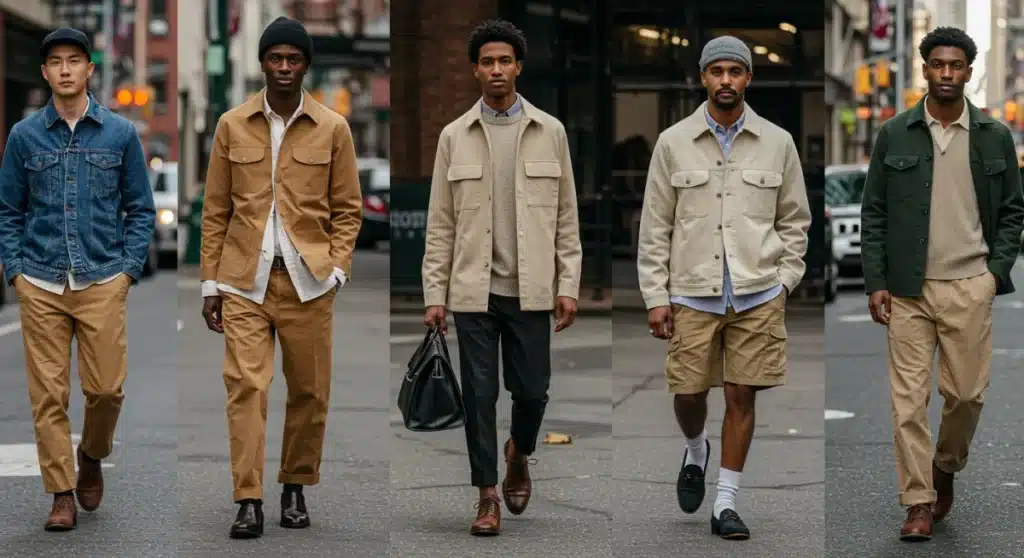
In Q1 2025, menswear evolution in the US is marked by a dynamic shift towards comfort, sustainability, and expressive individuality, with five key emerging styles defining the fashion landscape.
The world of men’s fashion is in constant flux, and understanding the latest shifts is crucial for staying ahead. As we delve into the menswear evolution Q1 2025, we observe a fascinating convergence of comfort, individuality, and conscious consumption dictating the trends across the United States. This period is shaping up to be a pivotal moment, introducing fresh perspectives on how men approach their wardrobes.
The Rise of Relaxed Tailoring and Comfort-First Aesthetics
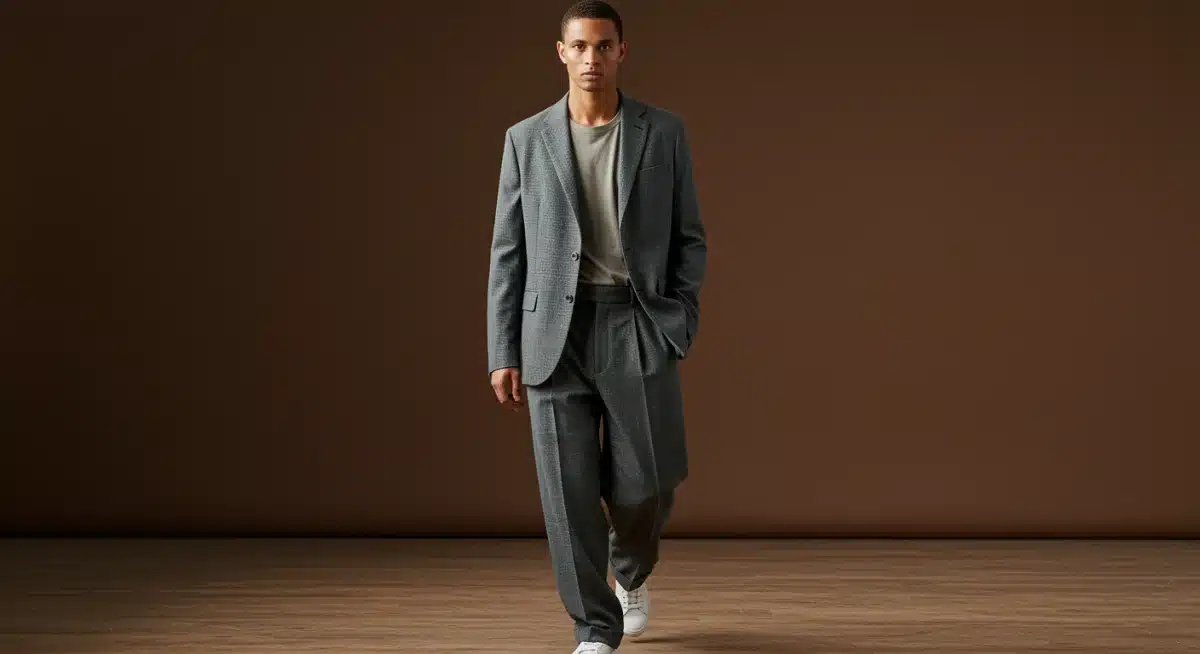
Q1 2025 heralds a significant departure from rigid, traditional menswear silhouettes, with relaxed tailoring taking center stage. This isn’t just about oversized garments; it’s a sophisticated reinterpretation of classic pieces, prioritizing comfort without sacrificing elegance. Think softer shoulders, wider trouser legs, and deconstructed blazers that offer a more fluid and less constricting feel.
This trend reflects a broader cultural shift towards valuing well-being and ease in daily life. Men are seeking clothing that moves with them, adapts to various settings, and projects an air of effortless style. The lines between formal and casual continue to blur, allowing for greater versatility in personal expression.
Key Elements of Relaxed Tailoring
The appeal of relaxed tailoring lies in its adaptability. It’s about pieces that can be dressed up or down, offering maximum utility for the modern man’s dynamic lifestyle.
- Deconstructed Blazers: Lighter fabrics, minimal lining, and softer construction for a less formal drape.
- Wide-Leg Trousers: A comfortable alternative to slim-fit, offering freedom of movement and a stylish silhouette.
- Loose-Fit Shirts: Button-downs and casual shirts with a more generous cut, often in breathable fabrics like linen or Tencel.
- Knitted Polo Shirts: A sophisticated yet relaxed option, bridging the gap between a t-shirt and a traditional collared shirt.
The emphasis is on quality fabrics and thoughtful design, ensuring that even the most relaxed pieces maintain a polished appearance. This style encourages mixing and matching, fostering a more sustainable approach to wardrobe building by focusing on versatile, long-lasting garments.
Ultimately, relaxed tailoring for Q1 2025 embodies a refined casualness. It’s about looking put-together and sophisticated, but with an underlying sense of ease and personal comfort. This trend resonates deeply with men who prioritize both style and practicality in their daily attire, moving away from restrictive norms towards a more liberated form of dressing.
Utility Workwear’s Enduring Appeal and Modern Revitalization
Utility workwear continues its strong presence in menswear, evolving in Q1 2025 from purely functional to fashion-forward with a rugged edge. This trend draws inspiration from traditional work uniforms but incorporates contemporary cuts, premium materials, and refined details, making it suitable for both urban environments and outdoor pursuits.
The allure of utility workwear lies in its practicality, durability, and a certain masculine aesthetic that appeals to a wide demographic. We are seeing a blend of heritage designs with modern interpretations, often featuring innovative fabrics and advanced construction techniques.
Functional Fashion Elements
Modern utility workwear is characterized by its emphasis on functionality integrated seamlessly with style. It’s not just about pockets; it’s about thoughtful design that serves a purpose while looking good.
- Cargo Pants and Trousers: Elevated versions with refined fabrics, often featuring multiple, well-placed pockets.
- Overshirts and Chore Jackets: Versatile layering pieces in sturdy materials like canvas, denim, or heavy cotton twill.
- Durable Fabrics: Emphasis on materials that offer longevity and resistance, such as ripstop, waxed cotton, and reinforced denim.
- Functional Details: Features like adjustable cuffs, reinforced seams, and strategic ventilation.
This style champions clothing that can withstand the rigors of daily life while maintaining a sharp appearance. Brands are experimenting with eco-friendly dyes and recycled materials, aligning utility workwear with broader sustainability goals. The palette often includes earthy tones, deep blues, and military greens, reflecting its utilitarian roots.
The enduring appeal of utility workwear in Q1 2025 is its ability to combine robustness with contemporary design. It speaks to a desire for clothing that is both reliable and stylish, suitable for various activities from casual weekends to creative professional settings. This trend highlights a return to garments built to last, offering a refreshing contrast to fast fashion.
Sustainable Activewear: Performance Meets Planetary Conscious
The intersection of fitness, fashion, and environmental responsibility defines the burgeoning trend of sustainable activewear in Q1 2025. Men are increasingly seeking performance-driven apparel that also aligns with their values regarding ecological impact. This shift is driving innovation in material science and manufacturing processes within the activewear industry.
Consumers are more informed than ever about the environmental footprint of their purchases, leading to a demand for transparency and ethical production. Sustainable activewear is no longer a niche market; it’s becoming a mainstream expectation, influencing major brands and emerging labels alike.
Innovations in Eco-Conscious Materials
The core of sustainable activewear lies in its materials and the way they are sourced and produced. Advancements in textile technology are making it possible to create high-performance fabrics with significantly reduced environmental impact.
- Recycled Polyester: Made from plastic bottles or ocean waste, offering the same performance as virgin polyester.
- Organic Cotton: Grown without harmful pesticides or synthetic fertilizers, reducing water and chemical usage.
- Tencel and Modal: Cellulosic fibers derived from sustainably managed wood sources, known for their softness and breathability.
- Hemp and Bamboo: Natural fibers with excellent moisture-wicking and antibacterial properties, requiring less water and chemicals to grow.
Beyond materials, brands are also focusing on sustainable manufacturing practices, such as reducing water usage, minimizing waste, and employing fair labor practices. The aesthetic of sustainable activewear often leans towards minimalist designs, natural color palettes, and versatile pieces that can transition from workouts to casual wear.
For Q1 2025, sustainable activewear represents more than just a trend; it’s a movement towards responsible consumption within the menswear space. It demonstrates that peak performance and environmental stewardship can coexist, offering men choices that support both their fitness goals and their commitment to a healthier planet.
The Expansion of Gender-Fluid and Androgynous Styles
Q1 2025 sees a continued and significant expansion of gender-fluid and androgynous styles in menswear, challenging traditional notions of masculinity in fashion. This trend champions self-expression and individuality above prescribed gender norms, offering a diverse array of silhouettes, fabrics, and designs that can be worn by anyone, regardless of gender identity.
This movement is driven by a younger, more progressive generation that views clothing as a form of personal identity rather than a strict adherence to societal expectations. Designers are responding by creating collections that blur the lines between menswear and womenswear, focusing on universal appeal and versatile pieces.
Characteristics of Gender-Fluid Dressing
Gender-fluid fashion is characterized by its refusal to conform to conventional gendered clothing categories. It prioritizes comfort, self-expression, and a playful approach to style.
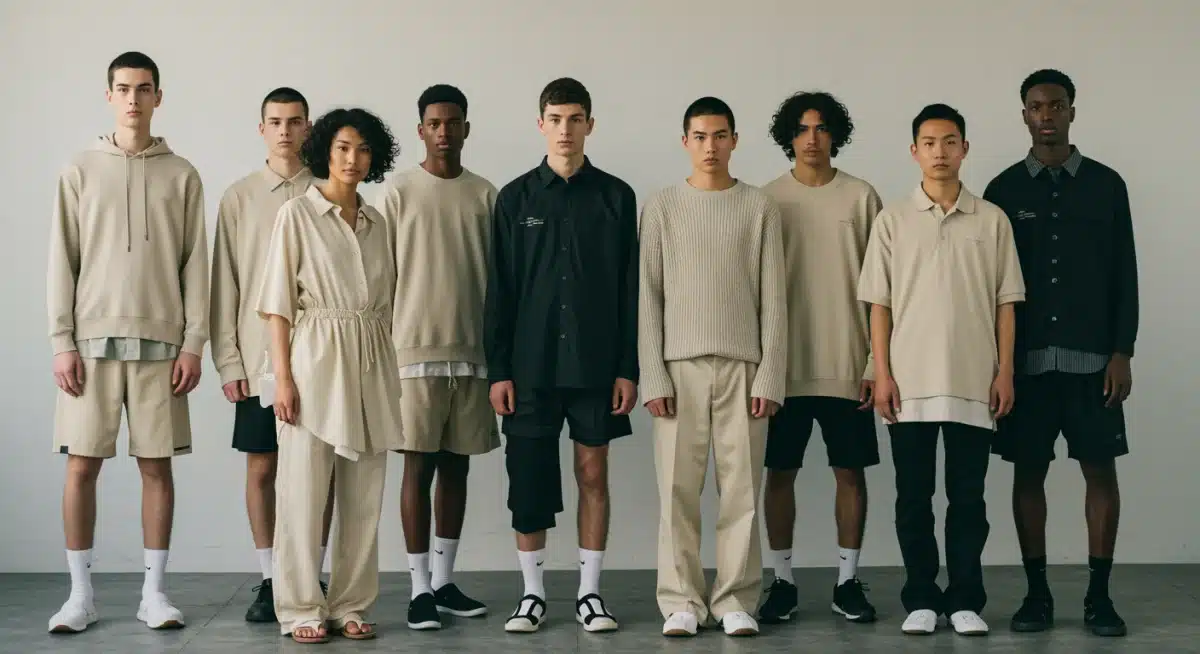
- Oversized Silhouettes: Loose-fitting garments that drape freely, obscuring traditional body shapes.
- Neutral Color Palettes: Greens, browns, grays, and muted tones that appeal broadly and avoid traditionally gendered colors.
- Versatile Fabrics: Soft, flowing materials like silk, satin, and various knits, alongside more structured cottons and wools.
- Deconstructed Designs: Garments that rethink traditional construction, offering unexpected cuts and forms.
This trend encourages experimentation with layering, textures, and accessories, allowing individuals to craft unique looks that reflect their personal aesthetic. It’s about breaking free from sartorial limitations and embracing a broader spectrum of style possibilities. The focus is on clothing that feels good and allows for authentic self-representation.
The expansion of gender-fluid and androgynous styles in Q1 2025 exemplifies a more inclusive and open-minded approach to menswear. It’s a celebration of diversity and a powerful statement that fashion should be accessible and liberating for everyone, fostering a more fluid and less rigid understanding of personal style.
Vintage Reimagined: Nostalgia with a Modern Twist
Nostalgia continues to influence menswear, but in Q1 2025, it’s less about direct replication and more about vintage reimagined. This trend takes inspiration from past eras, particularly the 70s, 80s, and 90s, and reinterprets them with contemporary sensibilities, fabrics, and fits. It’s a homage to classic styles, updated for the modern man.
The appeal lies in the unique character and storytelling that vintage elements bring to an outfit, allowing for a blend of old and new. This approach to fashion is also inherently sustainable, encouraging the revival and repurposing of existing styles rather than constant new production.
Key Eras and Modern Adaptations
Vintage reimagined draws from various decades, selecting iconic elements and giving them a fresh, current feel. It’s about selective inspiration rather than wholesale adoption.
- 70s Influence: Wider lapels, earthy color palettes, subtle flares in trousers, but with cleaner lines and updated fabrics.
- 80s Power Dressing: Structured shoulders, bolder prints, and statement outerwear, scaled down for modern wearability.
- 90s Minimalism and Grunge: Oversized denim, relaxed graphic tees, and utilitarian outerwear, refined with better quality materials and thoughtful layering.
- Retro Sportswear: Tracksuits, windbreakers, and athletic-inspired pieces from past decades, now in premium fabrics and tailored cuts.
This trend often combines vintage-inspired pieces with contemporary items, creating a look that is both unique and cohesive. Accessories play a crucial role, with retro sunglasses, chunky sneakers, and classic watches completing the aesthetic. It’s about curating a personal style that tells a story, blending historical references with current trends.
Vintage reimagined for Q1 2025 is a testament to the cyclical nature of fashion, proving that great style is timeless. It offers men an opportunity to express their individuality through pieces that carry a sense of history, yet feel entirely relevant and fresh for today’s world. This trend fosters creativity and a more discerning eye for quality and design.
The Influence of Digital Culture and AI on Menswear Trends
Beyond traditional fashion forecasting, Q1 2025 menswear is increasingly shaped by digital culture and the burgeoning influence of artificial intelligence. Social media platforms, virtual fashion, and AI-driven analytics are not just reflecting trends; they are actively creating and accelerating them, offering unprecedented insights into consumer preferences and emerging aesthetics.
The digital realm provides a global stage for niche styles to gain traction rapidly, blurring geographical boundaries and diversifying influences. AI, on the other hand, is becoming an invaluable tool for designers and retailers to predict demand, personalize recommendations, and even generate new design concepts, streamlining the creative process.
How Digital Tools Shape Fashion
The interplay between digital culture and AI is transforming how menswear trends are identified, disseminated, and adopted. This digital ecosystem fosters rapid innovation and responsiveness within the industry.
- Social Media Microtrends: Platforms like TikTok and Instagram drive ephemeral trends, with users becoming trendsetters through viral content.
- Virtual Fashion and Avatars: Digital clothing for online identities influences real-world design, especially in experimental and avant-garde styles.
- AI-Driven Personalization: Algorithms analyze purchasing data and browsing habits to offer highly tailored fashion recommendations, influencing individual style choices.
- Predictive Analytics: AI tools help brands forecast future trends, optimize inventory, and reduce waste by anticipating consumer demand more accurately.
The rise of digital fashion also democratizes access to style, allowing individuals from all backgrounds to experiment with their aesthetic online before translating it to physical garments. This fosters a more experimental and less risk-averse approach to personal style. Furthermore, AI is assisting in the development of sustainable materials and production methods, aligning digital innovation with ethical fashion practices.
In Q1 2025, the synergy between digital culture and AI is profoundly impacting the menswear landscape. It’s creating a more dynamic, personalized, and responsive fashion ecosystem where trends emerge faster, are more diverse, and are increasingly informed by data and individual preferences. This digital evolution is set to redefine how men interact with and consume fashion.
The Future of Menswear: Blending Innovation and Heritage
As we advance through Q1 2025, the future of menswear in the US appears to be a sophisticated blend of technological innovation and a deep respect for heritage. The trends observed—from relaxed tailoring to sustainable activewear and vintage reimagined—all point towards a consumer base that values authenticity, comfort, and ethical considerations. The industry is responding by offering garments that are not only stylish but also meaningful and enduring.
The convergence of diverse influences, propelled by digital culture and AI, is creating a menswear landscape that is more inclusive and expressive than ever before. This period is a testament to fashion’s ability to adapt and evolve, reflecting broader societal values and individual aspirations.
Shaping the Modern Male Wardrobe
The emerging styles are not isolated phenomena but interconnected movements that collectively shape the contemporary male wardrobe. They emphasize versatility, quality, and conscious choices, moving away from transient trends towards lasting style.
- Investment in Quality: A preference for well-made garments that offer longevity and timeless appeal.
- Personalized Expression: Clothing as a tool for individual identity, moving beyond conventional norms.
- Ethical Consumption: Growing demand for transparency, sustainability, and fair practices in fashion.
- Versatility and Adaptability: Wardrobes built around pieces that serve multiple purposes and occasions.
The menswear evolution in Q1 2025 is not just about what men are wearing, but why they are wearing it. It’s a narrative of conscious choices, personal narratives, and a desire for clothing that genuinely reflects a modern, complex identity. This forward-looking approach promises a vibrant and responsible future for men’s fashion.
In conclusion, the emerging menswear styles of Q1 2025 in the US paint a picture of a fashion landscape that is both innovative and deeply rooted in evolving societal values. The emphasis on comfort, utility, sustainability, fluid gender expression, and a modern take on vintage aesthetics signals a mature and thoughtful approach to dressing for the contemporary man. This evolution is set to inspire and redefine personal style for years to come.
| Emerging Style | Brief Description |
|---|---|
| Relaxed Tailoring | Sophisticated reinterpretation of classic pieces, prioritizing comfort and fluidity without sacrificing elegance. |
| Utility Workwear | Functional designs with modern cuts and premium materials, blending ruggedness with contemporary style. |
| Sustainable Activewear | Performance-driven athletic wear made from eco-conscious materials and ethical production methods. |
| Gender-Fluid Styles | Challenging traditional norms with versatile, non-gendered garments that prioritize self-expression and comfort. |
Frequently Asked Questions About Q1 2025 Menswear Trends
The relaxed tailoring trend is driven by a desire for greater comfort and versatility in daily wear, alongside a cultural shift prioritizing well-being. It allows for effortless transitions between formal and casual settings, reflecting a modern man’s dynamic lifestyle and a move away from rigid dress codes.
Utility workwear in Q1 2025 is evolving beyond pure functionality, incorporating contemporary cuts, premium materials, and refined details. It blends heritage designs with modern interpretations, making it suitable for diverse urban and outdoor environments while maintaining its practical and durable appeal.
Sustainable activewear is gaining prominence due to increased consumer awareness of environmental impact and a demand for ethical production. It offers performance-driven apparel made from recycled, organic, or sustainably sourced materials, allowing men to align their fitness goals with their ecological values.
Gender-fluid styles in Q1 2025 are defined by their challenge to traditional gender norms, emphasizing self-expression and individuality. They feature oversized silhouettes, neutral color palettes, versatile fabrics, and deconstructed designs, creating universal appeal suitable for anyone, regardless of gender identity.
Digital culture profoundly influences menswear trends by accelerating their emergence through social media microtrends and virtual fashion. AI-driven analytics provide insights into consumer preferences, personalize recommendations, and assist in forecasting, creating a more dynamic, responsive, and diverse fashion ecosystem for Q1 2025.
Conclusion
The menswear evolution Q1 2025 in the United States paints a clear picture of a fashion landscape that is increasingly conscious, comfortable, and centered on individual expression. The dominance of relaxed tailoring and utility workwear underscores a collective desire for practicality and ease, while the rise of sustainable activewear highlights a growing commitment to environmental responsibility. Furthermore, the expansion of gender-fluid styles and the modern reinterpretation of vintage looks reflect a more inclusive and creatively liberated approach to dressing. As digital culture and AI continue to shape how trends emerge and evolve, the future of menswear promises a dynamic blend of innovation and authenticity, offering men more thoughtful and personalized ways to define their style.
