Mastering Mix-and-Match: 5 Rules for Cohesive Outfits in 2025
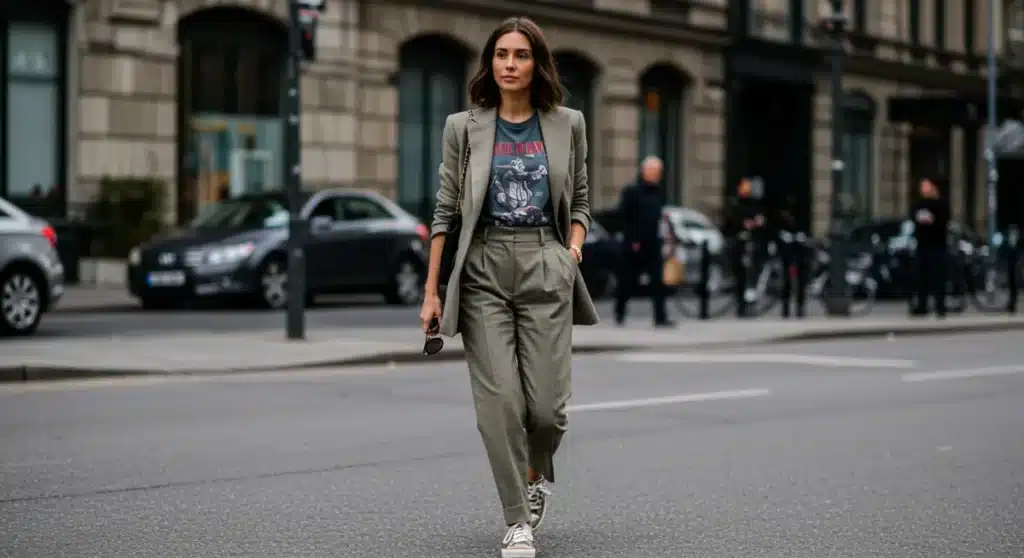
Mastering mix-and-match outfits involves understanding foundational principles like color harmony, silhouette balance, and strategic accessory use to create cohesive and personalized looks.
Are you ready to transform your wardrobe and embrace a more versatile, stylish approach to dressing? In 2025, the art of mix-and-match outfits is more relevant than ever, offering endless possibilities for personal expression without constantly buying new clothes. This guide will equip you with five practical rules to create cohesive and effortlessly chic ensembles every time.
Understanding the Foundation: Building a Versatile Wardrobe
Before diving into the specifics of combining pieces, it’s crucial to establish a solid foundation: a versatile wardrobe. This isn’t about having a massive collection, but rather a carefully curated selection of items that work well together. Think of it as your personal fashion toolkit, where every piece serves multiple purposes.
A versatile wardrobe emphasizes quality over quantity, focusing on timeless pieces that transcend fleeting trends. These items form the backbone of your mix-and-match strategy, allowing you to build countless outfits with relative ease. Investing in well-made basics ensures longevity and provides a consistent aesthetic base for your more expressive pieces.
Identifying Your Core Style Elements
Every successful mix-and-match endeavor begins with a clear understanding of your core style. This refers to the aesthetic that genuinely resonates with you and makes you feel most confident. It’s not about pigeonholing yourself into a single category, but rather recognizing recurring themes and preferences.
- Color Palette: Do you gravitate towards neutrals, vibrant hues, or a mix? Knowing your preferred colors helps in selecting pieces that naturally complement each other.
- Preferred Silhouettes: Are you drawn to fitted, oversized, structured, or flowing garments? Understanding your favorite shapes ensures comfort and consistency.
- Fabric Textures: Do you prefer soft knits, crisp cottons, luxurious silks, or durable denim? Texture adds depth and interest to your outfits.
By identifying these core elements, you create a personal style blueprint. This blueprint acts as a filter when shopping or assessing your current wardrobe, ensuring that new additions integrate seamlessly and existing pieces can be styled in fresh ways. It’s about intentionality in dressing, moving away from impulse buys and towards a more cohesive approach.
Ultimately, a versatile wardrobe is the launchpad for effective mix-and-match styling. It empowers you to experiment with different combinations, secure in the knowledge that your foundational pieces will always anchor your look. This thoughtful approach to wardrobe building is the first step in mastering the art of cohesive dressing.
Rule 1: Master the Art of Color Harmony and Contrast
Color is perhaps the most powerful tool in your mix-and-match arsenal. Understanding how colors interact can elevate an ordinary outfit to an extraordinary one. It’s not just about matching, but about creating harmonious combinations or deliberate, impactful contrasts.
The first step is to identify your dominant neutral colors. These are the versatile shades like black, white, gray, navy, and beige that form the base of most wardrobes. Once you have your neutrals, you can begin to introduce accent colors that either complement or create a striking contrast.
Leveraging the Color Wheel for Cohesion
The color wheel is an invaluable guide for creating visually appealing outfits. Analogous colors (next to each other on the wheel, e.g., blue and green) create a smooth, harmonious look, while complementary colors (opposite each other, e.g., blue and orange) offer a vibrant, high-contrast effect. Triadic colors (forming a triangle on the wheel) provide a balanced yet dynamic palette.
- Monochromatic Schemes: Using different shades and tints of a single color creates an elegant, streamlined look that is inherently cohesive.
- Analogous Combinations: These schemes are subtle and refined, perfect for sophisticated everyday wear. They are easy on the eye and create a sense of flow.
- Complementary Contrasts: When used thoughtfully, complementary colors can make an outfit pop. The key is often to use one as a dominant color and the other as an accent.
Beyond the color wheel, consider the undertones of your chosen colors. Warm tones (reds, oranges, yellows) typically pair well together, as do cool tones (blues, greens, purples). Mixing warm and cool tones can be done, but it requires a more discerning eye to ensure balance. Pay attention to how different lighting affects colors; what looks great in natural light might appear different under artificial light.
Ultimately, mastering color harmony and contrast is about intentionality. It’s about choosing colors not just because you like them individually, but because you understand how they will interact within an entire ensemble. This thoughtful approach ensures your mix-and-match creations always look polished and purposeful.
Rule 2: Balance Silhouettes for a Flattering Look
One of the most crucial yet often overlooked aspects of creating cohesive mix-and-match outfits is balancing silhouettes. A silhouette refers to the outline or shape of your clothing as it appears against your body. Achieving balance means pairing different shapes and volumes in a way that flatters your figure and creates visual interest without overwhelming it.
The general principle is to balance volume. If you choose a voluminous top, such as an oversized sweater or a billowy blouse, pair it with a more fitted bottom, like slim-fit trousers, skinny jeans, or a pencil skirt. Conversely, if your bottom half features wide-leg pants or a full skirt, opt for a more streamlined or fitted top.
Playing with Proportions and Layers
Understanding proportions is key to silhouette balance. This involves how different lengths and volumes interact to create an overall look. For instance, a cropped jacket paired with high-waisted pants can elongate the legs, while a long tunic over leggings creates a relaxed, comfortable silhouette. Experiment with different lengths to find what works best for your body type and personal style.
- Top-Heavy vs. Bottom-Heavy: If your top is loose, keep your bottom fitted. If your bottom is wide, keep your top more tailored. This creates an appealing hourglass effect or a well-proportioned look.
- Layering Strategically: Layers add dimension and allow you to adjust silhouettes. A structured blazer over a flowing dress, or a slim-fit turtleneck under a chunky cardigan, are excellent examples of balancing volumes through layering.
- Defining the Waist: Using belts or opting for high-waisted items can help define your waist, which is a powerful tool for creating balanced silhouettes, especially when dealing with looser garments.
The goal is not to hide your body, but to enhance it and create a visually pleasing line. When you balance silhouettes effectively, your mix-and-match ensembles appear thoughtful and sophisticated, rather than haphazard. It’s about creating a dynamic interplay between different shapes that results in a harmonious and flattering overall aesthetic.
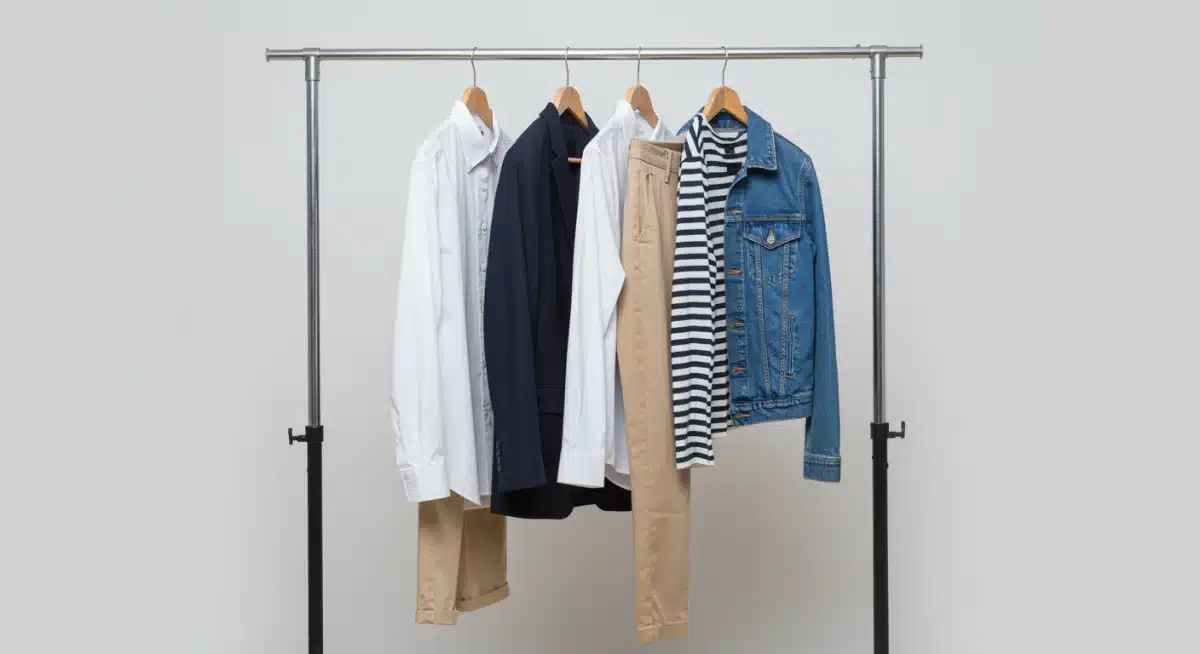
Rule 3: Integrate Textures and Patterns Thoughtfully
Adding texture and pattern is where mix-and-match truly comes alive, transforming simple outfits into rich, multidimensional statements. However, this rule requires a discerning eye to avoid visual clutter. The key is thoughtful integration, ensuring that textures and patterns enhance, rather than compete with, each other.
Texture refers to the feel and visual quality of a fabric. Think about the difference between a chunky knit sweater, a sleek silk blouse, rough denim, or smooth leather. Mixing these distinct textures adds depth and interest, making an outfit feel more luxurious and considered. For example, pairing a cashmere sweater with a leather skirt or a tweed blazer with a soft cotton tee creates an engaging tactile experience.
Combining Patterns with Purpose
When it comes to patterns, the trick is to find common ground or create deliberate contrast. One effective approach is to mix patterns that share a common color. This instantly creates cohesion, even if the patterns themselves are very different. For example, a floral print dress with a subtle stripe blazer, both featuring a touch of navy, will look intentional.
- Varying Scale: Combine a large-scale pattern with a small-scale pattern. A bold plaid pant can be balanced with a delicate polka dot blouse, as long as the color palette is coordinated.
- Mixing Different Types: Don’t shy away from combining stripes with florals, or animal prints with geometrics. The secret lies in using one pattern as a dominant feature and the other as a subtle accent.
- Grounding with Solids: If you’re new to pattern mixing, introduce one patterned item and pair it with two or three solid-colored pieces. This allows the pattern to shine without overwhelming the outfit.
Consider the overall aesthetic you’re aiming for. A bohemian look might embrace more varied and intricate patterns, while a minimalist style might focus on subtle textures and a single, understated pattern. Remember that texture can also act as a subtle pattern, like a cable knit or a seersucker fabric. Thoughtful integration of textures and patterns elevates your mix-and-match outfits, making them uniquely yours and visually captivating.
Rule 4: Accessories as Your Cohesion Catalysts
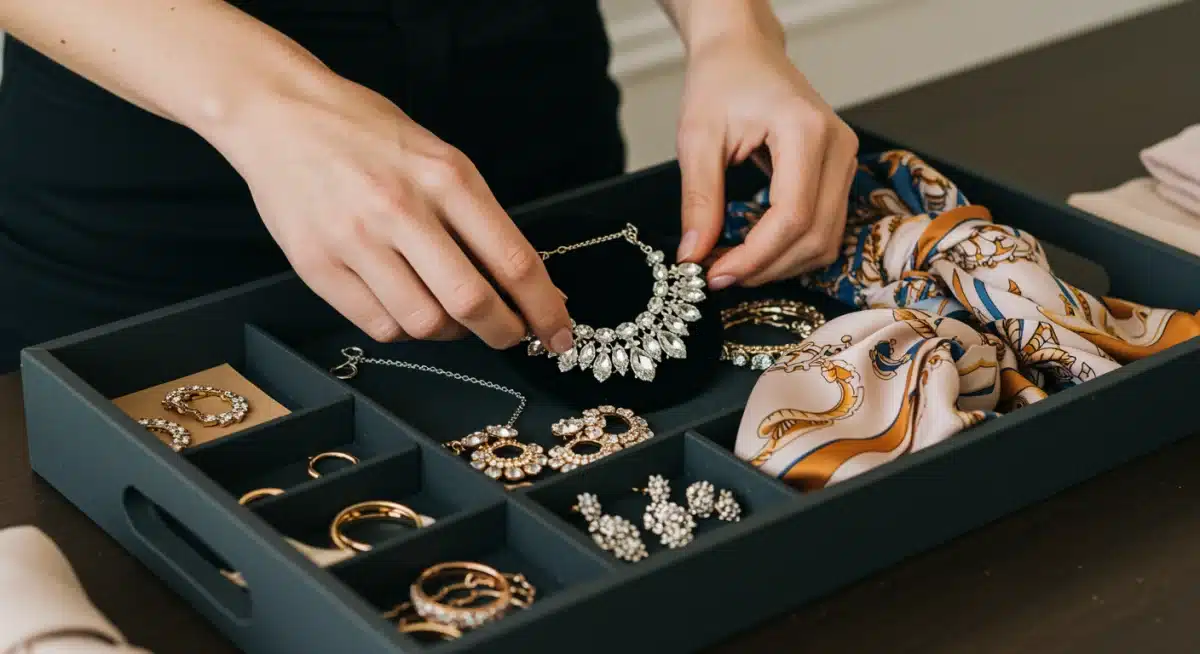
Accessories are not mere afterthoughts; they are powerful tools that can unify disparate pieces and elevate your mix-and-match outfits from good to great. Think of them as the glue that brings your entire ensemble together, adding personality, polish, and a touch of individuality. From jewelry to belts, scarves to shoes, each accessory plays a vital role in creating cohesion.
A well-chosen belt can define a silhouette, a statement necklace can draw the eye and add a focal point, and a vibrant scarf can introduce color harmony or contrast. The key is to select accessories that complement the overall mood and color scheme of your outfit, rather than clashing with it.
Strategic Accessorizing for Impact
When selecting accessories, consider their scale, material, and how they interact with the textures and colors of your clothing. A metallic belt might add a modern edge, while a woven one lends a bohemian feel. The right handbag can tie together a color story or introduce a contrasting shade that breaks up monotony.
- Jewelry as a Statement: Use jewelry to reflect your personal style. A bold necklace can transform a simple top, while delicate layered pieces add subtle elegance.
- Belts for Definition: Belts are excellent for cinching waists, adding structure to loose garments, or introducing a pop of color or texture.
- Scarves for Versatility: Scarves can be worn in numerous ways – around the neck, in your hair, tied to a bag – offering incredible versatility in adding color, pattern, or texture.
- Shoes and Bags: These often form the anchors of your outfit. A neutral shoe can ground a colorful ensemble, while a brightly colored bag can inject personality into a more subdued look.
Remember that less can often be more. While layering accessories can be stylish, avoid over-accessorizing, which can make an outfit look cluttered. Choose a few key pieces that make an impact and contribute to the overall cohesion of your mix-and-match look. Accessories are your final touch, the elements that truly personalize and complete your fashion statement.
Rule 5: Trust Your Intuition and Experiment Boldly
While rules and guidelines provide a solid framework for mastering mix-and-match, the most important rule of all is to trust your intuition and experiment boldly. Fashion is, at its heart, a form of self-expression. What looks fantastic on one person might not feel right for another, and that’s perfectly fine. Your personal style is unique, and your outfits should reflect that.
Don’t be afraid to break a ‘rule’ if it leads to an outfit that makes you feel amazing. Sometimes, the most unexpected combinations yield the most stylish results. The five rules discussed earlier are tools, not rigid commandments. Use them to guide your choices, but always allow room for creativity and personal preference.
Developing Your Fashion Eye Through Practice
Developing a strong fashion intuition comes with practice. The more you experiment with different combinations, the better you’ll become at discerning what works and what doesn’t for you. Take photos of your outfits to see how they look from a different perspective. Pay attention to how certain colors or silhouettes make you feel.
- Try On Everything: Don’t just visualize; physically try on different combinations. You might be surprised by what works together once you see it on your body.
- Seek Inspiration: Look at fashion magazines, blogs, and social media for ideas. Notice how others mix colors, patterns, and silhouettes, then adapt those concepts to your own wardrobe.
- Keep a Style Journal: Document your favorite outfits, noting why they work and how they make you feel. This helps you identify recurring themes and successful combinations.
Remember that fashion evolves, and so does personal style. What you love today might shift tomorrow, and that’s part of the fun. Embrace the journey of discovery, treating your wardrobe as a playground for self-expression. By trusting your gut and experimenting with confidence, you’ll not only master mix-and-match but also cultivate a truly authentic and evolving personal style that is uniquely yours.
Sustainability and Longevity in Mix-and-Match
Beyond personal style, the mix-and-match philosophy inherently promotes sustainability and longevity in fashion. In an era increasingly conscious of environmental impact, maximizing the utility of each garment in your wardrobe is a powerful statement against fast fashion. When you can create dozens of outfits from a limited number of well-chosen pieces, you reduce the need for constant consumption and minimize waste.
This approach encourages a more mindful relationship with your clothing. Instead of chasing ephemeral trends, you invest in quality items that stand the test of time, both in durability and style. The focus shifts from accumulating new items to creatively utilizing what you already own, fostering a sense of resourcefulness and personal connection to your wardrobe.
Building a Timeless Capsule Wardrobe
A capsule wardrobe, a concept deeply intertwined with mix-and-match, is a prime example of this sustainable approach. It involves curating a small collection of essential, versatile items that can be easily interchanged to create numerous outfits. This reduces decision fatigue, saves money, and significantly lessens your fashion footprint.
- Quality Over Quantity: Invest in durable fabrics and classic designs that won’t quickly go out of style or wear out.
- Versatility is Key: Each item should be able to pair with at least three other items in your wardrobe for maximum utility.
- Mindful Consumption: Before making a new purchase, consider how it fits into your existing mix-and-match strategy and if it genuinely adds value.
Embracing mix-and-match also encourages repairing and maintaining your clothes, prolonging their lifespan. Learning basic mending skills or finding a good tailor becomes part of the process, further reducing textile waste. By adopting these practices, you not only enhance your personal style but also contribute to a more sustainable and ethical fashion ecosystem. It’s a win-win for your wardrobe and the planet.
| Key Rule | Brief Description |
|---|---|
| Color Harmony | Coordinate or contrast colors using the color wheel to create visually pleasing ensembles. |
| Balance Silhouettes | Pair voluminous pieces with fitted ones to create a flattering and well-proportioned look. |
| Integrate Textures & Patterns | Thoughtfully combine different fabric textures and patterns for depth and visual interest. |
| Accessorize Strategically | Use accessories to unify outfits, add personality, and complete your cohesive look. |
Frequently Asked Questions About Mix-and-Match Outfits
▼
The most important rule is to understand and apply color harmony. By strategically choosing colors that either complement or contrast in a pleasing way, you can ensure your mixed pieces look intentional and cohesive, forming a unified aesthetic that elevates your overall ensemble.
▼
Begin by identifying your core style and investing in high-quality neutral basics like T-shirts, trousers, and blazers. These foundational pieces serve as a canvas for more vibrant or patterned items, allowing for endless combinations and ensuring every new addition enhances your existing collection.
▼
Absolutely! Mixing patterns is a sophisticated styling technique. To do so successfully, try to find a common color shared between the patterns or vary their scale (e.g., a large floral with a small stripe). Grounding patterns with solid neutral pieces can also ensure a balanced and chic outcome.
▼
Accessories are crucial cohesion catalysts. They can unify disparate pieces, inject personality, and polish an outfit. A well-chosen belt, scarf, or piece of jewelry can tie together colors, add texture, or create a focal point, transforming a simple mix into a complete and intentional look.
▼
Focus on balancing silhouettes. If you wear a voluminous top, pair it with a more fitted bottom, and vice-versa. Experiment with proportions and use layering strategically to create flattering lines and define your waist, ensuring your outfits enhance your natural shape effectively.
Conclusion
Mastering the art of mix-and-match is a journey of self-discovery and creative expression, offering a sustainable and endlessly stylish approach to dressing. By understanding the core principles of color harmony, silhouette balance, thoughtful texture and pattern integration, and strategic accessorizing, you empower yourself to create cohesive, impactful outfits with confidence. Remember to trust your intuition and experiment boldly, allowing your personal style to shine through every combination. In 2025, a well-curated wardrobe is not just about fashion; it’s about smart, conscious living.
