Designing Your Sanctuary: 7 Home Decor Updates for 2026 Well-being
Advertisements
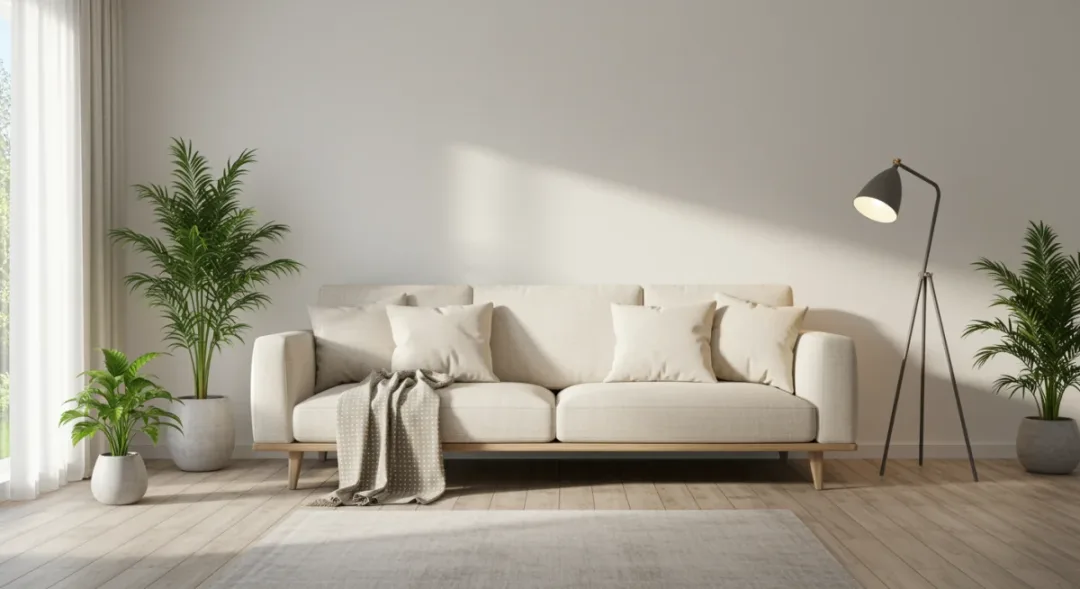
Implementing thoughtful home decor updates in 2026 can significantly enhance personal well-being by creating a more harmonious and supportive living environment, fostering a sense of calm, productivity, and emotional balance.
In our increasingly fast-paced world, the concept of home has evolved beyond mere shelter; it’s become a vital sanctuary, a personal retreat where we can recharge, reflect, and rediscover ourselves. The profound impact our surroundings have on our mental and emotional states cannot be overstated. This year, the focus is squarely on designing your sanctuary: 7 home decor updates for a 2026 refresh that boosts well-being by 15%, transforming your space into a haven that genuinely supports your holistic health. Are you ready to unlock the secret to a happier, healthier home life?
The Psychology of Space: How Home Decor Impacts Well-being
Our homes are more than just collections of objects; they are extensions of ourselves, deeply influencing our moods, productivity, and overall sense of peace. The colors we choose, the textures we feel, and the way light enters a room all play a critical role in shaping our psychological landscape. Understanding this connection is the first step toward creating a truly supportive living environment.
Research consistently shows that a well-designed home can reduce stress, enhance creativity, and even improve sleep quality. When our spaces are cluttered or lack harmony, our minds can feel similarly chaotic. Conversely, an organized, aesthetically pleasing environment can promote a sense of calm and control, directly contributing to an uplifted spirit and improved mental clarity.
Color Theory for Calm and Energy
The strategic use of color is a powerful tool in home decor. Different hues evoke distinct emotional responses, making color choice crucial for well-being. Soft blues and greens, for instance, are known for their calming properties, perfect for bedrooms and meditation spaces.
- Blues: Promote tranquility, peace, and stability. Ideal for areas of rest.
- Greens: Represent nature, growth, and balance. Excellent for living rooms and home offices.
- Yellows: Offer warmth, optimism, and energy in moderation. Suitable for kitchens or creative spaces.
- Neutrals: Provide a grounding backdrop, allowing other elements to shine without overwhelming.
Conversely, overly bright or saturated colors in large quantities can sometimes lead to feelings of agitation or overwhelm. The key is balance and intentionality, selecting colors that resonate with the desired mood for each specific area of your home.
Ultimately, the psychology of space is about creating an environment that nurtures your soul. By consciously curating your surroundings, you empower your home to become a true sanctuary, a place where well-being flourishes naturally.
Embracing Biophilic Design: Bringing Nature Indoors
Biophilic design is not just a trend; it’s a fundamental approach to creating spaces that connect us with the natural world, recognizing our innate human need to affiliate with nature. This connection has been scientifically proven to reduce stress, improve cognitive function, and enhance overall emotional well-being. For 2026, integrating biophilic elements is a cornerstone of a well-being-focused home refresh.
From lush indoor plants to natural materials and views of the outdoors, biophilic design seeks to blur the lines between inside and out. It’s about more than just adding a potted plant; it’s about designing with nature as an integral part of the living experience, fostering a sense of vitality and calm.
Strategic Plant Placement for Air Quality and Aesthetic
Indoor plants are perhaps the most accessible and effective way to introduce biophilia into your home. Beyond their aesthetic appeal, many plants are natural air purifiers, removing toxins and improving air quality, which directly contributes to better health.
- Snake Plants: Low maintenance, excellent for purifying air, especially at night.
- Pothos: Hardy and versatile, known for removing formaldehyde and carbon monoxide.
- Peace Lilies: Beautiful and effective at filtering common household toxins.
- Fiddle Leaf Figs: A popular choice for adding a dramatic natural focal point.
Consider placing plants in areas where you spend a lot of time, like your living room or home office. Varying plant sizes and types can create visual interest and a more dynamic natural environment. Even a small herb garden in the kitchen can bring a touch of living green into your daily routine.
Beyond plants, incorporate natural wood, stone, and woven textures. Maximize natural light and ensure window views are unobstructed. Even patterns reminiscent of nature, like botanical prints, can contribute to a biophilic feel. By consciously integrating nature, you cultivate a home that actively supports your physical and mental health.
Smart Lighting Solutions: Enhancing Mood and Productivity
Lighting is one of the most powerful yet often overlooked elements in home decor, capable of profoundly altering the mood and functionality of a space. For a 2026 well-being refresh, smart lighting solutions go beyond mere illumination; they offer dynamic control to support your circadian rhythms, boost productivity, and create serene atmospheres as needed. It’s about crafting an environment that adapts to your needs throughout the day.
Poor lighting can lead to eye strain, headaches, and even disrupt sleep patterns. Conversely, optimized lighting can enhance concentration, improve mood, and signal to our bodies when it’s time to be alert or wind down. Investing in smart lighting is an investment in your daily comfort and long-term health.
Tunable White and Circadian Lighting
Tunable white lighting systems allow you to adjust the color temperature of your lights from cool, bright whites to warm, soft ambers. This flexibility is key to supporting your body’s natural clock.
- Morning: Bright, cool white light mimics natural daylight, helping you wake up and feel alert.
- Daytime: Neutral white light is ideal for tasks and general living, maintaining focus without harshness.
- Evening: Warm, dim light helps signal to your body that it’s time to relax and prepare for sleep, promoting melatonin production.
Beyond color temperature, consider layering light sources. Combine ambient lighting (general room illumination), task lighting (for specific activities like reading or cooking), and accent lighting (to highlight features). Dimmers are essential for creating adaptable atmospheres. Smart bulbs and systems, controllable via apps or voice commands, make these adjustments effortless, allowing you to fine-tune your home’s ambiance with ease. This thoughtful approach to lighting ensures your home actively supports your mood and productivity at every hour.
Decluttering and Organization: Creating Mental Clarity
A cluttered home often leads to a cluttered mind. The constant visual noise of disorganization can be a significant source of stress, making it difficult to relax, focus, or even find what you need. For 2026, a fundamental step in designing your sanctuary involves a thorough decluttering and organization process, transforming your physical space into one that promotes mental clarity and peace.
The act of decluttering is not just about tidying up; it’s a therapeutic process that helps us let go of what no longer serves us, both physically and emotionally. An organized home creates a sense of order and control, which can significantly reduce anxiety and improve overall well-being. It allows your mind to breathe, free from constant distractions.
Implementing the ‘One In, One Out’ Rule
To maintain an organized space, adopting sustainable habits is crucial. The ‘one in, one out’ rule is a simple yet effective strategy to prevent clutter from accumulating again. When you bring a new item into your home, commit to removing an existing item of similar type.
- Clothes: Buy a new shirt? Donate or discard an old one.
- Books: Add a new novel? Pass on one you’ve already read.
- Kitchen gadgets: Acquire a new appliance? Rehome one you rarely use.
- Decor items: Introduce a new vase? Re-evaluate an older decorative piece.
Beyond this rule, invest in smart storage solutions that blend seamlessly with your decor. Utilize vertical space with shelves and tall cabinets. Opt for multi-functional furniture, such as ottomans with storage or beds with built-in drawers. Regularly review your possessions and be honest about what truly brings value or joy. A well-organized home is a calm home, fostering an environment where your mind can thrive without unnecessary distractions.
Incorporating Sensory Elements: Sound, Scent, and Touch
A truly immersive sanctuary engages all the senses, not just sight. For a 2026 home refresh focused on well-being, thoughtfully incorporating sensory elements like sound, scent, and touch can elevate your living experience, creating deeper levels of relaxation and comfort. These subtle additions work together to craft an environment that feels uniquely yours and profoundly soothing.
Our sensory experiences have a direct pathway to our emotions and memories. The right scent can evoke calm, a pleasing sound can reduce stress, and comforting textures can provide a sense of security. By intentionally curating these elements, you transform your home into a multi-sensory haven that nurtures your entire being.
Curating Auditory and Olfactory Comfort
Sound and scent are powerful tools for mood regulation. Consider how different sounds and smells can influence your emotional state throughout the day.
- Soundscapes: Introduce calming sounds such as soft instrumental music, nature sounds (rain, ocean waves), or a gentle white noise machine to mask disruptive external noise.
- Aromatherapy: Utilize essential oil diffusers with scents like lavender for relaxation, peppermint for focus, or citrus for an uplifting mood.
- Natural Scents: Bring in fresh flowers, subtly scented candles made from natural waxes, or even bowls of potpourri with dried herbs.
- Tactile Textures: Incorporate soft throws, plush rugs, velvet pillows, or natural linen textiles that invite touch and add layers of comfort.
Think about the overall sensory profile of each room. In a bedroom, prioritize soft textures, calming scents, and quiet sounds. In a living area, perhaps a more vibrant but still harmonious blend of sensory inputs. By engaging all senses in a harmonious way, your home becomes a truly immersive sanctuary that actively promotes a heightened sense of well-being and personal peace.
Creating Dedicated Zones for Wellness Activities
In our increasingly busy lives, the lines between work, rest, and personal pursuits often blur within the home environment. To genuinely boost well-being in 2026, it’s essential to create dedicated zones within your living space for specific wellness activities. These designated areas signal to your brain that it’s time to engage in specific behaviors, fostering better habits and a clearer mental distinction between different aspects of your day.
Whether it’s a corner for meditation, a comfortable nook for reading, or a small space for gentle exercise, having a dedicated zone removes friction and encourages consistency in your wellness routine. It transforms your home from a general living area into a multi-functional sanctuary, catering to all facets of your physical and mental health.
Designing a Meditation Nook or Reading Corner
Even in smaller homes, a dedicated wellness zone is achievable. It doesn’t require an entire room; often, a quiet corner is all that’s needed. The key is to make it distinct and inviting.
- Meditation Nook: Include a comfortable cushion or mat, soft lighting (perhaps a salt lamp), and minimal decor. Keep it free from distractions like screens or work-related items.
- Reading Corner: A cozy armchair, a soft throw, a good reading lamp, and a small side table for a cup of tea. Bookshelves nearby can enhance the literary atmosphere.
- Mini Home Gym: If space allows, a yoga mat, a few weights, and resistance bands can create an effective workout area. Ensure good ventilation and natural light if possible.
- Creative Space: A small desk or craft table with organized supplies can inspire artistic pursuits, fostering a sense of accomplishment and joy.
These zones don’t need to be elaborate; their effectiveness lies in their intentionality and separation from other activities. By carving out these specific areas, you create physical cues that support your mental and emotional boundaries, allowing for greater focus and enjoyment in your wellness practices. Your home becomes a more effective partner in your journey toward enhanced well-being.
Personalizing Your Space: Reflecting Identity and Joy
While trends and best practices offer valuable guidance, the ultimate key to a truly well-being-boosting home is personalization. Your sanctuary should be a reflection of who you are, what you love, and what brings you joy. In 2026, moving beyond generic aesthetics to infuse your space with your unique identity is paramount. This deep connection to your surroundings fosters a sense of belonging, comfort, and emotional security.
A personalized home tells your story. It’s filled with items that hold meaning, evoke positive memories, and genuinely resonate with your spirit. When your space feels authentically ‘you,’ it becomes a powerful source of comfort and inspiration, reinforcing your identity and promoting a deeper sense of contentment and well-being.
Curating Meaningful Objects and Memories
Instead of filling your home with mass-produced decor, seek out items that have a story, a connection, or a special significance to you. This approach makes your home feel richer and more soulful.
- Travel Souvenirs: Display artifacts or art collected from your adventures, reminding you of cherished experiences.
- Family Photos: Create gallery walls or display framed pictures that evoke warmth and love.
- Handmade Items: Incorporate crafts you’ve made or gifts from loved ones, adding a personal touch.
- Personal Collections: Showcase collections that bring you joy, whether it’s vintage cameras, unique art books, or ceramic pieces.
Don’t be afraid to mix and match styles that speak to you, or to display items that might not fit a conventional aesthetic but hold deep personal value. The goal is to create an environment where every corner sparks joy and connection. Regularly reassess your decor to ensure it still reflects your evolving tastes and values. By consciously personalizing your space, you cultivate a home that not only looks good but also feels deeply right, enhancing your emotional well-being by constantly affirming your unique identity.
| Key Update | Well-being Impact |
|---|---|
| Biophilic Design | Reduces stress, improves focus, enhances connection to nature. |
| Smart Lighting | Optimizes circadian rhythms, boosts mood, aids productivity and sleep. |
| Decluttering | Creates mental clarity, reduces anxiety, promotes calm. |
| Personalization | Fosters belonging, comfort, and emotional security. |
Frequently asked questions about home decor and well-being
How can biophilic design truly boost my well-being?▼Biophilic design enhances well-being by connecting us to nature, reducing stress, improving air quality, and boosting cognitive function. Incorporating plants, natural light, and organic textures creates a calming and restorative environment within your home, fostering a deeper sense of peace and vitality.
What are the easiest ways to start decluttering for mental clarity?▼Begin by tackling one small area at a time, like a single drawer or shelf. Use the ‘one in, one out’ rule for new purchases. Categorize items into ‘keep,’ ‘donate,’ ‘discard,’ or ‘relocate’ to simplify the process. Focus on creating clear surfaces and organized storage solutions.
Can lighting really affect my mood and sleep?▼Absolutely. Lighting significantly impacts your circadian rhythm, which regulates sleep and wakefulness. Bright, cool light during the day boosts alertness, while warm, dim light in the evening promotes relaxation and melatonin production, leading to better sleep and improved mood.
How do sensory elements like scent contribute to a sanctuary home?▼Scent has a powerful link to memory and emotion. Using essential oil diffusers with calming aromas like lavender or uplifting citrus can directly influence your mood. Natural scents from fresh flowers or subtle candles create an inviting and soothing atmosphere, enhancing overall comfort and relaxation.
What is the most important aspect of personalizing my space for well-being?▼The most crucial aspect is filling your home with items that genuinely reflect your identity and bring you joy. Displaying meaningful objects, personal art, or cherished photos creates a sense of belonging and comfort. This emotional connection makes your home a true sanctuary, reinforcing your sense of self.
Conclusion
Designing your sanctuary: 7 home decor updates for a 2026 refresh that boosts well-being by 15% is more than just redecorating; it’s a deliberate act of self-care. By thoughtfully integrating biophilic elements, optimizing lighting, decluttering, engaging the senses, creating dedicated wellness zones, and personalizing your space, you actively cultivate an environment that supports your mental, emotional, and physical health. These updates are not merely aesthetic choices but strategic investments in a happier, more balanced life, transforming your home into a powerful ally for your overall well-being. Embrace these changes, and watch your sanctuary flourish.