Decoding Gen Z Fashion: 4 Key Aesthetic Shifts by Mid-2026
Advertisements
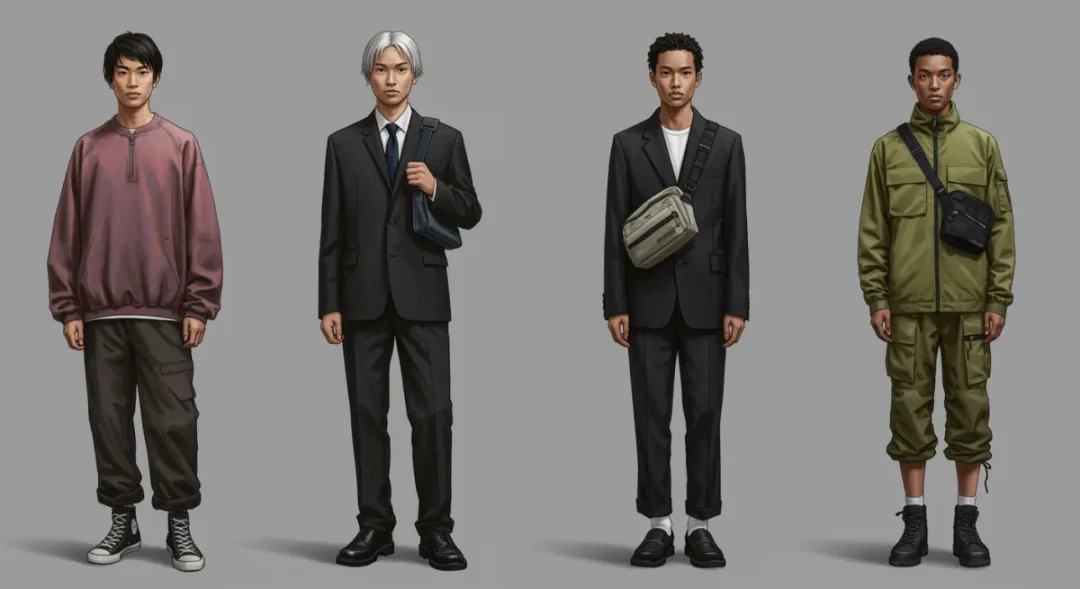
Gen Z fashion is poised for significant evolution by mid-2026, characterized by four core aesthetic shifts that prioritize individuality, sustainability, comfort, and digital influence in everyday wear.
As we approach mid-2026, the fashion landscape continues its dynamic evolution, with Gen Z leading the charge in defining what’s next. Understanding these shifts is crucial for anyone looking to stay current. This article delves into Decoding Gen Z Fashion: 4 Key Aesthetic Shifts Expected by Mid-2026 for Everyday Wear, offering a glimpse into the styles that will dominate wardrobes and influence culture.
The rise of comfort-centric utilitarianism
Gen Z’s approach to everyday wear increasingly prioritizes practicality without sacrificing style. This aesthetic blends functional design with a relaxed fit, reflecting a generation that values comfort and versatility in their clothing choices. It’s about pieces that can transition seamlessly from a casual outing to a creative workspace.
This shift isn’t merely about oversized garments; it’s a thoughtful integration of durable fabrics, adjustable features, and a neutral color palette that allows for easy mixing and matching. The focus is on longevity and ease, moving away from fast fashion’s fleeting trends towards a more considered wardrobe.
Key elements of utilitarian comfort
Several design components are central to this evolving aesthetic. These elements ensure clothing is not only comfortable but also highly adaptable to various situations and personal styles.
- Durable, natural fabrics: Emphasis on cotton, linen, and hemp for breathability and longevity.
- Adjustable features: Drawstrings, elastic waistbands, and convertible elements for personalized fit.
- Neutral color palettes: Earth tones, grays, and muted colors that offer versatility and timeless appeal.
- Multi-functional pockets: Practical storage solutions integrated into design for everyday convenience.
The appeal lies in its understated sophistication. It’s a rebellion against overly structured or restrictive clothing, embracing a fluid silhouette that allows for movement and self-expression. This aesthetic is a testament to Gen Z’s desire for clothing that supports their active lifestyles while remaining effortlessly chic.
Ultimately, comfort-centric utilitarianism represents a mature step in Gen Z’s fashion journey. It’s about building a wardrobe of essential pieces that are both sustainable and stylish, reflecting a conscious consumer who values both form and function.
Sustainable minimalism: less is truly more
The environmental consciousness of Gen Z is profoundly influencing their fashion choices, leading to a strong embrace of sustainable minimalism. This aesthetic is characterized by high-quality, ethically produced garments that are designed to last, reducing waste and promoting responsible consumption. It’s a rejection of disposable fashion in favor of timeless pieces.
Sustainable minimalism isn’t just about buying fewer items; it’s about making deliberate choices about where and how those items are made. Transparency in the supply chain, fair labor practices, and eco-friendly materials are paramount, reflecting a deep commitment to ethical consumption.
The principles guiding sustainable choices
This aesthetic is built upon a foundation of core values that prioritize planetary and social well-being. These principles guide purchasing decisions and shape the overall look.
- Ethical production: Supporting brands with transparent labor practices and fair wages.
- Eco-friendly materials: Opting for organic cotton, recycled polyester, and innovative sustainable textiles.
- Longevity and durability: Investing in high-quality garments that withstand the test of time.
- Versatile capsule wardrobes: Curating a collection of interchangeable pieces for various occasions.
The aesthetic itself is clean, uncluttered, and sophisticated. Think classic silhouettes, refined textures, and a limited color palette that allows for effortless mixing and matching. Each piece is chosen for its quality, versatility, and alignment with personal values, creating a wardrobe that is both stylish and conscientious.
This movement signifies a powerful shift towards mindful consumption. Gen Z is not only demanding better from brands but also actively participating in creating a more sustainable fashion ecosystem through their purchasing power and advocacy.
Digital maximalism and hyper-personalization
In stark contrast to minimalism, digital maximalism is emerging as a vibrant aesthetic, fueled by online culture and the desire for hyper-personalization. This trend celebrates bold colors, eclectic patterns, and unique digital-inspired motifs, often with a playful, experimental edge. It’s about expressing individuality loudly and proudly, leveraging digital tools for inspiration and creation.
This aesthetic is heavily influenced by gaming, virtual reality, and social media filters, translating virtual aesthetics into tangible clothing. It’s a space where traditional fashion rules are broken, and personal expression reigns supreme, often incorporating custom-made or upcycled pieces.
Influences and expressions of digital maximalism
The digital realm provides endless inspiration for this aesthetic, allowing for unprecedented levels of customization and self-expression. It’s a playground for creativity.
- Gaming culture aesthetics: Bright colors, futuristic designs, and character-inspired elements.
- Virtual fashion integration: Translating digital textures and patterns into physical garments.
- AI-generated prints: Unique, intricate designs created with artificial intelligence.
- Customization and upcycling: Personalizing clothes through DIY methods, patches, and embellishments.
Digital maximalism thrives on visual impact and storytelling. Each outfit becomes a canvas for self-expression, often incorporating elements that are meaningful to the individual, from memes to personal art. It’s a testament to Gen Z’s comfort with blurring the lines between their online and offline identities.
This trend is not about following a uniform look but about curating a unique visual narrative. It encourages experimentation, pushing boundaries, and using fashion as a powerful tool for self-discovery and connection within digital communities.
Retro-futurism and nostalgic reinterpretation
Gen Z is skillfully blending elements from past decades with a futuristic twist, creating a captivating retro-futuristic aesthetic. This trend involves reinterpreting classic silhouettes and styles through a modern lens, often incorporating innovative materials, updated cuts, and a fresh color palette. It’s a nostalgic nod to eras like the 70s, 90s, and early 2000s, but with a distinct forward-looking perspective.
This aesthetic is more than just a simple revival; it’s a creative dialogue between different time periods. It acknowledges the cyclical nature of fashion while injecting contemporary sensibilities, making old new again in unexpected ways.
Key characteristics of retro-futuristic style
The fusion of past and future manifests in several distinct ways, creating a cohesive yet diverse aesthetic that resonates with Gen Z’s appreciation for history and innovation.
- Modernized vintage silhouettes: Updating classic cuts with contemporary fabrics or details.
- Tech-inspired accents: Incorporating metallic finishes, neon colors, or structural elements.
- Reimagined patterns: Giving retro prints a fresh, often abstract or digital, interpretation.
- Layering and texture play: Combining different eras and materials for a unique look.
The appeal of retro-futurism lies in its ability to offer both comfort in familiarity and excitement in novelty. It allows Gen Z to connect with cultural touchstones of the past while simultaneously expressing their vision for the future. This approach fosters a sense of timelessness, creating pieces that feel both classic and cutting-edge.
This trend highlights Gen Z’s creative dexterity, their ability to draw inspiration from a wide range of sources and synthesize them into something entirely new. It’s a playful and intelligent way of engaging with fashion history while charting new stylistic territories.
Gender-neutral fluidity and expressive individuality
A significant and overarching shift in Gen Z fashion is the increasing embrace of gender-neutral fluidity. This aesthetic blurs traditional lines between masculine and feminine clothing, advocating for styles that are inclusive and allow for expressive individuality, irrespective of gender identity. It’s about wearing what feels authentic and comfortable, rather than conforming to predefined societal norms.
This movement is deeply rooted in Gen Z’s broader social values, which prioritize authenticity, self-expression, and inclusivity. Fashion becomes a tool to challenge conventions and celebrate the diversity of individual identities.
Manifestations of gender-neutral fashion
The practical application of gender-neutrality in fashion is visible in several key areas, impacting both design and consumption habits. It’s about opening up possibilities for everyone.
- Oversized and relaxed fits: Garments designed to fit a variety of body types without specific gender connotations.
- Shared wardrobes: The concept of clothing being interchangeable between partners or friends regardless of gender.
- Androgynous silhouettes: Designs that do not emphasize traditional gendered body shapes.
- Beyond traditional color palettes: Moving past gender-assigned colors to a broader spectrum of hues.
The impact of gender-neutral fluidity extends beyond clothing design; it influences how fashion is marketed, perceived, and consumed. Brands are increasingly creating collections that are not labeled by gender, and consumers are actively seeking out pieces that resonate with their personal style, free from restrictive categories.
This aesthetic underscores Gen Z’s commitment to creating a more inclusive world. Fashion, in this context, is not just about what you wear, but what it represents – freedom, acceptance, and the celebration of every individual’s unique identity.
The influence of social media on aesthetic acceleration
Social media platforms continue to be the primary catalyst for the rapid evolution of Gen Z fashion aesthetics. TikTok, Instagram, and Pinterest act as powerful engines, accelerating trends, fostering niche communities, and providing a global stage for individual style expression. The visual-first nature of these platforms means trends can emerge, spread, and transform at an unprecedented pace.
This constant influx of inspiration and peer validation empowers Gen Z to experiment with diverse looks, often blending elements from multiple aesthetics to create something entirely new and personal. The democratic nature of social media also means that trends can originate from anywhere, not just traditional fashion capitals.
How social media shapes Gen Z fashion
The mechanisms through which social media impacts fashion are multifaceted, ranging from content creation to community building. It’s a dynamic ecosystem that constantly reinvents itself.
- Trend dissemination: Rapid sharing of new styles and aesthetic ideas across global audiences.
- Niche community building: Platforms for like-minded individuals to share and refine specific looks.
- Influencer marketing: Personalities shaping tastes and promoting emerging brands or styles.
- DIY and customization inspiration: Tutorials and ideas for personalizing clothing and accessories.
The ephemeral nature of social media trends also encourages a more fluid approach to personal style. Gen Z is comfortable with adapting their looks, trying out different aesthetics, and using fashion as a form of playful self-exploration. This constant evolution keeps the fashion landscape exciting and unpredictable.
Ultimately, social media has transformed fashion from a top-down industry to a more decentralized, user-driven phenomenon. Gen Z, armed with their smartphones, are both consumers and creators of the next big thing, making the future of fashion an endlessly fascinating space.
| Aesthetic Shift | Brief Description |
|---|---|
| Comfort-Centric Utilitarianism | Functional, comfortable designs with versatile, durable fabrics and neutral palettes. |
| Sustainable Minimalism | Ethically produced, high-quality garments focused on longevity and reduced waste. |
| Digital Maximalism | Bold colors, eclectic patterns, and unique digital-inspired motifs for hyper-personalization. |
| Retro-Futurism | Reinterpreting vintage styles with modern materials and futuristic elements. |
Frequently asked questions about Gen Z fashion
What drives Gen Z’s preference for comfort-centric utilitarianism?▼Gen Z values clothing that is versatile, durable, and allows for freedom of movement. Their active lifestyles and desire for practicality influence this preference, seeking garments that can easily transition between different activities without compromising style or comfort.
How does sustainability impact Gen Z’s fashion choices?▼Sustainability is a core concern for Gen Z, leading them to prioritize ethical production, eco-friendly materials, and longevity in their clothing. They actively seek brands with transparent practices and invest in high-quality items to reduce their environmental footprint and promote responsible consumption.
What is digital maximalism and why is it popular with Gen Z?▼Digital maximalism is an aesthetic characterized by bold colors, eclectic patterns, and digital-inspired motifs, often influenced by gaming and online culture. It’s popular because it allows Gen Z to express hyper-personalization and individuality, leveraging digital tools for unique stylistic expressions.
How does retro-futurism manifest in Gen Z’s everyday wear?▼Retro-futurism blends elements from past decades (like the 70s or 90s) with modern, innovative twists. Gen Z reinterprets classic silhouettes with new materials, updated cuts, and contemporary color palettes, creating a style that is both nostalgic and forward-looking, offering a fresh perspective on vintage.
What role does social media play in accelerating Gen Z fashion trends?▼Social media platforms like TikTok and Instagram are crucial for Gen Z fashion. They act as trend accelerators, fostering niche communities, and providing a global stage for individual style expression. The visual-first nature of these platforms allows trends to emerge and spread at an unprecedented pace, influencing diverse aesthetic choices.
Conclusion
The landscape of Gen Z fashion is a vibrant tapestry woven from diverse threads of comfort, consciousness, digital influence, and historical reimagination. By mid-2026, the four key aesthetic shifts discussed—comfort-centric utilitarianism, sustainable minimalism, digital maximalism, and retro-futurism—will not only define everyday wear but also reflect the evolving values of a generation committed to authenticity, inclusivity, and mindful consumption. These trends highlight a dynamic approach to personal style, where self-expression and ethical considerations are paramount, constantly reshaped by the powerful currents of social media and individual creativity.