Investment Pieces 2025: High-Value Fashion & 20% Annual Savings
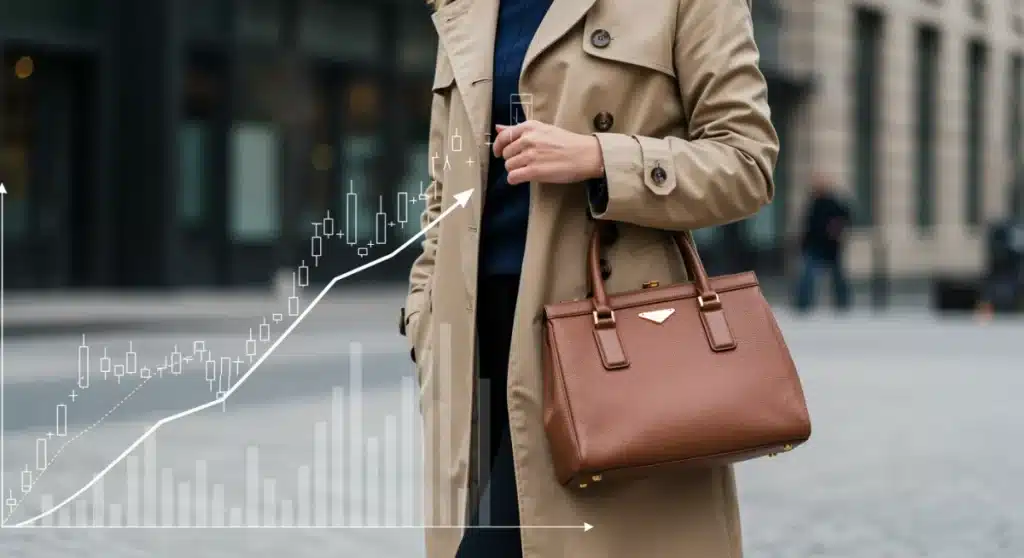
Investing in fashion pieces for 2025 means strategically selecting high-quality, versatile items that retain or increase value, enabling significant annual savings and a more sustainable wardrobe.
In the rapidly evolving world of fashion, making smart choices about what you buy can transform your wardrobe from a transient collection of trends into a curated selection of lasting assets. Focusing on investment pieces for 2025 isn’t just about owning luxury; it’s about understanding how to identify high-value fashion staples that offer enduring style and significant financial returns, potentially saving you up to 20% annually.
Understanding the ‘Investment’ in Fashion
When we talk about fashion as an investment, we’re not just referring to items that appreciate in monetary value, like rare vintage bags. We’re also considering pieces that offer exceptional longevity, versatility, and a timeless appeal that transcends seasonal trends. These items reduce the need for frequent replacements, saving you money in the long run and minimizing your environmental footprint.
The concept extends beyond mere cost per wear; it encompasses the overall impact on your personal style and financial well-being. A true investment piece simplifies your daily dressing, boosts your confidence, and often holds a higher resale value compared to fast fashion alternatives. It’s a strategic approach to building a wardrobe that serves you for years, not just a season.
The Shift Towards Conscious Consumption
The fashion industry is witnessing a significant shift. Consumers are increasingly prioritizing quality, sustainability, and ethical production over fleeting trends. This conscious consumption fuels the demand for well-made, durable goods. Investing in fashion aligns perfectly with this movement, advocating for fewer, better items.
- Durability: High-quality materials and craftsmanship ensure garments last longer.
- Timelessness: Classic designs remain stylish across different eras.
- Versatility: Pieces that can be styled in multiple ways for various occasions.
- Resale Value: Certain brands and items maintain a strong market value on resale platforms.
Ultimately, understanding the ‘investment’ in fashion means recognizing that while the initial outlay might be higher, the long-term benefits—both financial and stylistic—far outweigh the immediate cost. It’s about smart spending that pays dividends in both your wallet and your wardrobe for 2025 and beyond.
Identifying High-Quality Materials and Craftsmanship
The foundation of any true fashion investment lies in its materials and the quality of its construction. Discerning these elements is crucial for ensuring longevity and enduring appeal. Skimping on material quality often leads to premature wear and tear, negating any perceived initial savings.
Natural fibers generally offer superior durability, breathability, and feel compared to most synthetics. However, advancements in synthetic textiles mean some blends can also offer excellent performance and longevity, especially when combined with careful craftsmanship.
Fabrics to Prioritize
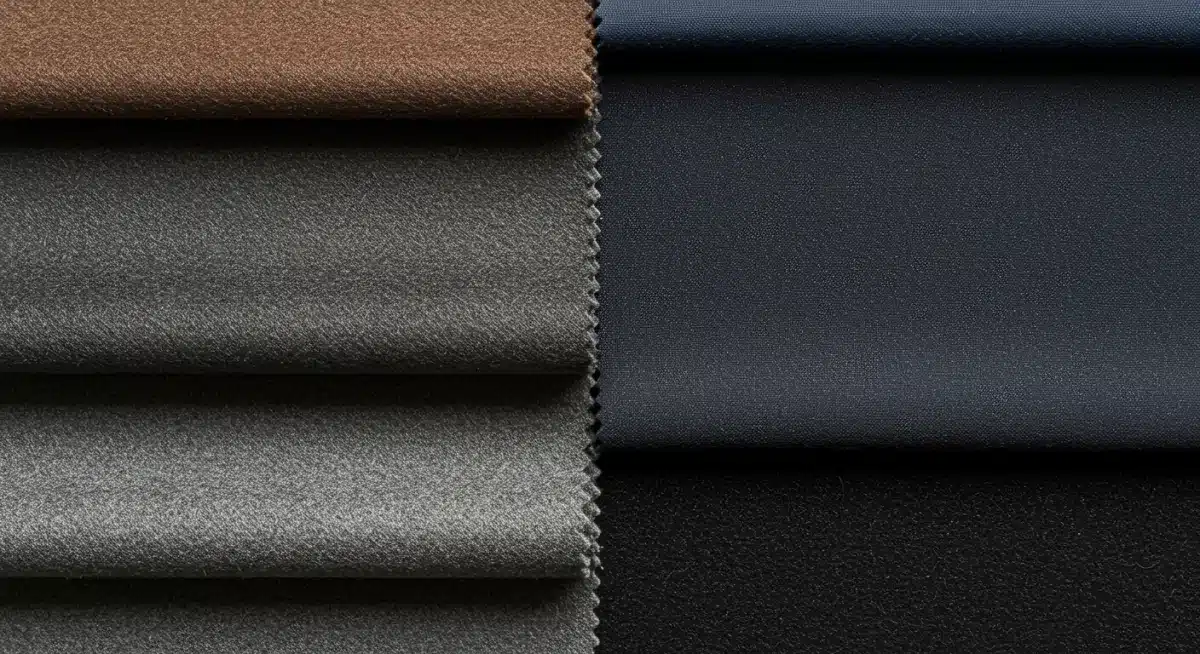
When evaluating potential investment pieces, pay close attention to the fabric composition. High-quality natural fibers are often the best choice for garments intended to last. These materials not only age gracefully but also tend to be more comfortable and environmentally friendly.
- Cashmere: Known for its softness, warmth, and lightweight feel. Look for tightly woven, long-fiber cashmere.
- Merino Wool: Excellent for temperature regulation, odor resistance, and durability. Ideal for sweaters, socks, and activewear.
- Silk: Luxurious, strong, and breathable. Best for blouses, scarves, and elegant dresses.
- Linen: Highly durable, absorbent, and breathable, perfect for warm climates. It softens beautifully with age.
- High-Quality Cotton: Opt for Pima or Egyptian cotton for superior strength and softness in shirts and denim.
Beyond the fabric itself, examine the construction. Look for even, tight stitching, reinforced seams, and well-finished buttonholes. Zippers should glide smoothly, and buttons should be securely attached. These details are hallmarks of superior craftsmanship that contribute significantly to a garment’s lifespan. A piece with impeccable construction will not only last longer but also maintain its shape and appearance, making it a more reliable part of your wardrobe for years to come. This attention to detail is paramount when selecting investment pieces for 2025.
Timeless Styles vs. Fleeting Trends
The distinction between timeless styles and fleeting trends is perhaps the most critical factor in identifying true investment pieces. Trends come and go, often leaving behind garments that quickly look dated. Timeless styles, however, possess an inherent elegance and versatility that allows them to remain relevant season after season, year after year.
Focusing on classic silhouettes and neutral color palettes ensures your investment pieces can be easily integrated into any wardrobe and styled for various occasions. These items form the backbone of a sophisticated and adaptable personal style, reducing the pressure to constantly update your look based on ephemeral fads.
Key Timeless Wardrobe Staples
Building a wardrobe around these staples means you’ll always have something appropriate and stylish to wear, regardless of the current fashion climate. They are the workhorses of your closet, offering maximum utility and longevity.
- The Classic Trench Coat: A versatile outerwear piece that transcends seasons and occasions.
- Well-Tailored Blazer: Elevates any outfit, suitable for both professional and casual settings.
- White Button-Down Shirt: An essential that can be dressed up or down with ease.
- Dark Wash Jeans: A foundational casual item that offers endless styling possibilities.
- Little Black Dress (LBD): The ultimate go-to for evening events and special occasions.
- Leather Loafers or Pumps: Comfortable, stylish footwear that never goes out of fashion.
While it’s tempting to dabble in new trends, true investment pieces prioritize enduring design over novelty. By choosing items that have proven their staying power over decades, you ensure your wardrobe remains elegant and functional without constant expenditure. This approach to fashion for 2025 not only saves money but also cultivates a more refined personal aesthetic. It’s about making smart choices that continue to serve you well into the future, providing a solid foundation for any outfit you choose.
Assessing Brand Reputation and Resale Value
The brand behind a fashion item often plays a significant role in its status as an investment piece. Established brands with a history of quality, ethical practices, and strong design aesthetics tend to produce items that hold their value better over time. This isn’t solely about luxury labels; it also includes brands known for their exceptional craftsmanship and durable goods, regardless of their price point.
Beyond initial quality, the potential for resale is a key indicator of an item’s investment potential. Certain brands and specific models are highly sought after in the secondary market, allowing you to recoup a significant portion of your initial investment if you decide to sell them later. This financial consideration can greatly impact your annual savings.
Brands Known for Investment Potential
Researching brands with a track record of producing high-quality, timeless pieces is essential. These brands often use superior materials and employ skilled artisans, ensuring their products withstand the test of time both physically and stylistically. Their enduring appeal often translates into higher demand on the resale market.
- Hermès: Iconic bags like the Birkin and Kelly consistently appreciate in value.
- Chanel: Classic flap bags and tweed jackets are perennial favorites.
- Louis Vuitton: Monogram canvas bags and luggage maintain strong resale demand.
- Rolex: While not clothing, their watches are prime examples of appreciating luxury goods.
- Burberry: Their trench coats are a classic investment in outerwear.
However, investment potential isn’t limited to ultra-luxury brands. Mid-range brands known for exceptional quality in specific categories, such as R.M. Williams for boots or Loro Piana for cashmere, can also offer excellent value retention. Always consider the brand’s reputation for durability, design, and its standing within the resale market. A strong brand reputation not only guarantees quality but also provides a safety net for your investment, making it easier to sell if your needs or style preferences change. This careful assessment of brand and resale value is a smart financial move for anyone looking to optimize their wardrobe for 2025.
Strategic Shopping: Maximizing Savings and Value
Acquiring investment pieces doesn’t always mean paying full price. Strategic shopping involves understanding when and where to buy to maximize your savings without compromising on quality. This approach allows you to build a high-value wardrobe more affordably, contributing directly to the potential 20% annual savings.
Patience and research are your best allies. Instead of impulsive purchases, plan your acquisitions, keeping an eye out for sales, discounts, and reputable pre-owned markets. This thoughtful process ensures that each addition to your wardrobe is a considered investment rather than a fleeting indulgence.
Tips for Smart Acquisition
Smart shopping extends beyond just finding a good deal; it’s about understanding the market, timing your purchases, and leveraging various platforms to your advantage. By adopting these strategies, you can significantly reduce the cost of building an investment-worthy wardrobe.
- Seasonal Sales: Take advantage of end-of-season sales for classic items that won’t go out of style.
- Outlet Stores: Some high-end brands have outlet stores where you can find past-season items at a discount. Verify quality as some items are made specifically for outlets.
- Pre-Owned Marketplaces: Websites like The RealReal, Vestiaire Collective, and Fashionphile offer authenticated luxury items at a fraction of their original price.
- Consignment Shops: Local consignment stores can be treasure troves for unique, high-quality pieces.
- Repair and Maintenance: Factor in the cost and ease of repair. A well-maintained investment piece lasts longer and retains value.
By employing these strategic shopping techniques, you not only save money but also contribute to a more sustainable fashion ecosystem by extending the life cycle of garments. This thoughtful approach to buying ensures that your wardrobe for 2025 is not only stylish and durable but also financially savvy, helping you achieve substantial annual savings through conscious consumption.
The Financial Impact: Saving Up to 20% Annually
The most compelling argument for investing in fashion pieces is the significant financial impact it can have, potentially saving you up to 20% annually on your clothing budget. This saving isn’t achieved by spending less overall, but by spending smarter. By reducing the frequency of purchases and extending the lifespan of your wardrobe, you avoid the constant cycle of buying, discarding, and replacing.
Consider the true cost of fast fashion: cheap items that quickly fall apart or go out of style. While each item may be inexpensive, the cumulative cost over a year can be substantial. Investment pieces, though higher in initial price, spread their cost over many years, drastically lowering your cost per wear and minimizing overall expenditure.
Calculating Your Savings
To visualize the financial benefits, consider the following scenario. If you spend $1,000 annually on fast fashion, constantly replacing items. By shifting to investment pieces, you might spend $1,500 initially, but these items could last 5-10 years. This means your annual expenditure on clothing drops dramatically after the initial investment. The key is to see your wardrobe as an asset, not a liability.
- Reduced Replacement Costs: Fewer purchases mean less money spent on new items.
- Higher Resale Value: Recoup a portion of your investment by selling well-maintained pieces.
- Less Impulse Buying: A curated wardrobe reduces the urge to chase fleeting trends.
- Improved Cost Per Wear: High-quality items worn hundreds of times become incredibly cost-effective.
- Sustainable Choices: Less waste, better for the planet and your wallet in the long term.
The 20% annual saving is an attainable goal for those who commit to a strategic, investment-focused approach to fashion. It requires a shift in mindset from quantity to quality, prioritizing longevity and timelessness. By making informed decisions about materials, craftsmanship, brand reputation, and strategic shopping, you can build a wardrobe that is both stylish and economically sound for 2025 and beyond. This financial discipline not only frees up funds for other priorities but also fosters a more sustainable and satisfying relationship with your personal style.
Caring for Your Investment Pieces
Once you’ve carefully selected your high-value fashion investment pieces, the next crucial step is ensuring they receive proper care and maintenance. This isn’t just about preserving their aesthetic appeal; it’s about extending their lifespan, maintaining their quality, and ultimately protecting your financial investment. Proper care can significantly increase the longevity of your garments, making them true multi-year assets in your wardrobe.
Neglecting care can quickly diminish the value and appearance of even the highest quality items, forcing premature replacements and undermining your efforts to save money. Understanding the specific needs of different materials and following best practices for storage and cleaning are paramount.
Essential Care Practices
Each material has unique care requirements, and adhering to them is vital. Always check garment labels for specific instructions, but general guidelines can help you maintain the integrity of your investment pieces, ensuring they look pristine for years to come.
- Read Care Labels: Always follow manufacturer washing and drying instructions carefully.
- Gentle Cleaning: Opt for hand washing or delicate cycles for sensitive fabrics like silk and cashmere. Use appropriate detergents.
- Professional Dry Cleaning: For structured garments like blazers and specific materials, trust reputable dry cleaners.
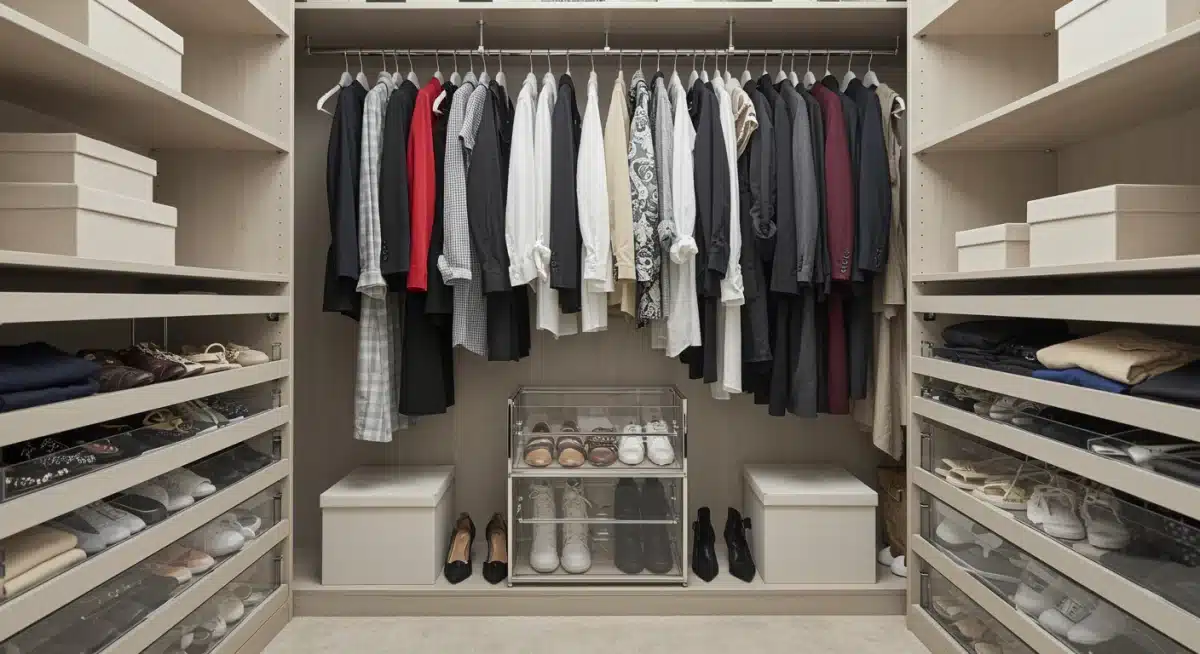
- Proper Storage: Store clothes on appropriate hangers (padded for delicate items), in breathable garment bags, and away from direct sunlight. Fold knitwear to prevent stretching.
- Prompt Repairs: Address small tears, loose buttons, or broken zippers immediately to prevent further damage.
- Regular Maintenance: Brush wool coats, polish leather goods, and air out garments between wears to reduce washing frequency.
By implementing these diligent care practices, you actively protect your fashion investments, ensuring they continue to serve you well and look impeccable for many years. This proactive approach to maintenance is an integral part of making smart fashion choices for 2025, maximizing the return on your investment and cementing your annual savings. Proper care is not an option; it’s a necessity for any true investment piece.
| Key Aspect | Description for Investment |
|---|---|
| Material Quality | Prioritize natural fibers like cashmere, silk, and high-grade cotton for durability and feel. |
| Timeless Design | Choose classic silhouettes and neutral colors over fleeting trends for enduring style. |
| Brand & Resale | Invest in reputable brands with strong resale value to recoup costs. |
| Care & Maintenance | Proper cleaning and storage extend lifespan, protecting your financial outlay. |
Frequently Asked Questions About Fashion Investment Pieces
A fashion investment piece is a high-quality, durable item with timeless appeal that retains its value over time, often offering versatility in styling and potentially a good resale value. It reduces the need for frequent replacements, contributing to long-term savings and a more sustainable wardrobe.
By buying fewer, higher-quality items that last longer, you reduce the need for constant replacements, thereby cutting down on overall expenditure. The higher cost per wear of investment pieces, coupled with potential resale value, minimizes your annual fashion budget significantly compared to frequent fast fashion purchases.
For optimal durability and longevity, prioritize natural fibers such as cashmere, merino wool, silk, high-quality cotton (like Pima or Egyptian), and linen. These materials are known for their strength, breathability, and ability to age gracefully, making them ideal for investment pieces.
While many luxury brands offer excellent investment potential due to their quality and resale value, not all expensive items are good investments. Focus on a brand’s reputation for craftsmanship, timeless design, and proven demand in the resale market, rather than just the price tag or brand name alone.
Reputable online marketplaces like The RealReal, Vestiaire Collective, Fashionphile, and local high-end consignment shops are excellent sources for authenticated pre-owned investment pieces. These platforms often offer significant discounts on items that are still in excellent condition, maximizing your savings.
Conclusion
Embracing the strategy of investing in fashion pieces for 2025 is more than just a trend; it’s a smart, sustainable, and financially savvy approach to building a wardrobe. By prioritizing quality materials, timeless designs, reputable brands, and diligent care, you can curate a collection of garments that not only elevate your personal style but also deliver tangible financial benefits. The potential to save up to 20% annually by shifting from fast fashion to thoughtful investments underscores the economic wisdom of this approach. Ultimately, a wardrobe built on investment pieces is a testament to conscious consumption, offering enduring style, superior quality, and a healthier financial outlook for years to come.
