Supply Chain Disruptions 2026: 60% Fashion Imports at Risk
Advertisements
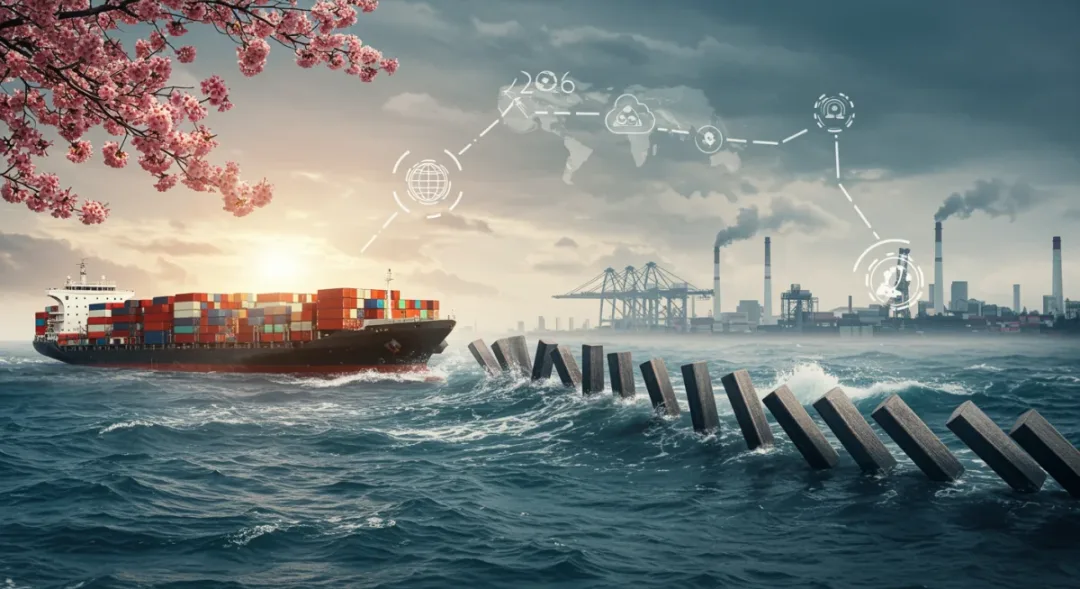
Major supply chain disruptions are forecast for Spring 2026, threatening up to 60% of fashion imports, driven by geopolitical instability, climate change, and evolving trade policies, necessitating proactive strategies for businesses.
An urgent warning has been issued: a significant forecast indicates that major supply chain disruptions forecast for Spring 2026 could affect 60% of fashion imports. This isn’t merely a minor hiccup but a potential seismic shift impacting everything from high-end couture to everyday apparel, demanding immediate attention from industry leaders and consumers alike. How prepared are we for such an extensive impact?
The Looming Storm: Understanding the 2026 Forecast
The global fashion industry, a complex web of production, logistics, and retail, is bracing for an unprecedented challenge. Experts are pointing to a confluence of factors that could converge by Spring 2026, creating a perfect storm for supply chains worldwide, particularly those reliant on international sourcing for fashion goods. This projection isn’t based on isolated incidents but on a comprehensive analysis of geopolitical shifts, economic indicators, and environmental trends.
Understanding the root causes of these anticipated disruptions is crucial for developing effective mitigation strategies. It’s not just about identifying the problem but dissecting its multifaceted nature to build resilience. The interconnectedness of global trade means a ripple in one region can quickly become a wave across continents, especially within the fast-paced fashion sector.
Key Drivers of Anticipated Disruption
Several critical elements are expected to fuel these widespread disruptions. These aren’t new issues but rather escalating concerns reaching a critical point. Their collective impact is what makes the 2026 forecast so alarming.
- Geopolitical Instability: Ongoing conflicts and trade disputes in key manufacturing and shipping regions are creating unpredictable environments, leading to sudden closures, rerouting, and increased costs.
- Climate Change Impacts: Extreme weather events, such as severe droughts, floods, and storms, are increasingly disrupting agricultural production (for natural fibers) and damaging infrastructure vital for transportation.
- Evolving Trade Policies and Tariffs: Shifting governmental regulations, new tariffs, and protectionist measures can abruptly alter sourcing strategies and increase import expenses, making long-term planning difficult.
- Labor Shortages and Social Unrest: Disruptions in labor markets, whether due to health crises, demographic shifts, or social unrest, can halt production and logistics operations in critical supply hubs.
The convergence of these drivers suggests that businesses cannot afford to rely on traditional risk management approaches. A more dynamic and adaptive strategy is essential to navigate the complexities of the forthcoming period. The fashion industry, with its seasonal demands and rapid trend cycles, is particularly vulnerable to these external pressures, making timely preparation paramount.
Geopolitical Tensions and Trade Wars: A Volatile Mix
Geopolitical tensions are a primary catalyst for the predicted supply chain upheaval. The delicate balance of international relations can be easily upset, leading to significant consequences for global trade. When major economic powers engage in disputes, the ripple effects are felt across industries, with fashion being particularly exposed due to its extensive international production networks.
Trade wars, characterized by tariffs and retaliatory measures, complicate sourcing decisions and inflate costs. Companies might find their established supply routes suddenly uneconomical or even inaccessible. This forces a rapid re-evaluation of manufacturing locations and supplier relationships, a process that is both costly and time-consuming. The uncertainty alone can deter investment and hinder growth.
Impact on Sourcing and Production Hubs
Many fashion brands rely heavily on a few concentrated manufacturing hubs. When these regions become centers of geopolitical friction, the entire supply chain becomes vulnerable. Factories may face operational challenges, shipping routes could be disrupted, and the flow of raw materials could be severely constrained.
- Diversification Challenges: While diversifying sourcing is a common strategy, finding new suppliers that meet quality, ethical, and cost requirements takes time and significant investment.
- Increased Lead Times: Political instability often leads to longer shipping delays and customs challenges, pushing lead times beyond acceptable limits for fast-fashion cycles.
- Compliance Risks: Navigating complex and rapidly changing international trade laws, sanctions, and regulatory frameworks becomes a major headache, exposing companies to compliance risks.
The fashion industry’s reliance on specific regions for specialized manufacturing, such as textiles or intricate embellishments, further exacerbates this vulnerability. A disruption in one such hub can have a disproportionate impact on the final product and its availability. Proactive engagement with geopolitical intelligence and flexible sourcing models will be key to mitigating these risks.
Climate Change: The Unpredictable Disruptor
Climate change is no longer a distant threat; its immediate and escalating impacts are directly affecting global supply chains. For the fashion industry, this translates into disruptions at every stage, from the cultivation of natural fibers to the transportation of finished goods. The increasing frequency and intensity of extreme weather events are making traditional supply chain planning models obsolete.
Consider cotton, a staple fiber in fashion. Droughts can decimate harvests, while excessive rainfall can ruin crops and delay processing. Similarly, the infrastructure needed for transportation – ports, roads, and railways – is increasingly vulnerable to floods, hurricanes, and wildfires. These events cause physical damage, leading to closures, delays, and significant repair costs, all of which trickle down to the consumer.
Environmental Risks to Fashion’s Life Cycle
The fashion supply chain is inherently linked to environmental conditions. From raw material extraction to manufacturing and distribution, each phase faces distinct climate-related challenges.
- Raw Material Scarcity: Water scarcity affects cotton and other natural fiber production, while extreme temperatures can impact synthetic material manufacturing processes.
- Logistics Bottlenecks: Rising sea levels threaten coastal ports, and extreme weather events disrupt air and land freight, creating bottlenecks and increasing shipping costs and times.
- Operational Interruptions: Factories in vulnerable regions face power outages, water shortages, and direct damage from storms, leading to production halts and missed deadlines.
Businesses must integrate climate risk assessment into their long-term strategies. This includes investing in climate-resilient infrastructure, exploring alternative sustainable materials, and developing contingency plans for weather-related disruptions. The fashion industry’s significant environmental footprint also means it has a responsibility to address climate change actively, not just reactively.
Economic Shifts and Consumer Behavior
Beyond geopolitical and environmental factors, evolving economic landscapes and shifts in consumer behavior are also poised to contribute to supply chain instability. Economic downturns, inflation, and changes in disposable income directly influence demand for fashion products, creating unpredictability for manufacturers and retailers. When consumer spending patterns shift rapidly, supply chains struggle to adapt, leading to either overstocking or shortages.
Furthermore, the rise of e-commerce has fundamentally altered consumer expectations, demanding faster delivery and greater transparency. This puts immense pressure on logistics networks, which are already strained by global events. The “buy now, get it tomorrow” mentality is difficult to sustain when faced with international shipping delays and production interruptions.
The Digital Commerce Impact
The digital transformation of retail has brought both opportunities and challenges. While it offers direct access to consumers, it also exposes supply chains to new vulnerabilities.
- Demand Volatility: Online trends can emerge and fade quickly, leading to rapid fluctuations in demand that are hard for traditional supply chains to meet.
- Last-Mile Delivery Pressures: The expectation of quick, direct-to-consumer shipping requires robust and resilient local logistics networks, which are easily overwhelmed during disruptions.
- Inventory Management Complexity: Managing inventory across multiple sales channels (online, in-store, marketplaces) becomes exponentially more complex when global supply is inconsistent.
Businesses need to invest in advanced analytics and demand forecasting tools to better anticipate consumer trends and economic shifts. Building agile supply chains that can quickly pivot to new sourcing or distribution methods will be critical. Understanding and responding to the nuances of consumer behavior in an uncertain economic climate is no longer a luxury but a necessity for survival in the fashion market.
Technological Innovations and Their Double-Edged Sword
Technology offers both solutions and new challenges to the impending supply chain disruptions. While advancements in AI, automation, and data analytics promise greater efficiency and visibility, their widespread adoption also introduces new vulnerabilities, particularly in terms of cybersecurity and the digital divide. The fashion industry is increasingly leveraging technology for design, production, and logistics, making it more reliant on digital infrastructure.
For instance, sophisticated inventory management systems can optimize stock levels and reduce waste, but they are only as effective as the data they receive and the security of their networks. A cyberattack on a major logistics provider or a manufacturing facility could paralyze operations, cascading disruptions throughout the supply chain. The promise of Industry 4.0 is immense, but so are its inherent risks if not managed carefully.
Leveraging Technology for Resilience
Despite the risks, technological innovation remains a powerful tool for building more resilient supply chains. Smart investments can significantly mitigate the impact of future disruptions.
- Blockchain for Transparency: Implementing blockchain can enhance traceability of goods, providing real-time information on their journey and origin, which is crucial during disruptions.
- AI-Powered Forecasting: Artificial intelligence can analyze vast datasets to predict potential disruptions, optimize routing, and improve demand forecasting accuracy.
- Automation in Logistics: Robotics and automation in warehouses and ports can reduce reliance on manual labor, offering more consistent operations even during labor shortages or health crises.
However, the cost of adopting these technologies can be prohibitive for smaller businesses, widening the gap between large corporations and their smaller counterparts. Furthermore, ensuring the interoperability of different technological solutions across a diverse supply chain remains a significant hurdle. Strategic implementation, coupled with robust cybersecurity measures, will define the success of technology in fortifying fashion supply chains.
Strategies for Mitigation and Resilience
Given the severity of the forecast, proactive and comprehensive strategies for mitigation and resilience are paramount. Businesses cannot afford to wait until Spring 2026 to react; planning must begin now. This involves a fundamental re-evaluation of existing supply chain models, moving away from purely cost-driven approaches towards models that prioritize flexibility, transparency, and sustainability. The goal is not just to survive the disruptions but to emerge stronger and more adaptable.
One of the most critical steps is diversification – not just of suppliers, but also of manufacturing locations, transportation routes, and even raw material sources. Over-reliance on a single region or provider creates an inherent vulnerability that the upcoming disruptions are likely to expose. Building a portfolio of options, even if slightly more costly in the short term, can provide invaluable insurance against future shocks.
Building a Robust Supply Chain
Creating a truly resilient supply chain requires a multi-pronged approach that addresses various potential points of failure. It’s about building in redundancy and flexibility.
- Nearshoring and Reshoring: Exploring manufacturing closer to key markets can reduce transit times and exposure to international geopolitical risks, though it may increase production costs.
- Supplier Relationship Management: Fostering stronger, more collaborative relationships with a diverse set of suppliers can lead to better information sharing and mutual support during crises.
- Inventory Optimization: While just-in-time inventory can be efficient, a strategic buffer stock might be necessary for critical components or finished goods to weather short-term disruptions.
- Digital Twin Technology: Creating virtual models of the supply chain can help simulate different disruption scenarios and test mitigation strategies without real-world risk.
Furthermore, investing in talent development within supply chain management is crucial. Professionals equipped with analytical skills, global awareness, and adaptive problem-solving capabilities will be invaluable in navigating the complexities of the next few years. The industry must move towards a culture of continuous improvement and foresight, rather than reactive crisis management. Only through such comprehensive planning can the fashion industry hope to mitigate the significant impact of the 2026 forecast.
| Key Impact Area | Brief Description |
|---|---|
| Geopolitical Risks | Conflicts and trade disputes causing disruptions in sourcing and logistics. |
| Climate Change | Extreme weather affecting raw material production and transportation infrastructure. |
| Economic Shifts | Inflation and changing consumer behavior impacting demand and inventory management. |
| Technological Vulnerabilities | Increased reliance on digital systems brings cybersecurity risks. |
Frequently Asked Questions About Fashion Supply Chain Disruptions
What specifically is causing the 2026 fashion import disruption forecast?▼The forecast stems from a convergence of escalating geopolitical tensions, increased frequency of climate-related extreme weather events, evolving international trade policies, and shifts in global economic conditions, all impacting sourcing and logistics for fashion goods.
How will these disruptions primarily affect consumers?▼Consumers can expect higher prices due to increased production and shipping costs, fewer choices as supply becomes limited, and longer waiting times for certain fashion items. Seasonal collections may also experience significant delays or cancellations.
What can fashion businesses do to prepare for Spring 2026?▼Businesses should diversify suppliers, explore nearshoring/reshoring options, invest in resilient logistics, implement advanced demand forecasting, and build strategic inventory buffers. Enhancing supply chain transparency and fostering strong supplier relationships are also crucial.
Are there any positive outcomes or opportunities arising from these challenges?▼Paradoxically, these disruptions could accelerate innovation in sustainable sourcing, promote local manufacturing, and foster greater supply chain transparency. Brands focusing on adaptability and ethical practices may gain a competitive edge and build stronger consumer trust.
Which regions are most vulnerable to these supply chain impacts?▼Regions heavily reliant on specific manufacturing hubs, or those with extensive, complex cross-border supply chains, are particularly vulnerable. Areas prone to extreme weather events or geopolitical instability will also face heightened risks, affecting global distribution.
Conclusion
The forecast for major supply chain disruptions forecast for Spring 2026 could affect 60% of fashion imports is a stark reminder of the fragility of global trade and the interconnectedness of our world. This isn’t a problem for tomorrow; it’s a challenge that demands immediate and strategic action from every stakeholder in the fashion industry. By understanding the multifaceted drivers—from geopolitical tensions and climate change to economic shifts and technological vulnerabilities—businesses can begin to build more resilient, agile, and transparent supply chains. The path forward requires a shift from reactive problem-solving to proactive risk management, fostering innovation, and prioritizing long-term sustainability over short-term gains. Those who adapt swiftly and strategically will not only weather the impending storm but potentially redefine the future landscape of fashion. The time to act is now, transforming potential crises into opportunities for growth and resilience.