Inflationary Pressures: Apparel & Accessories Up 7% in 6 Months
Advertisements
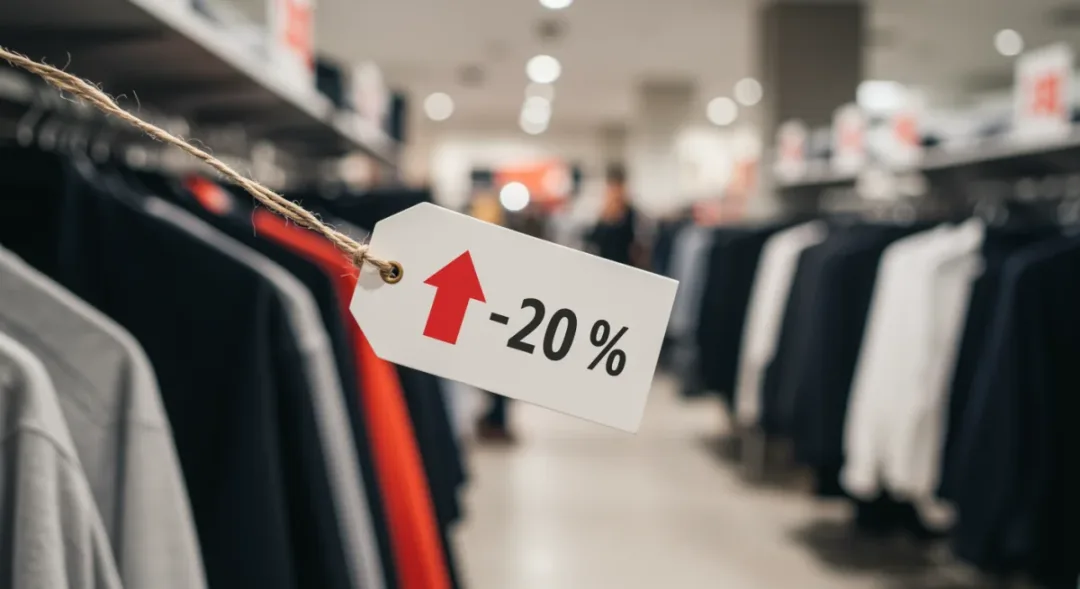
Inflationary pressures are projected to increase apparel and accessories prices by 7% in the next six months, directly impacting US household budgets and consumer spending power.
An important economic update: inflationary pressures on apparel and accessories expected to rise by 7% in the next 6 months, impacting household budgets significantly. This anticipated increase presents a considerable challenge for consumers and retailers alike, demanding a closer look at the underlying factors and potential strategies for adaptation.
understanding the current economic landscape
The global economy continues to navigate a complex environment marked by various factors contributing to persistent inflation. From supply chain disruptions to shifts in consumer demand, the forces at play are multifaceted and interconnected, exerting upward pressure on prices across numerous sectors.
For the apparel and accessories industry, this translates into higher costs at every stage of production and distribution. Understanding these broader economic trends is crucial to grasping why your next clothing purchase might come with a steeper price tag.
global supply chain challenges persist
Despite some improvements, global supply chains remain fragile. Disruptions, whether from geopolitical events, natural disasters, or labor shortages, can quickly impact the availability and cost of raw materials and finished goods.
- Increased shipping costs due to higher fuel prices and port congestion.
- Delays in manufacturing and transportation leading to inventory shortages.
- Higher production expenses from increased wages and energy costs.
These challenges create a ripple effect, where the initial cost increases at the manufacturing level are eventually passed down to the consumer.
energy costs and their broad impact
Energy prices play a pivotal role in the cost structure of nearly every industry. Higher costs for fuel, electricity, and natural gas directly affect manufacturing plants, transportation networks, and retail operations. This pervasive impact ensures that energy inflation inevitably contributes to rising prices for goods like apparel and accessories.
Ultimately, a robust understanding of the current economic landscape reveals a confluence of factors all pointing towards continued price increases in consumer goods, with apparel and accessories being particularly vulnerable.
the 7% forecast: what it means for consumers
The projection of a 7% rise in apparel and accessories prices over the next six months is not just a statistic; it represents a tangible shift in consumer purchasing power. This increase will necessitate adjustments in how households allocate their budgets, potentially leading to difficult choices.
For many, clothing and accessories are not merely discretionary items but essential components of daily life and personal expression. A significant price hike means less disposable income for other necessities or leisure activities.
direct impact on household budgets
A 7% increase can translate into hundreds of dollars annually for the average family, depending on their spending habits. This additional expenditure can strain budgets already stretched thin by inflation in other sectors like food, housing, and transportation.
- Reduced ability to save for future goals.
- Potential for delayed or forgone purchases of other essential goods.
- Increased reliance on sales and discount retailers.
Consumers will need to become more strategic in their shopping habits to mitigate the financial impact of these rising costs.
shifting consumer behavior
As prices climb, consumers typically adapt their behavior. This often involves prioritizing needs over wants, seeking out more affordable alternatives, and extending the lifespan of existing items. The expected price surge will likely accelerate these trends within the apparel and accessories market.
Retailers are already observing a move towards more conscious consumption, where quality, durability, and versatility are valued alongside price. This shift could reshape the industry’s focus, pushing brands to offer more value-driven products.
factors driving apparel price increases
Several specific elements within the apparel and accessories industry are contributing to the anticipated 7% price hike. Beyond the general economic pressures, the unique dynamics of fashion production and consumption play a crucial role in these inflationary trends.
Understanding these specific drivers helps paint a clearer picture of why this particular sector is experiencing such significant cost escalations.
rising material costs
The cost of raw materials essential for apparel production, such as cotton, wool, synthetic fibers, and leather, has seen substantial increases. Factors like adverse weather conditions impacting harvests, increased demand from other industries, and energy prices all contribute to these rising material expenses.
- Cotton prices influenced by climate change and global demand.
- Synthetic fiber costs tied to petroleum prices.
- Leather prices impacted by livestock farming costs and environmental regulations.
These material costs form the foundation of product pricing, so any upward movement here inevitably translates to higher retail prices.
labor and manufacturing expenses
Labor costs in manufacturing hubs around the world are also on an upward trajectory. As economies develop and living standards improve, wages for factory workers increase. Additionally, stricter labor laws and ethical sourcing requirements can add to production expenses.
Furthermore, the increasing adoption of sustainable and ethical manufacturing practices, while beneficial for the environment and society, often comes with higher initial production costs. These investments in more responsible processes are then reflected in the final price of goods.
strategies for managing rising costs
In the face of rising apparel and accessories prices, both consumers and businesses need to adopt proactive strategies to mitigate the impact. For consumers, this involves smart shopping and budget adjustments, while businesses must innovate to maintain profitability and customer loyalty.
Adapting to this new economic reality requires thoughtful planning and an understanding of available options.
consumer coping mechanisms
Consumers can employ several tactics to lessen the burden of increased clothing costs. Being a savvy shopper means looking beyond immediate gratification and focusing on long-term value.
- Investing in timeless, durable pieces that last longer.
- Shopping sales, clearance events, and second-hand markets.
- Prioritizing needs over wants and making fewer, more deliberate purchases.
- Exploring clothing rental services for special occasions.
These strategies not only help manage budgets but also promote a more sustainable approach to fashion consumption.
retailer and brand responses
Retailers and brands are also adapting to inflationary pressures. Some may absorb a portion of the increased costs, while others will implement strategies to offer value without compromising quality. This could involve optimizing supply chains, diversifying sourcing, or introducing more affordable product lines.
Many brands are also focusing on transparency, explaining the reasons behind price increases to maintain consumer trust. Others are exploring new business models, such as subscription services or repair programs, to add value beyond the initial purchase.
the long-term outlook for apparel and accessories
While the immediate future points to rising prices, the long-term outlook for the apparel and accessories market is subject to various evolving economic and societal trends. Understanding these broader shifts can help anticipate future market dynamics beyond the current 7% increase.
The industry is in a constant state of transformation, influenced by technology, sustainability concerns, and changing consumer values.
sustainability and ethical production
The growing emphasis on sustainability and ethical practices is a significant long-term driver in the industry. Consumers are increasingly demanding products that are environmentally friendly and produced under fair labor conditions. While these practices can initially increase costs, they also build brand loyalty and cater to a growing market segment.
Investing in sustainable materials, circular fashion models, and transparent supply chains will become standard, influencing pricing and consumer perception for years to come.
technological advancements and automation
Technological advancements, including automation in manufacturing and AI in design and supply chain management, have the potential to offset some cost increases in the long run. While initial investments can be substantial, these technologies can improve efficiency, reduce waste, and streamline operations.
- Automated textile production reducing labor costs.
- AI-driven demand forecasting minimizing overproduction.
- 3D printing for rapid prototyping and localized manufacturing.
These innovations could eventually lead to more stable or even decreasing production costs, which might translate to more competitive pricing for consumers.
impact on different market segments
The projected 7% price increase in apparel and accessories will not affect all market segments equally. Luxury brands, mid-range retailers, and discount stores will experience and respond to these inflationary pressures in distinct ways, influencing their strategies and consumer bases.
Understanding these differential impacts is crucial for both businesses and consumers navigating the evolving retail landscape.
luxury versus mass market
Luxury brands often have greater pricing power due to their exclusive nature and strong brand identity. They might absorb some costs or pass them on with less consumer resistance, as their clientele is typically less price-sensitive. The perceived value and experience associated with luxury purchases can justify higher prices.
Conversely, the mass market segment, which caters to a broader, more price-sensitive audience, will likely feel the 7% increase more acutely. These retailers may struggle to raise prices without losing customers, potentially leading to reduced profit margins or a shift towards even more budget-friendly materials and production methods.
specialty retailers and niche markets
Specialty retailers and those serving niche markets may also face unique challenges and opportunities. Their ability to differentiate through unique products, curated selections, or personalized services might provide some buffer against price sensitivity.
- Focus on unique designs and limited editions.
- Emphasis on craftsmanship and local production.
- Building strong community and brand loyalty.
However, increased costs for specialized materials or small-batch production could still force price adjustments, requiring careful communication with their dedicated customer base.
| Key Aspect | Brief Description |
|---|---|
| Price Increase Forecast | Apparel and accessories prices projected to rise by 7% within the next six months. |
| Driving Factors | Global supply chain issues, rising raw material costs, and increased labor expenses. |
| Consumer Impact | Significant strain on household budgets, requiring strategic shopping and budgeting. |
| Mitigation Strategies | Investing in quality, shopping sales, and exploring sustainable options for consumers. |
frequently asked questions about apparel inflation
Why are apparel and accessories prices rising by 7%?▼The projected 7% price increase stems from a combination of global economic factors, including persistent supply chain disruptions, rising costs for raw materials like cotton and synthetic fibers, and increased labor and manufacturing expenses across the industry. Energy costs also play a significant role.
How will this 7% increase affect my household budget?▼A 7% increase means you’ll pay more for clothing and accessories, potentially reducing your disposable income for other necessities or savings. Households may need to adjust their budgets, prioritize purchases, and seek more cost-effective shopping strategies to manage the impact.
What can consumers do to cope with higher apparel prices?▼Consumers can adopt several strategies, such as investing in durable, timeless pieces, shopping during sales or at second-hand stores, and being more mindful of their purchases. Exploring clothing rental services for special events is another way to save money.
Are all types of apparel and accessories affected equally?▼No, the impact will likely vary across market segments. Mass-market retailers and budget-friendly brands may feel the pressure more acutely, potentially struggling to maintain low prices. Luxury brands, with less price-sensitive customers, might have more flexibility in passing on costs.
What is the long-term outlook for apparel and accessories prices?▼While short-term increases are expected, long-term trends could be influenced by technology and sustainability efforts. Automation and efficient supply chains might help stabilize costs, while growing demand for ethical production could lead to higher prices for certain segments.
conclusion
The anticipated 7% rise in apparel and accessories prices over the next six months marks a significant development for consumers and the industry. Driven by a confluence of global economic pressures, supply chain complexities, and rising production costs, this inflationary trend necessitates strategic adaptation. Consumers are encouraged to practice mindful spending and explore value-driven options, while retailers must innovate to maintain competitiveness and customer loyalty. As the economic landscape continues to evolve, staying informed and adaptable will be key to navigating these financial shifts effectively.