The 2025 Guide to Plant-Based Eating: 5 Easy Recipes for a Healthier US Lifestyle
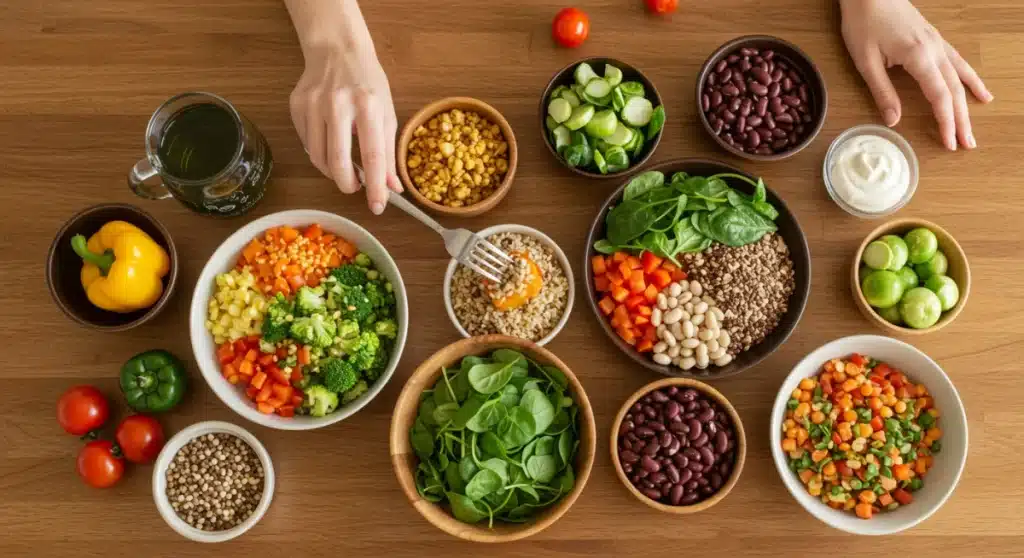
The landscape of nutrition is ever-evolving, and The 2025 Guide to Plant-Based Eating: 5 Easy Recipes for a Healthier US Lifestyle (PRACTICAL SOLUTIONS) stands as a testament to this shift. More Americans are turning to plant-centric diets, driven by health consciousness, ethical considerations, and environmental concerns. This guide is designed to demystify plant-based eating, offering accessible pathways to a lifestyle rich in flavor and vitality. It moves beyond mere dietary restrictions to present a holistic approach to well-being, emphasizing convenience and deliciousness.
Navigating the world of plant-based foods can seem daunting at first, but with the right guidance, it becomes an enjoyable culinary adventure. This article provides not just inspiration but concrete, actionable steps to incorporate more plants into your daily meals. From understanding the core principles to mastering simple recipes, we aim to equip you with the knowledge and confidence to thrive on a plant-based diet. The focus remains on practical solutions that seamlessly integrate into the busy rhythm of US life, proving that healthy eating doesn’t have to be complicated or time-consuming.
Understanding the Plant-Based Movement in 2025
The rise of plant-based eating is more than a fleeting trend; it represents a significant cultural and dietary shift in the United States. In 2025, this movement has matured, with an increasing number of individuals recognizing the profound benefits for personal health, animal welfare, and planetary sustainability. This evolution is supported by a growing body of scientific research highlighting the advantages of a diet rich in fruits, vegetables, whole grains, legumes, and nuts.
Consumers are becoming more informed, seeking out foods that offer both nutritional density and environmental responsibility. Supermarket shelves are now brimming with innovative plant-based alternatives, from dairy-free milks and yogurts to meat substitutes that mimic texture and flavor with remarkable accuracy. This accessibility makes transitioning to or maintaining a plant-based diet easier than ever before. Understanding the motivations behind this movement is crucial for anyone looking to embrace Plant-Based Eating 2025.
Key Drivers of Plant-Based Adoption
- Health Benefits: Studies consistently link plant-rich diets to reduced risks of heart disease, type 2 diabetes, certain cancers, and improved weight management.
- Environmental Impact: Plant-based diets generally have a smaller carbon footprint, requiring fewer natural resources and producing less greenhouse gas emissions.
- Ethical Concerns: A growing awareness of animal welfare in industrial agriculture prompts many to choose plant-based options.
- Culinary Innovation: The development of diverse and delicious plant-based products and recipes makes the dietary shift appealing and exciting.
The collective consciousness around food choices is shifting, making plant-based eating a mainstream and increasingly celebrated way of life. This guide aims to empower you to be a part of this positive change, offering practical steps and delicious recipes to support your journey towards a healthier, more sustainable future.
Benefits of a Plant-Centric Diet for US Lifestyles
Embracing a plant-centric diet offers a multitude of benefits specifically tailored to the demands and challenges of modern US lifestyles. Beyond the widely recognized health advantages, this way of eating can enhance energy levels, improve mental clarity, and even contribute to better sleep. For individuals navigating busy schedules, plant-based meals can be surprisingly efficient to prepare, often requiring less cooking time than traditional meat-heavy dishes.
The emphasis on whole, unprocessed foods in a plant-based diet naturally leads to a higher intake of essential vitamins, minerals, fiber, and antioxidants. These nutrients are vital for supporting overall bodily functions, boosting immunity, and protecting against chronic diseases that are prevalent in the US. Moreover, the increased fiber content promotes digestive health, a common concern for many Americans.
Tangible Advantages for Daily Living
- Increased Energy: Many report sustained energy levels throughout the day due to the steady release of glucose from complex carbohydrates found in plants.
- Improved Digestion: High fiber intake from fruits, vegetables, and whole grains aids in regular bowel movements and a healthy gut microbiome.
- Enhanced Mood: Research suggests a link between plant-rich diets and improved mood, potentially due to reduced inflammation and a healthier gut-brain axis.
- Cost-Effectiveness: Focusing on staples like legumes, grains, and seasonal produce can often be more budget-friendly than diets centered around meat and dairy.
Adopting a plant-based approach doesn’t mean sacrificing flavor or satisfaction. Instead, it opens up a world of diverse culinary experiences, encouraging creativity in the kitchen and a deeper appreciation for natural ingredients. This shift contributes not only to individual well-being but also fosters a more mindful relationship with food, aligning perfectly with the aspirations for a healthier US Lifestyle.
Essential Pantry Staples for Plant-Based Success
Building a well-stocked plant-based pantry is the cornerstone of successful and enjoyable plant-based eating. Having the right ingredients on hand streamlines meal preparation, reduces food waste, and ensures you always have options for nutritious meals. Think of your pantry as your culinary toolkit, filled with versatile items that can be combined in countless ways to create satisfying dishes. This proactive approach prevents last-minute scrambles and reliance on less healthy convenience foods.
Focus on non-perishable items that offer significant nutritional value and can form the base of many recipes. Grains, legumes, nuts, and seeds are fundamental, providing essential proteins, fibers, and healthy fats. Spices and herbs are equally important, transforming simple ingredients into flavorful masterpieces. A well-organized pantry empowers you to quickly whip up a meal, even on your busiest days.
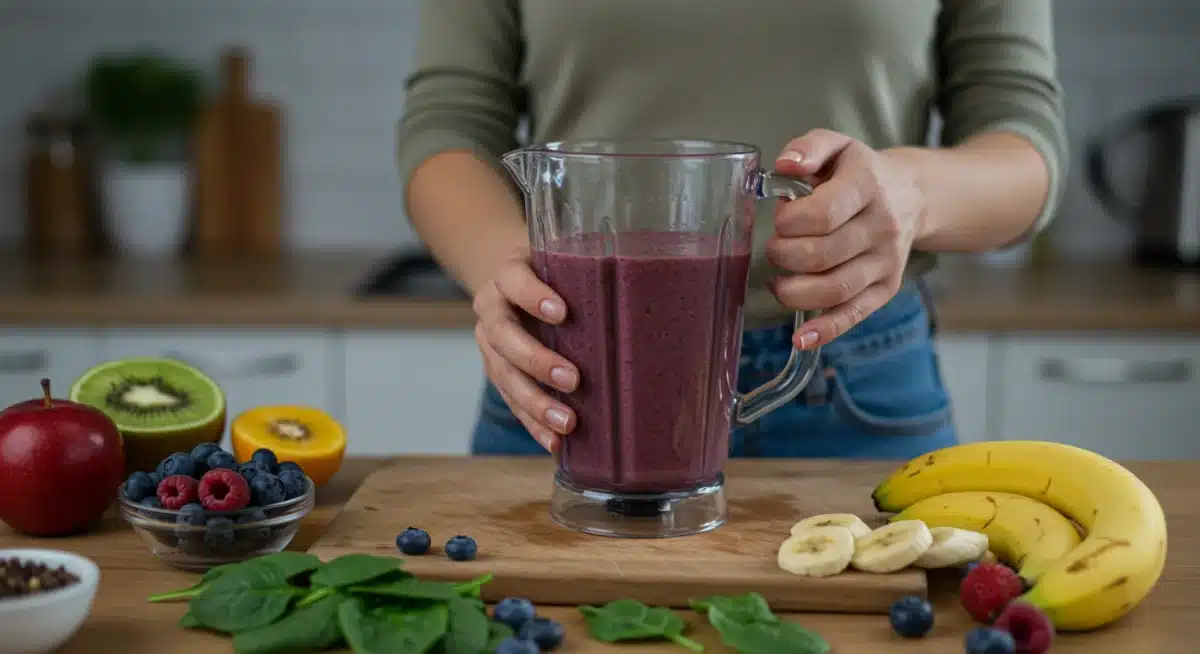
Must-Have Plant-Based Pantry Items
- Legumes: Canned or dried beans (black beans, chickpeas, lentils), providing protein and fiber for soups, stews, and salads.
- Grains: Quinoa, brown rice, oats, and whole wheat pasta for complex carbohydrates and sustained energy.
- Nuts and Seeds: Almonds, walnuts, chia seeds, flax seeds, and hemp seeds for healthy fats, protein, and Omega-3s.
- Canned Goods: Diced tomatoes, coconut milk, vegetable broth, and artichoke hearts for quick bases and flavor boosters.
- Oils and Vinegars: Olive oil, avocado oil, apple cider vinegar, and balsamic vinegar for cooking and dressings.
- Spices and Herbs: A diverse collection (cumin, turmeric, garlic powder, onion powder, dried oregano, basil) to elevate flavors.
By investing a little time in stocking your pantry, you’ll find that preparing delicious and healthy plant-based meals becomes second nature. This preparation is a key component of making The 2025 Guide to Plant-Based Eating genuinely practical for your everyday life.
Recipe 1: Quick & Easy Mediterranean Quinoa Bowl
This Mediterranean Quinoa Bowl is a perfect example of how delicious and simple plant-based eating can be. It’s packed with flavor, nutrients, and comes together in under 20 minutes, making it an ideal choice for a busy weekday lunch or a light dinner. The combination of fluffy quinoa, crisp vegetables, and tangy dressing offers a refreshing and satisfying meal that embodies the spirit of healthy Plant-Based Eating 2025.
The beauty of this recipe lies in its versatility; feel free to customize it with your favorite Mediterranean-inspired ingredients. It’s also an excellent meal-prep option, as components can be prepared in advance and assembled right before serving. This recipe demonstrates that healthy food doesn’t have to be complicated or require exotic ingredients, proving that practical solutions are at the heart of plant-based success.
Ingredients & Instructions
- Ingredients: 1 cup cooked quinoa, 1/2 cup chopped cucumber, 1/2 cup halved cherry tomatoes, 1/4 cup chopped red onion, 1/4 cup Kalamata olives, 2 tablespoons fresh parsley (chopped), 1/4 cup crumbled vegan feta (optional). For the dressing: 2 tablespoons olive oil, 1 tablespoon lemon juice, 1 clove garlic (minced), salt and pepper to taste.
- Instructions: In a large bowl, combine the cooked quinoa, cucumber, cherry tomatoes, red onion, Kalamata olives, and fresh parsley. In a small bowl, whisk together the olive oil, lemon juice, minced garlic, salt, and pepper. Pour the dressing over the quinoa mixture and toss gently to combine. If using, sprinkle with vegan feta before serving.
This vibrant bowl is not only visually appealing but also a powerhouse of nutrition, offering a balanced mix of protein, complex carbohydrates, and healthy fats. It’s a testament to the fact that healthy eating can be both quick and incredibly flavorful, making it an essential addition to your repertoire of easy plant-based meals.
Recipe 2: Hearty Lentil Shepherd’s Pie (Vegan)
For those seeking comfort food with a healthy twist, this Hearty Lentil Shepherd’s Pie is an absolute winner. It’s a robust, flavorful, and incredibly satisfying dish that proves plant-based meals can be just as fulfilling as their traditional counterparts. This recipe is perfect for cooler evenings and can easily feed a family, making it a staple for a practical US Lifestyle focused on wholesome eating. The rich, savory lentil base topped with creamy mashed potatoes is pure culinary delight.
This dish is also excellent for meal prepping, as it reheats beautifully and can even be frozen for future enjoyment. It’s a testament to how legumes, like lentils, can stand in as a fantastic protein source, absorbing flavors and providing a hearty texture. This recipe exemplifies the warmth and richness that can be achieved in plant-based cooking, offering a comforting solution for any meal.
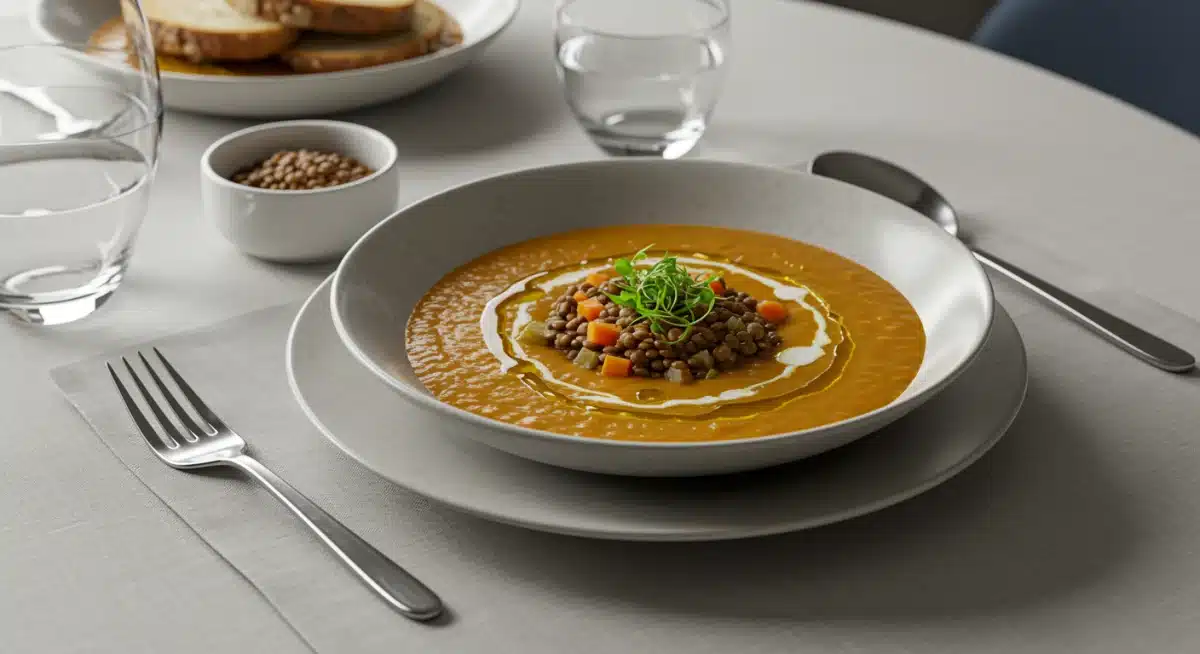
Ingredients & Instructions
- Ingredients: For the lentil base: 1 tablespoon olive oil, 1 chopped onion, 2 cloves minced garlic, 2 carrots (diced), 2 celery stalks (diced), 1 cup brown or green lentils (rinsed), 4 cups vegetable broth, 1 tablespoon tomato paste, 1 teaspoon dried thyme, 1/2 teaspoon smoked paprika, salt and pepper to taste. For the topping: 4 medium potatoes (peeled and chopped), 1/4 cup plant-based milk, 2 tablespoons vegan butter, salt and pepper to taste.
- Instructions: Heat olive oil in a large pot. Sauté onion, garlic, carrots, and celery until softened (about 8-10 minutes). Stir in rinsed lentils, vegetable broth, tomato paste, thyme, and smoked paprika. Bring to a boil, then reduce heat, cover, and simmer for 25-30 minutes, or until lentils are tender. Season with salt and pepper. While lentils cook, boil chopped potatoes until very tender. Drain and mash with plant-based milk, vegan butter, salt, and pepper until creamy. Pour lentil mixture into a baking dish. Spread mashed potatoes evenly over the top. Bake at 375°F (190°C) for 25-30 minutes, or until the topping is golden brown.
This Lentil Shepherd’s Pie offers a deeply satisfying and nutritious meal that will impress even the most discerning palates. It’s a perfect example of how a plant-based diet can deliver hearty, traditional flavors without compromise, fitting seamlessly into the goals of The 2025 Guide to Plant-Based Eating.
Recipe 3: Vibrant Green Smoothie Power Bowl
Kickstarting your day with a nutrient-dense meal is crucial for sustained energy and focus, and this Vibrant Green Smoothie Power Bowl does just that. It’s an incredibly versatile and delicious way to pack a huge punch of vitamins, minerals, and antioxidants into your morning routine. This recipe epitomizes the convenience and health benefits of Plant-Based Eating 2025, offering a quick yet substantial breakfast option that can be tailored to your taste and nutritional needs.
Forget bland, watery smoothies; this power bowl is thick, creamy, and satisfying, thanks to the perfect blend of greens, fruits, and healthy fats. The vibrant color alone is enough to boost your mood, and the sustained energy it provides will keep you going until your next meal. It’s a simple, yet highly effective, practical solution for anyone looking to enhance their daily nutrient intake and embrace a healthier lifestyle.
Ingredients & Instructions
- Ingredients: 1 cup spinach, 1/2 frozen banana, 1/2 cup frozen mango or pineapple, 1/4 cup plant-based milk (almond, oat, or soy), 1 tablespoon chia seeds, 1 tablespoon almond butter, optional toppings: granola, fresh berries, shredded coconut, extra chia seeds.
- Instructions: Combine spinach, frozen banana, frozen mango/pineapple, plant-based milk, chia seeds, and almond butter in a high-speed blender. Blend until completely smooth and creamy, adding a splash more milk if needed to reach desired consistency (it should be thick enough to eat with a spoon). Pour into a bowl and top with your favorite garnishes like granola, fresh berries, and shredded coconut.
This smoothie power bowl is more than just a breakfast; it’s a vibrant affirmation of healthy living. Its ease of preparation and customizable nature make it an indispensable part of a busy individual’s diet, aligning perfectly with the practical solutions highlighted in The 2025 Guide to Plant-Based Eating.
Recipe 4: Spicy Black Bean Tacos with Avocado Cream
Taco night gets a plant-based upgrade with these irresistible Spicy Black Bean Tacos, offering a burst of flavor and texture that will satisfy everyone at the table. This recipe is a fantastic example of how familiar dishes can be transformed into healthy, plant-centric meals without sacrificing taste. The combination of seasoned black beans, fresh toppings, and a creamy avocado sauce makes these tacos a go-to for a fun and nutritious meal, ideal for any US Lifestyle.
Not only are these tacos delicious, but they’re also incredibly quick to assemble, especially if you have your toppings prepped. Black beans provide an excellent source of plant-based protein and fiber, making these tacos filling and nutritious. The avocado cream adds a cooling, rich element that perfectly balances the spice, creating a harmonious and memorable eating experience. This recipe showcases the dynamic and exciting potential of plant-based cuisine.
Ingredients & Instructions
- Ingredients: For the tacos: 1 tablespoon olive oil, 1 chopped onion, 2 cloves minced garlic, 1 (15-ounce) can black beans (rinsed and drained), 1 teaspoon chili powder, 1/2 teaspoon cumin, 1/4 teaspoon smoked paprika, 1/4 cup vegetable broth, 8 small corn or flour tortillas. For the avocado cream: 1 ripe avocado, 1/4 cup plant-based yogurt or water, 1 tablespoon lime juice, salt to taste. Toppings: shredded lettuce, diced tomatoes, chopped cilantro.
- Instructions: Heat olive oil in a skillet over medium heat. Sauté onion until softened (about 5 minutes), then add garlic and cook for another minute. Stir in rinsed black beans, chili powder, cumin, and smoked paprika. Add vegetable broth and simmer for 5-7 minutes, mashing some of the beans with a fork to create a thicker consistency. Season with salt. For the avocado cream, blend avocado, plant-based yogurt/water, and lime juice until smooth and creamy. Season with salt. Warm tortillas. Fill each tortilla with the black bean mixture, top with shredded lettuce, diced tomatoes, cilantro, and a drizzle of avocado cream.
These Spicy Black Bean Tacos are a vibrant and flavorful addition to any meal plan, demonstrating the delicious possibilities within Plant-Based Eating 2025. They are simple to make, highly customizable, and guaranteed to be a crowd-pleaser, proving that healthy eating can be exciting and satisfying.
Recipe 5: Simple Roasted Vegetable & Chickpea Sheet Pan
For ultimate convenience and minimal cleanup, the Simple Roasted Vegetable & Chickpea Sheet Pan meal is a game-changer in plant-based cooking. This recipe is perfect for busy individuals or families looking for a nutritious and flavorful dinner that requires little hands-on time. It embodies the ethos of The 2025 Guide to Plant-Based Eating by offering a practical, one-pan solution for a balanced meal, making healthy eating effortlessly achievable.
The beauty of sheet pan meals lies in their simplicity and versatility. You can use almost any combination of vegetables you have on hand, ensuring that no produce goes to waste. Roasting brings out the natural sweetness of vegetables, while chickpeas provide a satisfying source of protein and fiber. This method of cooking is not only easy but also results in deeply flavored ingredients with a delightful texture, making it a staple for a healthy US Lifestyle.
Ingredients & Instructions
- Ingredients: 1 (15-ounce) can chickpeas (rinsed and drained), 1 head broccoli (cut into florets), 1 bell pepper (any color, chopped), 1 red onion (cut into wedges), 2 tablespoons olive oil, 1 teaspoon dried oregano, 1/2 teaspoon garlic powder, salt and pepper to taste. Optional: a squeeze of lemon juice and fresh parsley for garnish.
- Instructions: Preheat oven to 400°F (200°C). In a large bowl, combine the rinsed chickpeas, broccoli florets, chopped bell pepper, and red onion wedges. Drizzle with olive oil, sprinkle with dried oregano, garlic powder, salt, and pepper. Toss well to ensure all ingredients are evenly coated. Spread the seasoned vegetables and chickpeas in a single layer on a large baking sheet lined with parchment paper. Roast for 25-30 minutes, stirring halfway through, until the vegetables are tender-crisp and slightly caramelized, and the chickpeas are lightly browned. Serve immediately, optionally garnished with a squeeze of fresh lemon juice and chopped parsley.
This Simple Roasted Vegetable & Chickpea Sheet Pan meal is a testament to the fact that healthy, plant-based cooking doesn’t have to be complicated. It’s a delicious, nutritious, and incredibly easy meal that will quickly become a favorite, demonstrating the practical solutions offered by The 2025 Guide to Plant-Based Eating.
Integrating Plant-Based Eating into Your Daily Routine
Successfully integrating plant-based eating into your daily routine is about more than just cooking; it’s about adopting a mindset that prioritizes planning, mindfulness, and flexibility. For a thriving US Lifestyle, consistency is key, and this means finding strategies that fit seamlessly into your existing habits. Start by making small, manageable changes, rather than attempting a complete overhaul overnight. This gradual approach increases the likelihood of long-term success and prevents feeling overwhelmed.
Meal planning is an invaluable tool for plant-based eating. Dedicate some time each week to plan your meals, create a shopping list, and perhaps even do some preliminary food prep. This reduces decision fatigue during busy weekdays and ensures you have healthy options readily available. Furthermore, explore new plant-based restaurants or cafes in your area to discover delicious options when dining out, making it an enjoyable social experience.
Strategies for Seamless Integration
- Start Small: Begin by incorporating one plant-based meal per day or dedicating one day a week to entirely plant-based eating.
- Batch Cooking: Prepare larger quantities of grains, roasted vegetables, or lentil stews on weekends to use throughout the week.
- Snack Smart: Keep healthy plant-based snacks like fruits, nuts, seeds, and vegetable sticks with hummus readily accessible.
- Educate Yourself: Learn about nutrient sources in plant foods (e.g., iron, B12, Omega-3s) to ensure a balanced diet.
- Experiment with Flavors: Don’t be afraid to try new spices, herbs, and plant-based ingredients to keep meals exciting.
By adopting these strategies, you’ll find that plant-based eating becomes a natural and enjoyable part of your everyday life. It’s about building sustainable habits that support your health and well-being, aligning perfectly with the practical focus of The 2025 Guide to Plant-Based Eating.
| Key Aspect | Practical Solution for 2025 |
|---|---|
| Meal Planning | Weekly prep of grains, legumes, and chopped veggies. |
| Pantry Essentials | Stocking versatile items like beans, quinoa, and spices. |
| Quick Meals | Reliance on sheet pan dinners and smoothie bowls. |
| Nutrient Balance | Diverse intake of fruits, vegetables, nuts, and seeds. |
Frequently Asked Questions About Plant-Based Eating
Is plant-based eating suitable for all ages?▼
Answer: Yes, a well-planned plant-based diet can be healthy and nutritionally adequate for individuals of all ages, including infants, children, adolescents, pregnant and lactating women, and older adults. Consulting with a healthcare professional or registered dietitian is always recommended to ensure all nutritional needs are met.
How do I ensure I get enough protein on a plant-based diet?▼
Answer: Plant-based diets offer numerous excellent protein sources. Focus on incorporating a variety of legumes (beans, lentils, chickpeas), whole grains (quinoa, brown rice, oats), nuts, seeds, and soy products (tofu, tempeh, edamame) into your daily meals. Combining different plant proteins throughout the day ensures you get all essential amino acids.
What are common challenges when transitioning to plant-based eating?▼
Answer: Common challenges include learning new cooking techniques, finding suitable substitutes for animal products, ensuring nutrient adequacy (especially B12, iron, and Omega-3s), and navigating social situations. Gradual transition, meal planning, and education can help overcome these hurdles effectively.
Do I need to take supplements on a plant-based diet?▼
Answer: While a well-planned plant-based diet can provide most nutrients, Vitamin B12 supplementation is generally recommended as it is primarily found in animal products. Depending on individual needs and dietary choices, Vitamin D, Omega-3 (from algae), and iron supplements might also be considered, preferably after consulting a doctor.
Can plant-based eating help with weight loss?▼
Answer: Many people experience weight loss on a plant-based diet due to its typical higher fiber content and lower calorie density compared to diets rich in animal products. Fiber promotes satiety, helping reduce overall calorie intake. However, weight loss ultimately depends on total calorie consumption and expenditure, even with plant-based foods.
Conclusion
The 2025 Guide to Plant-Based Eating: 5 Easy Recipes for a Healthier US Lifestyle (PRACTICAL SOLUTIONS) offers a comprehensive roadmap for anyone looking to embrace a more plant-centric way of living. By focusing on accessible recipes, essential pantry staples, and practical strategies, this guide demonstrates that transitioning to or maintaining a plant-based diet can be both straightforward and incredibly rewarding. The benefits extend beyond personal health to encompass environmental sustainability and ethical considerations, making it a powerful choice for the modern American. We encourage you to explore these recipes and integrate the principles into your daily routine, discovering the vibrant flavors and profound well-being that plant-based eating can bring.
