Vintage Fashion Resurgence: 6 Key Eras for US in 2025
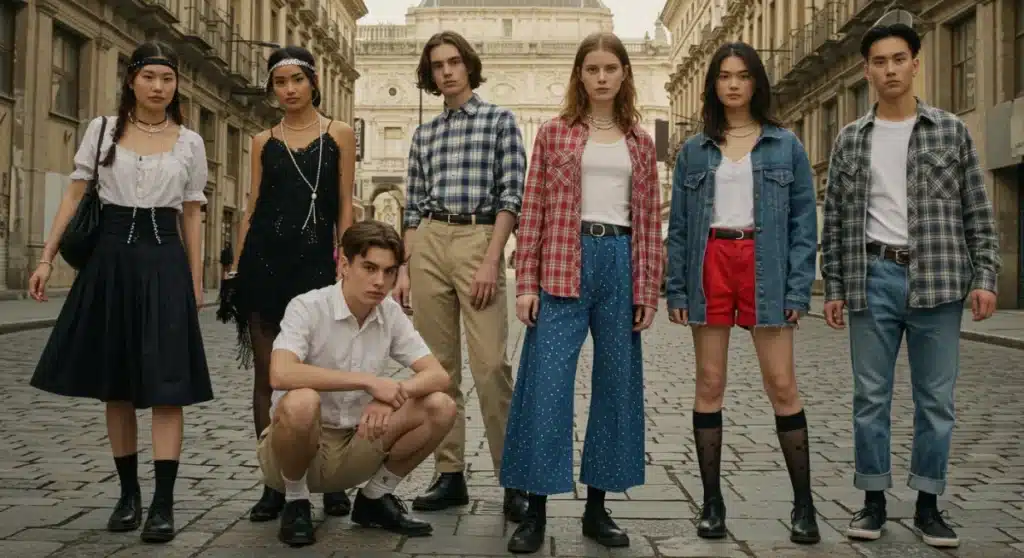
The vintage fashion resurgence in the US for 2025 is driven by six distinct historical eras, offering a blend of timeless aesthetics and sustainable consumption practices for the modern consumer.
The world of fashion is constantly evolving, yet there’s an undeniable gravitational pull back to the past. In 2025, the vintage fashion resurgence is not just a trend; it’s a movement, deeply influencing US styles and offering a rich tapestry of historical aesthetics. This deep dive explores the key eras shaping tomorrow’s wardrobes.
The Enduring Appeal of the Roaring Twenties: Flapper Chic Returns
The 1920s, an era synonymous with jazz, liberation, and profound social change, continues to captivate. Its influence on modern fashion is cyclical, and in 2025, we’re witnessing a significant return to the flapper aesthetic. This isn’t merely about costume; it’s about reinterpreting the era’s spirit of freedom and playful elegance for today’s dynamic woman.
The defining characteristics of 1920s fashion—drop waists, intricate beading, and fringed hemlines—are being subtly woven into contemporary designs. Designers are not just replicating but reimagining these elements, making them relevant for casual wear and evening attire alike. The emphasis is on comfort and fluidity, echoing the original intent of breaking free from restrictive corsetry.
Key Elements of 1920s Revival
- Drop-Waist Silhouettes: Modernized for comfort and versatility, appearing in dresses and tunics.
- Art Deco Embellishments: Geometric patterns and intricate beadwork on accessories and garments.
- Fringe and Feathers: Used sparingly to add movement and luxurious texture to contemporary pieces.
- Relaxed Tailoring: Looser fits in trousers and blazers, reflecting the era’s move towards less structured clothing.
The appeal of the 1920s lies in its audacious spirit and its celebration of freedom. In a world increasingly valuing self-expression and breaking norms, the flapper chic offers a perfect historical parallel. Expect to see these elements not just on the runway but in high-street fashion, making a sophisticated yet accessible statement. This resurgence highlights fashion’s continuous dialogue with history, where past innovations become future inspirations, proving that true style is timeless. The reinterpretation allows for modern practicality while retaining the glamour of a bygone era.
The Golden Age of Hollywood: 1940s Glamour and Utility
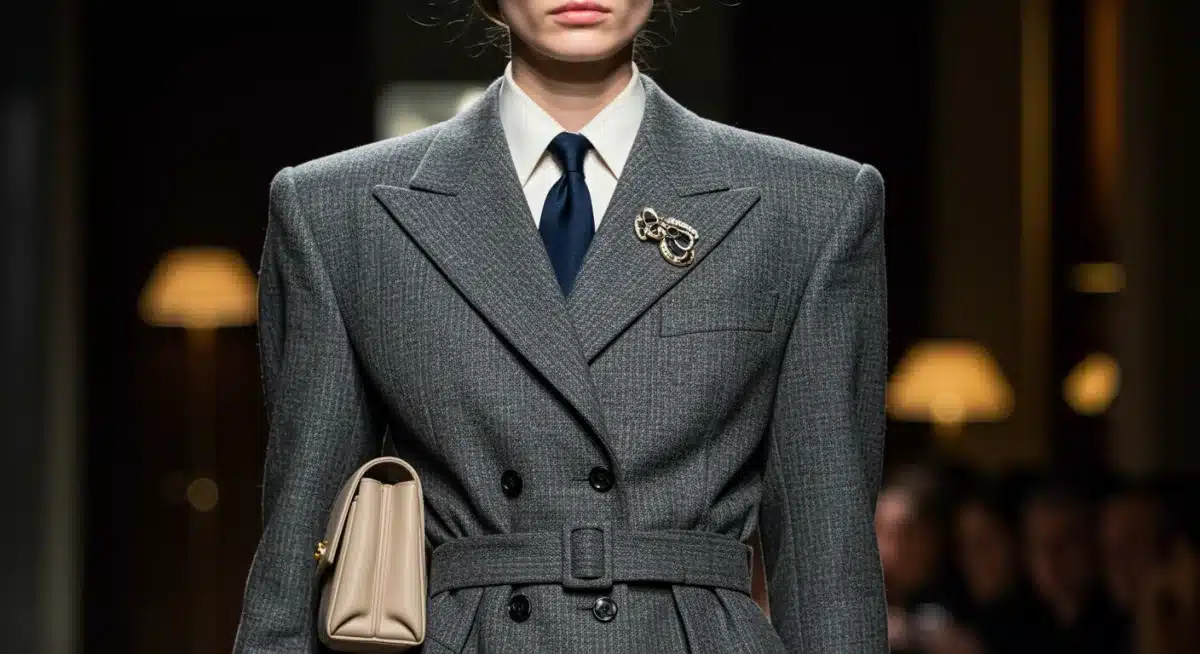
The 1940s, a decade shaped by wartime austerity and the burgeoning influence of Hollywood, offered a unique blend of practicality and undeniable glamour. In 2025, this era’s distinctive aesthetic is making a powerful comeback, resonating with a desire for structured elegance and resilient style. Fashion from this period is characterized by strong shoulders, cinched waists, and often, a conservative yet chic approach to design.
Wartime rationing meant fabrics were precious, leading to clever tailoring and resourceful design. This ethos of thoughtful consumption and durability aligns well with today’s growing emphasis on sustainable fashion and investment pieces. The silhouettes are inherently flattering, enhancing the female form with a sense of refined power. Think tailored suits, elegant tea dresses, and sophisticated separates that can be mixed and matched.
Iconic 1940s Styles Reimagined
- Strong Shoulders: Padded shoulders in blazers and coats, creating a powerful, confident look.
- A-Line Skirts: Versatile and flattering, often paired with elegant blouses or knitwear.
- Peplum Details: Adding a touch of feminine flair to jackets and dresses, accentuating the waist.
- Utility Chic: Functional details like patch pockets and sturdy fabrics given a luxurious twist.
The influence of Hollywood stars like Katharine Hepburn and Lauren Bacall fostered an image of sophisticated strength. This blend of resilience and glamour is particularly appealing today, offering a wardrobe that is both practical and aspirational. The 1940s revival isn’t just about looking good; it’s about feeling empowered and investing in quality pieces that stand the test of time, reflecting a conscious shift in consumer values. We are seeing a return to craftsmanship and details that were hallmarks of this era, making each garment feel special and enduring.
The Rock ‘n’ Roll Revolution: 1950s Flare and Femininity
The 1950s burst onto the scene with a post-war optimism that translated into vibrant, often exuberant fashion. This decade, marked by the rise of rock and roll, suburban ideals, and a distinct return to pronounced femininity, is a major source of inspiration for 2025. The era’s defining styles, from full-skirted dresses to tailored separates, offer a nostalgic yet refreshing take on modern dressing.
The iconic silhouettes of the 1950s emphasized a nipped waist and either a voluminous skirt or a sleek pencil skirt. This focus on an hourglass figure, combined with playful prints and bold colors, created an unforgettable aesthetic. Beyond the dresses, the 1950s also brought us the emergence of casual wear as a distinct category, with denim, sweaters, and T-shirts gaining popularity. This duality—formal elegance and relaxed cool—makes the 50s incredibly versatile for contemporary adaptation.
Adapting 1950s Aesthetics for Today
- Full Skirts: Reimagined in lighter fabrics and contemporary prints for a whimsical yet modern look.
- Tailored Blouses: Paired with high-waisted trousers or skirts for a polished, vintage-inspired ensemble.
- Cardigan Sweaters: A timeless staple, updated with modern cuts and luxurious textures.
- Cat-Eye Glasses: A retro accessory making a strong statement, adding a touch of playful sophistication.
The 1950s vibe is all about celebrating shape and personality. It’s a joyful and optimistic period in fashion history, and its return speaks to a desire for clothing that is both flattering and fun. Whether it’s the demure elegance of a diner dress or the rebel cool of a leather jacket and denim, the 50s offers a spectrum of styles that are being reinterpreted with a modern edge, ensuring they feel current and exciting. The integration of these elements allows for personal expression while tapping into a universally loved aesthetic.
The Psychedelic Sixties: Mod and Counter-Culture Influences
The 1960s was a decade of unprecedented change, and its fashion reflected this societal upheaval. From the sleek, futuristic lines of Mod fashion to the free-spirited, bohemian styles of the counter-culture movement, the 60s offered a buffet of aesthetics. In 2025, designers and fashion enthusiasts are drawing heavily from both ends of this spectrum, creating a dynamic and eclectic vintage fashion resurgence.
Mod fashion, with its geometric prints, A-line dresses, and bold color blocking, championed youthfulness and a departure from traditional femininity. Think Twiggy and Mary Quant. On the other hand, the latter half of the decade saw the rise of hippie culture, bringing with it tie-dye, bell-bottoms, and artisanal textiles. The juxtaposition of these two strong forces makes the 60s a fertile ground for modern interpretations, allowing for both polished and relaxed looks.
Key 1960s Trends for 2025
- A-Line Silhouettes: Mini-dresses and skirts with clean, simple cuts.
- Geometric Prints: Bold and graphic patterns on dresses, tops, and accessories.
- Go-Go Boots: Updated with contemporary materials and heel heights, but retaining their iconic shape.
- Psychedelic Colors: Bright and vibrant hues, often in unexpected combinations, reflecting the era’s experimental spirit.
The 1960s influence is particularly strong in its emphasis on individuality and breaking free from conventions. This resonates deeply with current fashion narratives that prioritize personal expression over strict adherence to trends. Whether it’s the playful sophistication of Mod or the earthy charm of the hippie movement, the 60s provides a rich palette for creating unique and impactful looks in 2025. Expect to see these influences across all levels of fashion, offering a splash of color and a dose of rebellion to everyday wear.
The Groovy Seventies: Bohemian Rhapsody and Disco Fever
The 1970s was a decade of diverse fashion statements, swinging from the earthy, free-spirited vibes of bohemianism to the glittering extravagance of disco. In 2025, this eclectic mix is fueling a significant part of the vintage fashion resurgence, offering a wide array of styles that cater to different tastes and occasions. The 70s was all about self-expression, comfort, and sometimes, unapologetic glamour.
Bohemian fashion, characterized by flowing fabrics, floral prints, embroidered details, and natural textures, provided a relaxed yet stylish alternative. Think maxi dresses, peasant blouses, and flared trousers. On the other end, disco fashion brought us shimmering metallics, sequins, jumpsuits, and platform shoes, designed for movement and making a statement on the dance floor. The ability to pull from these two distinct yet equally impactful aesthetics makes the 70s a treasure trove for modern fashion.
Defining 1970s Comebacks
- Flared Trousers and Jeans: A key silhouette, updated with modern washes and fabrics for a chic look.
- Maxi Dresses and Skirts: Flowing and comfortable, often with intricate prints or embroidery.
- Platform Footwear: From boots to sandals, adding height and a touch of retro flair.
- Satin and Metallic Fabrics: Used for evening wear and statement pieces, bringing disco glam to the forefront.
The 1970s revival speaks to a desire for both comfort and a touch of theatricality in fashion. It’s about embracing individuality and having fun with clothing. Whether you’re drawn to the relaxed elegance of bohemian styles or the bold energy of disco, the 70s offers endless possibilities for creating distinctive and memorable outfits. This era’s influence reminds us that fashion can be both a form of protest and a celebration, a balance that resonates strongly with contemporary consumers looking for clothes with character and history. The blend of these styles ensures a rich and varied landscape for 2025 fashion.
The Nineties Nostalgia: Grunge, Minimalism, and Streetwear
The 1990s, a decade often characterized by its reaction against the extravagance of the 80s, brought us a diverse range of styles from grunge to minimalism and the burgeoning influence of streetwear. In 2025, the nostalgia for the 90s is palpable, making it a cornerstone of the vintage fashion resurgence. This era’s impact is broad, offering everything from effortless cool to understated sophistication.
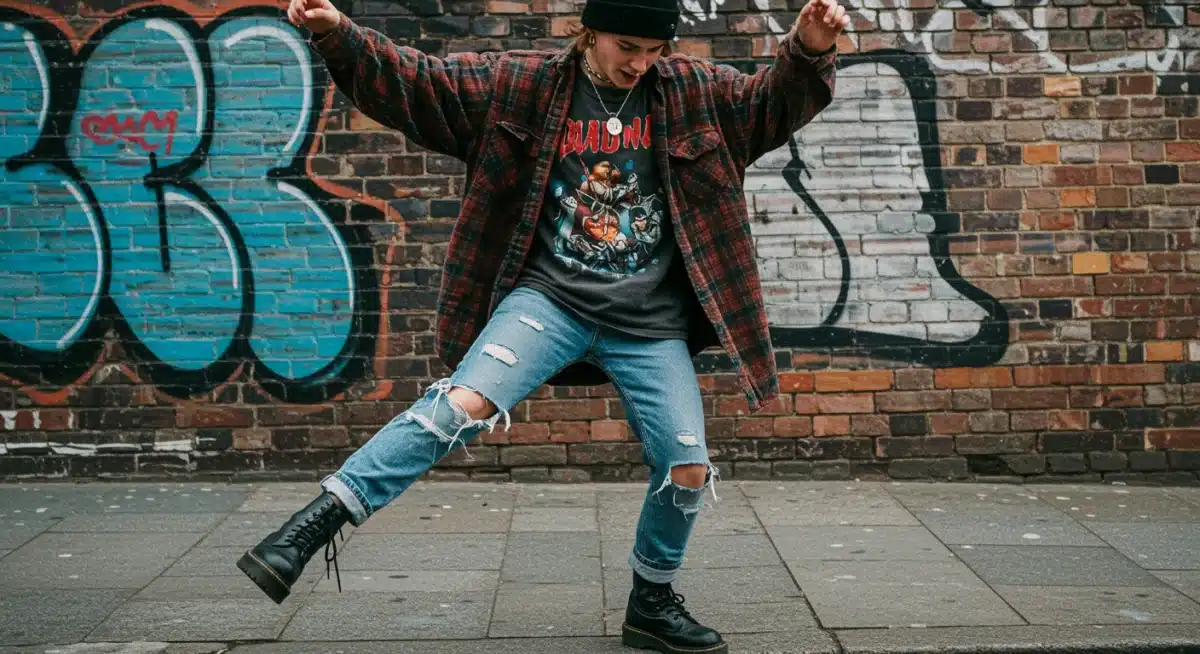
Grunge fashion, with its anti-establishment ethos, popularized oversized silhouettes, distressed denim, band t-shirts, and plaid flannel. It was raw, authentic, and comfortable. In stark contrast, 90s minimalism championed clean lines, neutral palettes, and streamlined designs, often seen in slip dresses and tailored separates. Meanwhile, hip-hop culture brought streetwear to the forefront, with baggy jeans, sportswear, and prominent logos. This incredible variety means there’s a 90s look for almost everyone.
Key 90s Trends Dominating 2025
- Oversized Silhouettes: Blazers, shirts, and sweaters with a relaxed, comfortable fit.
- Distressed Denim: Jeans and jackets with rips and fades, embodying a laid-back attitude.
- Slip Dresses: Versatile and elegant, often layered or worn simply for a minimalist statement.
- Chunky Footwear: Combat boots, platform sneakers, and loafers adding an edgy or utilitarian touch.
The enduring appeal of 90s fashion lies in its relatability and its embrace of authenticity. It wasn’t about perfection; it was about personal style and comfort. In 2025, as consumers increasingly prioritize comfort and self-expression, the 90s offers a wellspring of inspiration that feels both nostalgic and utterly modern. The blend of these distinct styles allows for a highly personalized approach to fashion, reflecting the current desire for clothes that speak to individual identity rather than fleeting trends. This era’s resurgence underscores its lasting influence on casual and statement dressing alike.
Sustainability and the Vintage Cycle: More Than Just Aesthetics
The current vintage fashion resurgence in 2025 is driven by more than just aesthetic appeal; it’s also deeply intertwined with a growing consciousness around sustainability. In a world increasingly aware of fashion’s environmental footprint, embracing vintage is a powerful way to promote ethical consumption and reduce waste. This shift represents a fundamental change in how we view clothing, moving from fast fashion to timeless investment pieces.
Buying vintage extends the lifespan of garments, diverting them from landfills and reducing the demand for new production, which often involves resource-intensive processes. It’s a tangible way for individuals to contribute to a circular economy in fashion. Furthermore, vintage pieces often boast superior quality and craftsmanship compared to many contemporary items, making them durable and valuable additions to any wardrobe. This aspect appeals to consumers looking for both style and substance.
The Sustainable Side of Vintage
- Reduced Environmental Impact: Less demand for new production means fewer resources consumed and less pollution generated.
- Unique Wardrobe: Vintage pieces offer individuality, helping consumers stand out from mass-produced items.
- Quality Craftsmanship: Many older garments were made with higher quality materials and construction techniques.
- Ethical Consumption: Supports a circular economy and conscious consumerism.
The embrace of vintage fashion is a clear signal that consumers are seeking alternatives to the traditional fashion cycle. It’s a movement that celebrates history, craftsmanship, and environmental responsibility, all while allowing for incredible personal style. This intertwining of aesthetics and ethics ensures that the vintage fashion resurgence is not just a passing fad but a significant and lasting shift in how we approach our wardrobes. It proves that what was old can truly be new again, offering both style and a clear conscience.
| Key Era | Defining Influence in 2025 |
|---|---|
| 1920s | Flapper chic, drop-waist silhouettes, Art Deco embellishments. |
| 1940s | Structured glamour, strong shoulders, tailored utility. |
| 1970s | Bohemian rhapsody, disco glam, flared silhouettes. |
| 1990s | Grunge aesthetics, minimalism, oversized streetwear. |
Frequently Asked Questions About Vintage Fashion in 2025
The 2025 vintage fashion resurgence is characterized by a conscious blend of historical aesthetics from six key eras with modern sensibilities. It emphasizes unique personal expression, sustainability, and a move away from fast fashion, integrating timeless styles into contemporary wardrobes.
The most influential eras include the 1920s (flapper chic), 1940s (structured glamour), 1950s (feminine flare), 1960s (Mod and counter-culture), 1970s (bohemian and disco), and 1990s (grunge, minimalism, streetwear). Each brings distinct elements that are being reinterpreted.
Sustainability is a major driver. By choosing vintage, consumers extend garment lifespans, reduce textile waste, and lessen demand for new production, which often has a high environmental cost. It promotes a circular economy and ethical consumption practices.
Not at all. The key to integrating vintage is to mix and match. Pair a 1970s-inspired blouse with modern jeans, or a 1940s tailored blazer with contemporary trousers. The goal is to create a unique look that feels authentic to your personal style, not a costume.
Authentic vintage pieces can be found in a variety of places, including local thrift stores, specialized vintage boutiques, online marketplaces like Etsy and eBay, and vintage fairs. Look for quality craftsmanship and unique designs to ensure you’re getting true vintage gems.
Conclusion
The vintage fashion resurgence in 2025 is a testament to fashion’s cyclical nature and its profound connection to cultural shifts. From the liberated silhouettes of the 1920s to the rebellious spirit of the 1990s, each era offers a unique narrative that informs and enriches contemporary style. This movement is not merely about revisiting the past; it’s about reinterpreting it through a modern lens, emphasizing individuality, quality, and crucially, sustainability. As consumers increasingly seek clothing that tells a story and aligns with their values, the timeless charm and ethical benefits of vintage fashion are set to define the sartorial landscape of the US for years to come. Embracing vintage is a powerful way to cultivate a distinctive wardrobe that is both stylish and responsible, proving that the best fashion often comes with a history.
