Luxury Resale Market: Monetize Your Wardrobe for 30% Profit by 2025

The luxury resale market is rapidly expanding, offering a lucrative avenue for individuals to monetize their pre-owned designer items and potentially achieve up to a 30% profit by 2025 through strategic selling.
The luxury resale market is no longer a niche corner of the fashion industry; it’s a powerful economic force transforming how we view and interact with high-end fashion. What was once considered merely selling used items has evolved into a sophisticated ecosystem where pre-owned luxury goods retain significant value, offering a compelling opportunity for individuals to monetize their wardrobes and contribute to a more sustainable fashion future.
Understanding the Rise of the Luxury Resale Market
The luxury resale market has experienced explosive growth over the past decade, driven by a confluence of factors including evolving consumer attitudes, increased digital accessibility, and a heightened focus on sustainability. This sector, projected to reach significant valuations in the coming years, offers a unique opportunity for both buyers and sellers.
Consumers are increasingly recognizing the intrinsic value and enduring appeal of luxury items, understanding that these pieces are often investments rather than fleeting purchases. The shift towards conscious consumption has also played a pivotal role, with shoppers actively seeking alternatives to fast fashion and embracing circular economy principles. This movement has transformed the perception of pre-owned goods from second-hand to pre-loved, coveted, and even rare finds.
Key Drivers Behind Market Expansion
Several fundamental forces are propelling the unprecedented expansion of the luxury resale market. These drivers are reshaping consumer behavior and creating new economic models within the fashion industry.
- Sustainability Concerns: A growing awareness of fashion’s environmental impact encourages consumers to opt for pre-owned items, extending their lifecycle and reducing waste.
- Accessibility to Luxury: Resale platforms make high-end brands more accessible to a broader audience, allowing individuals to purchase coveted items at more attainable price points.
- Investment Potential: Certain luxury items, particularly limited editions or classic pieces from iconic brands, appreciate in value over time, making them attractive investments.
- Digital Transformation: The proliferation of online consignment stores and peer-to-peer selling platforms has made buying and selling luxury items easier and more efficient than ever before.
The market’s robust growth trajectory suggests that this isn’t merely a fleeting trend but a fundamental shift in how luxury consumers engage with fashion. As more individuals recognize the financial and environmental benefits, the luxury resale market is poised for continued expansion and innovation.
This dynamic environment presents a prime opportunity for anyone looking to declutter their wardrobe while simultaneously generating a substantial return on their initial investments. The market’s maturity and the sophisticated infrastructure now in place make it easier than ever to participate and profit.
Identifying High-Value Luxury Items in Your Wardrobe
Not all luxury items are created equal when it comes to resale value. Understanding which pieces command the highest prices is crucial for maximizing your profits. Strategic selection involves considering brand prestige, item condition, rarity, and current market demand.
Certain brands consistently outperform others in the resale market due to their enduring legacy, craftsmanship, and desirability. Iconic pieces from these brands often retain a significant portion of their original retail price, and in some cases, even appreciate in value. Beyond brand recognition, the specific item’s condition is paramount; pristine items will always fetch a higher price.
Top-Performing Brands and Categories
Focusing on items from established luxury houses and specific product categories can significantly boost your resale potential. These brands have cult followings and a proven track record of maintaining value.
- Hermès: Birkin and Kelly bags are legendary for their scarcity and investment potential, often reselling for more than their original price.
- Chanel: Classic flap bags, 2.55 bags, and certain seasonal pieces consistently perform well due to their timeless appeal and high demand.
- Louis Vuitton: Monogram canvas bags and limited-edition collaborations are highly sought after by collectors and fashion enthusiasts.
- Rolex: Vintage and rare models of watches often see substantial appreciation, making them excellent resale candidates.
- Designer Ready-to-Wear: While less consistent than bags or watches, specific highly coveted runway pieces or classic silhouettes from brands like Dior, Gucci, and Prada can also command good prices.
Beyond these perennial favorites, keep an eye on emerging designers gaining traction and limited-edition collaborations, which often generate significant buzz and subsequent resale demand. The key is to stay informed about current trends and what collectors are actively seeking.
Assessing the condition of your items is equally important. Even a highly desirable item will see its value diminish if it shows significant wear. Proper care and maintenance of luxury goods are not just about preserving their beauty but also about protecting their future resale value.
Strategies for Maximizing Your Resale Profit
Simply listing an item for sale isn’t enough to guarantee top dollar in the luxury resale market. A strategic approach involving careful preparation, platform selection, pricing, and presentation is essential to maximize your earnings. Your goal should be to present your item in the best possible light to attract serious buyers.
Effective selling begins long before an item is listed. It involves understanding your target audience, researching comparable sales, and ensuring your item meets the stringent standards of luxury resale. Every detail, from the cleanliness of the item to the clarity of your photographs, contributes to its perceived value.
Preparing Your Items for Sale
Thorough preparation is the cornerstone of successful luxury resale. Attention to detail can significantly impact the final sale price and the speed at which your item sells.
- Cleaning and Restoration: Professionally clean garments and accessories. For bags, consider minor restoration by specialists to address scuffs or wear, if cost-effective.
- Documentation: Gather original receipts, dust bags, authenticity cards, and original packaging. These add significant value and assure buyers of authenticity.
- Photography: Take high-quality, well-lit photos from multiple angles, highlighting any unique features and meticulously documenting any imperfections.
- Detailed Description: Provide an accurate and comprehensive description, including brand, model, dimensions, materials, condition, and any provenance information.
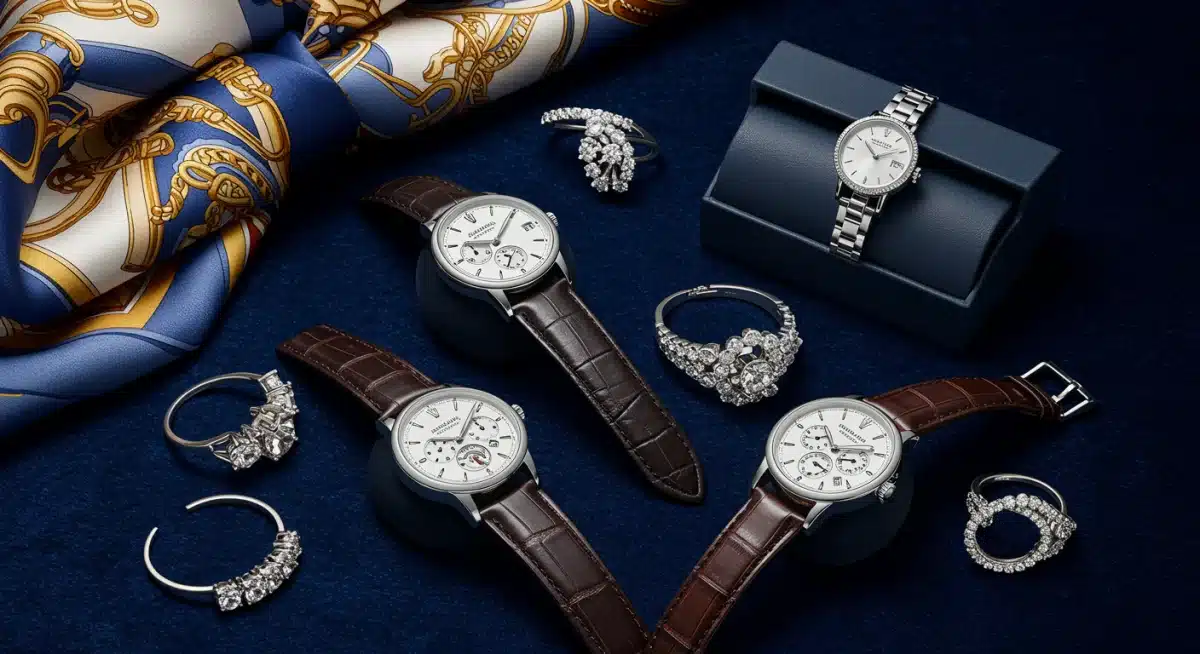
Choosing the right platform is also critical. Different platforms cater to different types of luxury items and offer varying commission structures. Researching these options will help you select the one that best aligns with your item and profit goals.
Finally, pricing your item competitively yet strategically is vital. Too high, and it won’t sell; too low, and you leave money on the table. Use comparable sales data to inform your pricing decisions, always aiming for a price that reflects the item’s condition, rarity, and current market demand.
Choosing the Right Resale Platform
The landscape of luxury resale platforms is diverse, each offering distinct advantages and disadvantages. Selecting the appropriate platform for your specific item can significantly influence its visibility, sale price, and overall selling experience. It’s important to align the platform’s audience and services with your selling objectives.
Some platforms specialize in ultra-luxury items, offering white-glove consignment services, while others provide a more direct peer-to-peer marketplace. Understanding the commission structures, authenticity guarantees, and shipping logistics of each option is crucial before making a decision.
Popular Luxury Resale Platforms and Their Features
Here’s a breakdown of some leading platforms and what they offer to sellers:
- The RealReal: A consignment model known for its rigorous authentication process and extensive marketing reach. They handle photography, pricing, and shipping, taking a commission based on the item’s sale price.
- Vestiaire Collective: A global community marketplace where sellers list items, and Vestiaire handles authentication and shipping once an item sells. Offers both direct selling and concierge services.
- Fashionphile: Specializes in handbags, watches, and fine jewelry. Offers upfront payment for items or consignment options, known for its strong reputation and efficient process.
- eBay: While a broader marketplace, eBay can be effective for luxury items if the seller is experienced in creating detailed listings, managing authentication, and handling customer service. It offers lower commission rates but requires more effort from the seller.
- Grailed/Heroine Chic: Popular platforms for men’s and women’s contemporary and archival fashion, offering a peer-to-peer model with robust community features and authentication support.
Consider the type of item you are selling. A rare Hermès bag might be best suited for a platform with a high-touch consignment service, while a popular designer dress could thrive on a peer-to-peer marketplace. Each platform has its strengths, and choosing wisely can optimize your selling potential.
Beyond these, numerous smaller, specialized boutiques and Instagram-based sellers cater to specific niches. Researching these options can sometimes yield better results for unique or highly specialized items, as they often have a dedicated audience looking for specific pieces.
The Financial Impact: Projecting Profits by 2025
The financial prospects of participating in the luxury resale market are increasingly compelling, with projections indicating significant growth and profitability for sellers by 2025. Understanding the factors that influence these profits and how to leverage them is key to maximizing your returns.
The market’s expansion is not just about volume but also about value retention and appreciation for certain items. As demand continues to outstrip supply for coveted pieces, their resale value can climb, offering a substantial financial incentive to sellers. This makes smart wardrobe investments even more attractive.
Factors Influencing Profit Margins
Several elements directly impact how much profit you can expect to make from reselling your luxury items. Strategic consideration of these factors will help you optimize your earnings.
- Brand and Item Desirability: Iconic pieces from top-tier brands like Hermès, Chanel, and Rolex consistently command higher resale prices.
- Condition of the Item: Pristine items with original packaging and documentation fetch significantly higher prices than those with visible wear or missing accessories.
- Market Demand and Trends: Staying attuned to current fashion trends and collector demand can help you sell items at their peak value. Limited editions and vintage pieces experiencing a resurgence can see price spikes.
- Platform Commission Rates: Different resale platforms charge varying commissions, which directly affect your net profit. Comparing these rates is crucial.
- Timing of Sale: Selling items seasonally appropriate or during peak shopping periods (e.g., holidays) can sometimes result in quicker sales and better prices.

Analysts predict that the luxury resale market will continue its upward trajectory, with some forecasts suggesting that sellers could realize profits upwards of 30% on certain items by 2025. This isn’t a guaranteed figure for every item, but it highlights the market’s potential when approached strategically.
The financial impact also extends beyond direct profit. By selling items you no longer use, you create space in your wardrobe, free up capital for new purchases, and contribute to a more sustainable consumption model. It’s a win-win situation for your finances and the environment.
Sustainability and Ethical Considerations in Resale
Beyond the financial incentives, the luxury resale market plays a crucial role in promoting sustainability and ethical consumption within the fashion industry. By extending the lifespan of high-quality goods, resale actively reduces the environmental footprint associated with new production.
The linear model of fashion—produce, consume, discard—is increasingly unsustainable. Resale offers a circular alternative, keeping valuable resources in circulation for longer and mitigating the need for new raw materials and energy-intensive manufacturing processes. This aligns with a growing global consciousness around environmental responsibility.
The Environmental and Social Benefits
Embracing luxury resale contributes to a healthier planet and more ethical practices in several ways:
- Reduced Waste: Diverting items from landfills significantly lessens textile waste, a major environmental problem.
- Lower Carbon Footprint: Extending the life of a garment or accessory reduces the carbon emissions associated with manufacturing new items.
- Resource Conservation: Less demand for new products means less extraction of raw materials like cotton, leather, and precious metals, which often have significant environmental impacts.
- Ethical Production: By purchasing pre-owned, consumers indirectly reduce demand for goods that might have been produced under questionable labor conditions, encouraging brands towards more ethical supply chains.
Many luxury brands are now actively embracing the resale market, recognizing its importance for their brand image and sustainability goals. Some are even partnering with resale platforms or launching their own pre-owned programs, further legitimizing and integrating resale into the mainstream luxury ecosystem.
For consumers, participating in the luxury resale market isn’t just about saving money or making a profit; it’s about making a conscious choice to support a more responsible and sustainable fashion industry. It allows individuals to enjoy luxury without contributing to the same level of environmental impact as buying new.
Navigating Authenticity and Trust in the Resale Space
Authenticity is the bedrock of the luxury resale market. Without trust in the genuineness of an item, the entire ecosystem would falter. Both buyers and sellers must be vigilant in ensuring that items are legitimate, protecting against counterfeits and maintaining the integrity of the market.
The proliferation of sophisticated fakes makes robust authentication processes indispensable. Reputable resale platforms invest heavily in expert authenticators and advanced technologies to verify every item, providing peace of mind to both parties involved in a transaction.
Ensuring Legitimacy and Building Confidence
For sellers, demonstrating the authenticity of your items is paramount. For buyers, knowing how to identify trustworthy sources is equally critical.
- Platform Verification: Choose consignment platforms with established and transparent authentication protocols. They employ trained experts who meticulously inspect items.
- Documentation: Always retain original receipts, authenticity cards, dust bags, and original packaging. These provide crucial proof of purchase and legitimacy.
- Detailed Photography: High-resolution photos showing serial numbers, date codes, brand stamps, and hardware details can help buyers assess authenticity.
- Seller Reputation: On peer-to-peer platforms, check seller reviews, ratings, and sales history to gauge their trustworthiness.
- Expert Opinion: For very high-value items, consider obtaining an independent authentication certificate from a third-party expert before listing.
The commitment to authenticity not only protects consumers but also solidifies the value proposition of the luxury resale market. When buyers are confident they are acquiring genuine articles, they are more willing to pay premium prices, benefiting sellers.
As the market continues to grow, so too will the methods for combating counterfeits. Advances in blockchain technology and AI-driven authentication are poised to further enhance trust and transparency, making the luxury resale space even more secure and reliable for all participants.
| Key Point | Brief Description |
|---|---|
| Market Growth | The luxury resale market is rapidly expanding, driven by sustainability and accessibility, offering significant profit potential. |
| Profit Potential | Sellers can earn up to 30% profit by 2025 on high-value, well-maintained luxury items. |
| Strategic Selling | Maximizing profits requires careful item preparation, platform selection, and competitive pricing. |
| Authenticity | Ensuring legitimacy through documentation and reputable platforms is crucial for trust and value retention. |
Frequently Asked Questions About Luxury Resale
High-value items typically include iconic handbags (Hermès Birkin/Kelly, Chanel Classic Flap), luxury watches (Rolex, Patek Philippe), and fine jewelry. Limited editions, vintage pieces in excellent condition, and items from highly coveted brands consistently perform well in the resale market due to their enduring demand.
Always retain original purchase receipts, authenticity cards, dust bags, and packaging. When selling, choose reputable consignment platforms that employ expert authenticators. For peer-to-peer sales, provide clear, detailed photos of serial numbers, date codes, and brand stamps to build buyer confidence and trust in your listing.
Profit margins vary significantly based on brand, item condition, rarity, and platform commission. While some highly sought-after items can appreciate, a realistic expectation for most desirable luxury goods in excellent condition is to recoup 50-80% of their original retail price, with strategic selling potentially yielding up to 30% profit by 2025 on certain appreciating assets.
Yes, most platforms charge a commission fee, which can range from 10% to 50% depending on the item’s value and the platform’s services. Some platforms may also have fees for expedited processing, photography, or enhanced listings. Always review the platform’s seller terms and conditions carefully to understand all potential deductions.
By extending the life cycle of luxury goods, the resale market significantly reduces textile waste and the demand for new production, thereby lowering the fashion industry’s overall carbon footprint. It promotes a circular economy, conserving resources and encouraging more conscious consumption habits among consumers, fostering a more ethical ecosystem.
Conclusion
The luxury resale market has firmly established itself as a dynamic and financially rewarding sector, offering a clear pathway to monetize your wardrobe effectively. By understanding market trends, identifying high-value items, meticulously preparing them for sale, and strategically choosing the right platforms, individuals can unlock significant profits. The projected growth of up to 30% profit by 2025 underscores the lucrative nature of this evolving industry. Moreover, participating in luxury resale is not just about financial gain; it’s a conscious decision towards sustainability, promoting a circular economy and reducing the environmental impact of fashion. Embracing this market allows you to refresh your style, recoup your investments, and contribute to a more responsible future for luxury consumption.
