Sustainable Fashion Trends 2025: US Ethical Style Guide
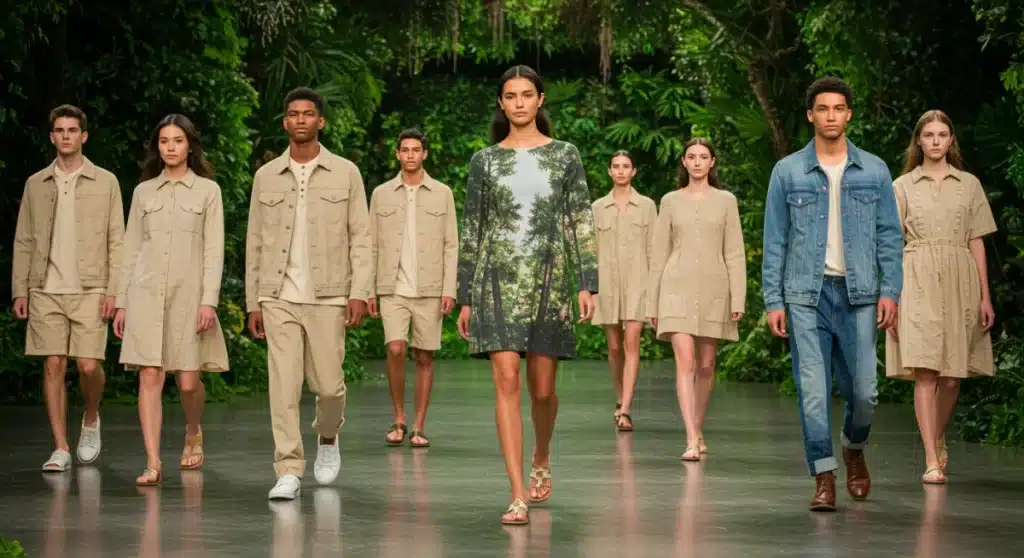
The future of ethical style for US consumers in 2025 is shaped by five pivotal sustainable fashion trends, emphasizing innovation, circularity, and transparency for a more responsible industry.
The fashion industry is undergoing a profound transformation, with sustainability at its core. For US consumers, understanding the sustainable fashion trends 2025 is not just about staying stylish, but about making informed choices that align with their values and contribute to a healthier planet.
This guide offers an insider’s look into the shifts defining ethical style, helping you navigate the evolving landscape of conscious consumption.
The Rise of Circularity: Beyond Recycling
In 2025, the concept of circularity moves beyond simple recycling, becoming a fundamental pillar of sustainable fashion. This trend emphasizes designing products for longevity, repairability, and eventual re-entry into the production cycle, minimizing waste and resource depletion.
It’s about creating a closed-loop system where garments are seen as valuable resources, not disposable items.
Designing for Durability and Repair
Brands are increasingly focusing on the quality and construction of their apparel, ensuring pieces can withstand the test of time. This includes using stronger seams, higher-quality fabrics, and timeless designs that won’t quickly fall out of style.
The goal is to extend the lifespan of clothing, reducing the frequency of new purchases and the overall environmental footprint.
- Material Selection: Prioritizing durable, long-lasting fibers like organic cotton, linen, and Tencel that can endure frequent wear and washing.
- Construction Techniques: Employing reinforced stitching, robust zippers, and high-quality buttons to prevent premature wear and tear.
- Timeless Aesthetics: Creating versatile designs that transcend fleeting trends, encouraging consumers to keep garments longer.
Beyond initial design, brands are also investing in repair services and educational resources to empower consumers to mend and maintain their clothing. This shift fosters a deeper connection between the wearer and their wardrobe, promoting a culture of care rather than disposability.
It’s a move away from fast fashion’s rapid consumption cycle towards a more thoughtful and sustainable approach.
Innovative Take-Back and Resale Programs
The circular economy gains momentum through advanced take-back and resale initiatives. Many US brands are now implementing programs where consumers can return old garments for recycling, upcycling, or resale.
This not only gives clothing a second life but also provides brands with valuable materials for new collections, closing the loop on textile waste.
- In-Store Returns: Establishing convenient drop-off points in retail locations for end-of-life garments.
- Online Trade-Ins: Offering incentives for customers to mail back used clothing, often in exchange for store credit.
- Brand-Owned Resale Platforms: Launching dedicated platforms for selling pre-owned items from their own labels, ensuring quality control and brand integrity.
These programs are not just about waste reduction; they also represent a new business model that generates revenue from previously discarded items. For consumers, it offers an ethical way to refresh their wardrobe and participate in a more sustainable fashion ecosystem.
The economic viability of these models is crucial for their widespread adoption and long-term success.
The move towards circularity represents a holistic shift in how fashion is produced, consumed, and ultimately managed at its end-of-life. By prioritizing durability, repair, and innovative take-back systems, the industry is building a more resilient and responsible future, setting a new standard for ethical style in 2025.
This comprehensive approach is essential for truly mitigating fashion’s environmental impact.
Material Innovation: The Next Generation of Fabrics
Material science is at the forefront of sustainable fashion trends in 2025, with a surge in innovative fabrics that offer eco-friendly alternatives to traditional textiles. These advancements are crucial for reducing the environmental footprint of clothing production, from water usage to chemical pollution.
Expect to see a broader adoption of these groundbreaking materials in mainstream fashion.
Bio-Based and Regenerative Materials
The focus is increasingly on materials derived from renewable biological resources, minimizing reliance on fossil fuels. This includes fibers made from agricultural waste, algae, and even mushrooms, offering biodegradable solutions that return to the earth without harm.
These materials often boast unique properties, such as enhanced breathability and moisture-wicking capabilities.
- Mushroom Leather (Mycelium): A sustainable alternative to animal leather, grown from fungal roots and offering a similar texture and durability.
- Algae-Based Fabrics: Textiles created from algae biomass, requiring minimal resources and often producing vibrant, natural dyes.
- Agricultural Waste Fibers: Utilizing discarded plant matter like pineapple leaves, banana stalks, and orange peels to create luxurious and durable fabrics.
These bio-based materials not only reduce environmental impact but also often offer superior comfort and performance. Their development is a testament to the industry’s commitment to finding truly sustainable solutions.
The investment in research and development for these materials is rapidly accelerating.
Recycled and Upcycled Textiles at Scale
While recycling has been present, 2025 sees an escalation in the sophistication and scale of recycled and upcycled textiles. New technologies allow for more efficient processing of post-consumer waste, transforming old garments and plastic bottles into high-quality new fabrics.
Upcycling, which involves creatively transforming existing materials into new products, also gains significant traction.
- Advanced Textile-to-Textile Recycling: Innovations that can separate and re-spin mixed fiber garments, a challenge that historically limited textile recycling.
- Ocean Plastic Fabrics: Growing use of recycled plastics collected from oceans and landfills to create durable and versatile textiles for outerwear and activewear.
- Creative Upcycling: Designers repurposing discarded fabrics, military surplus, and vintage clothing into unique, limited-edition pieces, reducing demand for new production.
The increased availability and quality of these recycled and upcycled materials mean that consumers no longer have to compromise on style or performance when choosing sustainable options. This trend is driven by both consumer demand and technological breakthroughs.
It marks a significant step towards a truly circular material economy.
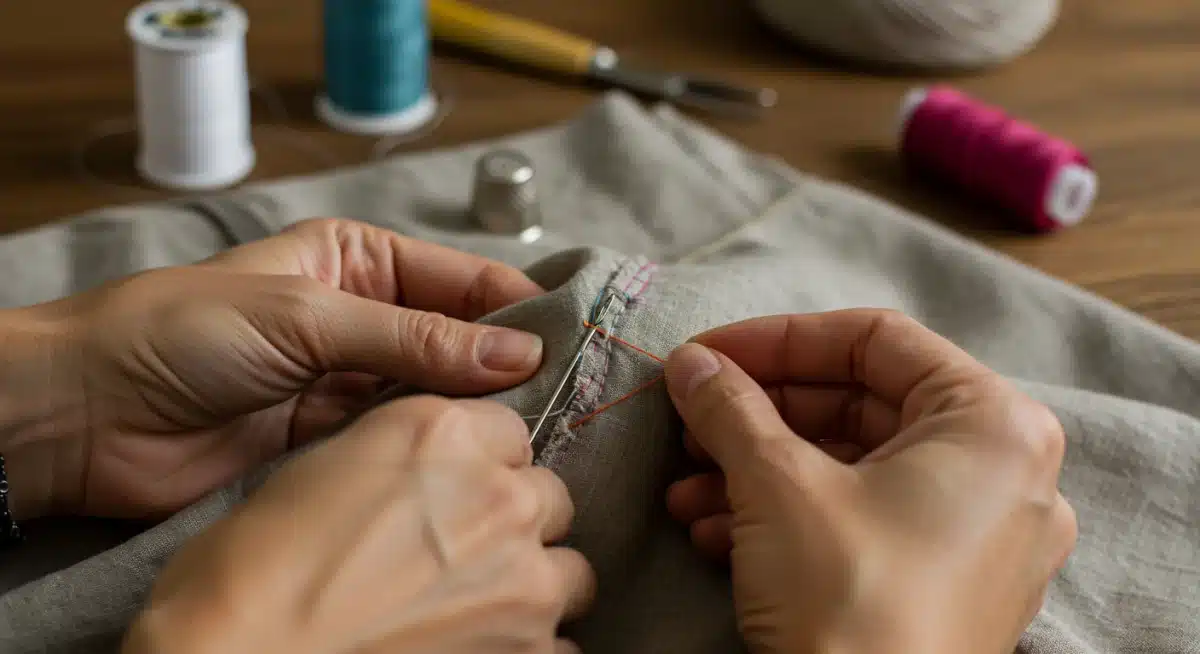
In summary, the evolution of material innovation is rapidly reshaping the fashion landscape. From bio-based alternatives to highly efficient recycling processes, these new fabrics are enabling brands to create stylish, high-performance garments with a significantly reduced environmental footprint.
Consumers in the US will find an ever-expanding array of choices that align with their ethical preferences.
Transparency and Traceability: Knowing Your Garment’s Journey
In 2025, consumers are demanding more than just sustainable materials; they want to know the entire story behind their clothes. Transparency and traceability are becoming non-negotiable, with brands leveraging technology to provide detailed information about their supply chains, from raw material sourcing to manufacturing processes.
This push for openness builds trust and empowers ethical purchasing decisions.
Blockchain and Digital Product Passports
Cutting-edge technologies like blockchain are being adopted to create immutable records of a garment’s journey. Digital product passports, often accessed via QR codes on clothing labels, provide consumers with comprehensive data about origin, certifications, environmental impact, and ethical labor practices.
This level of detail was previously unimaginable and marks a significant leap in consumer empowerment.
- Immutable Records: Blockchain ensures that information about a garment’s production history cannot be altered, guaranteeing authenticity.
- QR Code Access: Consumers can easily scan a QR code on a label to instantly access a wealth of information about their purchase.
- Impact Metrics: Passports often include data on water usage, carbon footprint, and fair wage compliance for each stage of production.
These digital tools not only satisfy consumer curiosity but also hold brands accountable for their sustainability claims. The ability to verify ethical practices at every step of the supply chain is a powerful driver for change.
It moves beyond vague promises to verifiable facts.
Ethical Labor and Fair Wages
Beyond environmental concerns, the human element of sustainable fashion gains even greater prominence. Consumers are increasingly aware of the social impact of their purchases, demanding that brands ensure fair wages, safe working conditions, and respect for human rights throughout their supply chains.
Transparency in labor practices is becoming as important as ecological footprint.
- Supply Chain Mapping: Brands are rigorously mapping their entire supply chain, identifying all factories and subcontractors involved in production.
- Third-Party Audits: Regular, independent audits verify compliance with labor standards and ethical guidelines.
- Worker Empowerment Initiatives: Supporting programs that provide education, healthcare, and fair representation for garment workers.
This heightened focus on ethical labor practices is influencing consumer loyalty and brand reputation. Companies that can demonstrate a genuine commitment to worker welfare will gain a significant competitive advantage in the US market.
It’s a reflection of a broader societal shift towards valuing people as much as profit.
Ultimately, the drive for transparency and traceability in 2025 is about fostering a more honest and accountable fashion industry. By providing consumers with clear, verifiable information, brands are building trust and enabling more responsible purchasing decisions.
This commitment to openness is fundamental to the future of ethical style.
The Slow Fashion Movement: Quality Over Quantity
The counter-narrative to fast fashion, the slow fashion movement, solidifies its position as a dominant trend in 2025. This philosophy encourages conscious consumption, valuing quality, craftsmanship, and emotional connection to garments over fleeting trends and disposable clothing.
It’s about curating a wardrobe that lasts and reflects personal style, rather than chasing every new release.
Investment Pieces and Capsule Wardrobes
Consumers are increasingly investing in fewer, higher-quality pieces designed to last for years, if not decades. This shift encourages thoughtful purchasing decisions and moves away from impulse buying.
The concept of a capsule wardrobe, where a limited number of versatile items can be mixed and matched to create numerous outfits, gains further popularity.
- Conscious Curation: Building a wardrobe with intention, selecting pieces that align with personal style and are suitable for various occasions.
- Versatile Staples: Prioritizing classic designs and neutral colors that can be easily integrated into existing outfits.
- Cost Per Wear: Understanding that a higher upfront cost for a quality item often results in a lower cost per wear over its extended lifespan.
This approach not only reduces textile waste but also saves money in the long run. It encourages consumers to appreciate the artistry and effort behind each garment, fostering a more mindful relationship with their clothes.
The emotional connection to clothing becomes a key factor in purchasing.
Personal Style and Authenticity
The slow fashion movement champions individuality and authenticity over mass-produced trends. In 2025, expressing personal style through unique, long-lasting pieces becomes a hallmark of conscious consumption.
This includes embracing vintage, bespoke, and upcycled items that tell a story and stand apart from mainstream offerings.
- Vintage and Secondhand: Integrating pre-loved garments into a wardrobe, giving them a new life and reducing the demand for new production.
- Bespoke and Custom-Made: Investing in tailor-made pieces that fit perfectly and are designed to individual specifications, ensuring longevity and satisfaction.
- Upcycled and Repurposed: Seeking out items that have been creatively transformed from existing materials, offering unique aesthetics and a reduced environmental footprint.
This emphasis on personal style allows consumers to build a wardrobe that genuinely reflects who they are, rather than adhering to dictated trends. It’s a rejection of consumerism’s disposable culture in favor of meaningful and enduring expression.
The narrative shifts from what’s new to what’s true to oneself.
The slow fashion movement, with its focus on quality, longevity, and personal expression, is a powerful force driving sustainable change. By encouraging consumers to buy less, choose well, and make their clothes last, it offers a practical and stylish pathway to a more ethical wardrobe in 2025.
This mindful approach benefits both the planet and personal well-being.
Digital Innovation for Sustainable Choices
Technology continues to play a pivotal role in accelerating sustainable fashion trends in 2025. Digital innovations are not only transforming how clothes are designed and produced but also empowering consumers to make more informed and ethical choices.
From virtual try-ons to AI-driven recommendations, technology is making sustainable shopping more accessible and engaging.
Virtual Try-On and AI-Powered Sizing
One of the biggest contributors to returns and waste in e-commerce is incorrect sizing. In 2025, advanced virtual try-on technologies and AI-powered sizing tools are becoming more sophisticated and widespread.
These innovations help consumers find the perfect fit virtually, reducing the need for multiple purchases and returns, thereby minimizing shipping emissions and product waste.
- Augmented Reality (AR) Apps: Allowing users to virtually try on clothes using their smartphone cameras, seeing how garments look and fit on their own body.
- AI Sizing Algorithms: Recommending accurate sizes based on user measurements, purchase history, and even body scan data, drastically reducing fit-related issues.
- 3D Product Visualization: Providing highly detailed, rotatable 3D models of garments, allowing consumers to inspect textures and drapes virtually.
By improving the online shopping experience and reducing returns, these digital tools contribute significantly to the overall sustainability of the fashion industry. They also enhance customer satisfaction and loyalty.
The convenience and accuracy offered by these technologies are a game-changer.
Sustainable Product Discovery Platforms
The proliferation of sustainable brands can sometimes make it challenging for consumers to find ethical options. In 2025, specialized digital platforms and apps are emerging to curate and highlight sustainable products, making it easier for US consumers to discover and purchase from responsible brands.
These platforms often use stringent criteria to vet brands, ensuring genuine commitment to sustainability.
- Certification Filters: Allowing users to search for products based on specific sustainability certifications (e.g., GOTS, Fair Trade, B Corp).
- Ethical Brand Directories: Comprehensive lists and profiles of brands committed to eco-friendly and ethical practices.
- Impact Calculators: Tools that estimate the environmental and social impact of a purchase, helping consumers understand the positive difference they are making.
These platforms act as trusted guides for consumers navigating the complex world of sustainable fashion, simplifying the decision-making process. They foster a community of conscious shoppers and amplify the reach of ethical brands.
The power of collective choice is harnessed through these digital hubs.
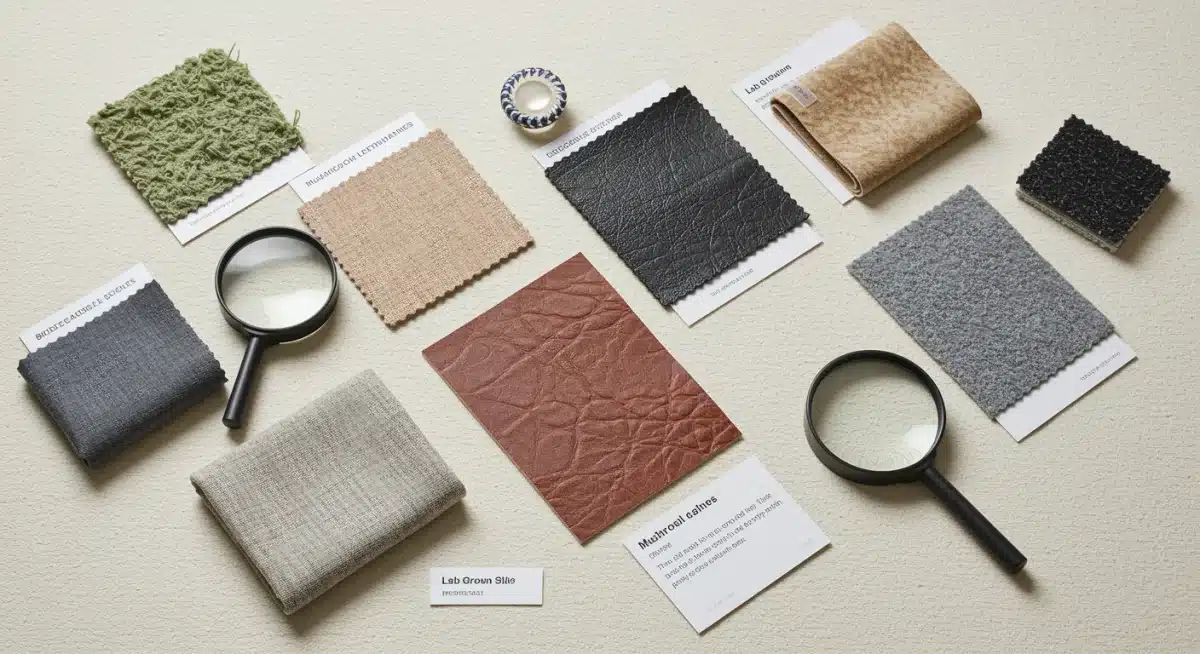
Digital innovation is not just a convenience; it’s a critical enabler of sustainable fashion. By leveraging technology to enhance product discovery, improve fit accuracy, and provide transparency, the industry is making ethical choices more accessible and appealing to a wider audience.
This integration of tech and sustainability is reshaping the consumer journey in 2025.
The Influence of Policy and Consumer Advocacy
Beyond industry-led initiatives, governmental policies and strong consumer advocacy groups are playing an increasingly vital role in shaping sustainable fashion trends in 2025 for US consumers. Regulatory frameworks and public pressure are driving brands towards greater accountability and more sustainable practices.
This external influence is a powerful catalyst for systemic change.
Governmental Regulations and Extended Producer Responsibility (EPR)
In response to mounting environmental concerns, governments in the US and globally are beginning to implement stricter regulations on the fashion industry. This includes mandates for waste reduction, chemical use, and labor standards.
Extended Producer Responsibility (EPR) schemes are gaining traction, holding brands accountable for the entire lifecycle of their products, including disposal.
- Textile Waste Legislation: Laws aimed at diverting textile waste from landfills, encouraging recycling and reuse.
- Chemical Restrictions: Stricter regulations on harmful chemicals used in dyeing and finishing processes to protect both workers and the environment.
- EPR Implementation: Brands being required to finance or manage the collection and recycling of their products at the end of their useful life.
These policies create a level playing field, ensuring that all brands, regardless of size, adhere to fundamental sustainability standards. They push the industry beyond voluntary commitments towards legally binding obligations.
The legislative landscape is evolving rapidly to address fashion’s impact.
Powerful Consumer Advocacy and Activism
US consumers are not passive participants; they are active drivers of change. Organized advocacy groups, social media movements, and individual consumer choices are collectively pressuring brands to adopt more sustainable and ethical practices.
The power of public opinion is a significant force, compelling companies to listen and adapt.
- Social Media Campaigns: Viral campaigns highlighting unethical practices or promoting sustainable alternatives, influencing public perception and brand reputation.
- Ethical Shopping Guides: Organizations publishing guides and ratings to help consumers identify and support truly sustainable brands.
- Boycotts and Protests: Consumer actions against brands found to be engaging in greenwashing or exploitative labor practices.
This collective consumer voice is instrumental in holding brands accountable and accelerating the adoption of sustainable practices. It demonstrates that purchasing power, when guided by ethical considerations, can instigate profound industry shifts.
The informed consumer is a powerful agent of transformation.
The interplay of governmental policy and robust consumer advocacy forms a critical external pressure point for the fashion industry. These forces ensure that sustainability remains a priority, driving continuous improvement and accountability across the supply chain.
Together, they are forging a more responsible future for fashion in the US and beyond.
| Key Trend | Brief Description |
|---|---|
| Circularity Focus | Designing for longevity, repair, and closed-loop systems to minimize waste. |
| Material Innovation | Adoption of bio-based, regenerative, and advanced recycled fabrics. |
| Transparency & Traceability | Utilizing blockchain and digital passports for supply chain visibility and ethical labor. |
| Slow Fashion Principles | Emphasis on quality, longevity, and personal style over fast consumption. |
Frequently Asked Questions About Sustainable Fashion in 2025
The most significant trend is the rise of circularity, moving beyond simple recycling to encompass design for durability, repair, and comprehensive take-back and resale programs. This aims to eliminate waste and keep materials in use for as long as possible, fostering a closed-loop system.
Material innovation will significantly expand ethical style choices by introducing more bio-based, regenerative, and advanced recycled fabrics. Consumers will have access to textiles like mushroom leather and algae-based materials, offering eco-friendly alternatives without compromising on quality or aesthetics. This diversification makes sustainable options more appealing.
Transparency and traceability are crucial because they empower consumers to make informed decisions about a garment’s entire lifecycle and ethical impact. Technologies like blockchain and digital product passports provide verifiable data on sourcing, production, and labor practices, building trust and accountability within the industry.
The slow fashion movement encourages conscious consumption, prioritizing quality over quantity. It promotes investing in durable, timeless pieces, building capsule wardrobes, and embracing personal style through vintage or bespoke items. This reduces waste, fosters a deeper connection with clothing, and counters the fast fashion cycle.
Digital innovations like virtual try-on and AI-powered sizing reduce returns and waste, while sustainable product discovery platforms help consumers find ethical brands. These technologies make sustainable shopping more accessible, accurate, and engaging, streamlining the process of making responsible fashion choices for US consumers.
Conclusion
The landscape of fashion in 2025 is unequivocally shifting towards a more sustainable and ethical future. For US consumers, understanding and embracing these five key trends—circulatory, material innovation, transparency, slow fashion, and digital empowerment—is essential for navigating this evolving industry. These shifts are not merely fleeting fads but fundamental changes that reflect a growing collective consciousness for environmental protection and social responsibility.
By making informed choices, consumers hold immense power to drive further positive transformation, ensuring that style and sustainability can, and indeed must, coexist.
