Smart Shopping: Save 15% on Designer Trends 2025
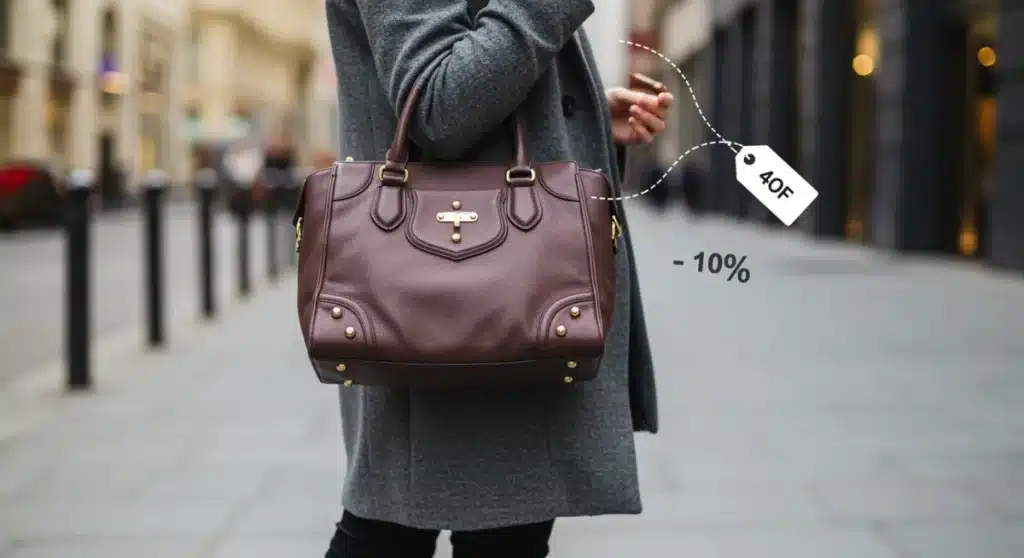
Implementing strategic purchasing behaviors, such as leveraging resale platforms, utilizing loyalty programs, and investing in versatile pieces, can significantly reduce costs, allowing consumers to save 15% on designer trends in 2025 and achieve a positive financial impact.
Are you ready to elevate your style with the latest designer trends without depleting your savings? The concept of smart shopping designer trends in 2025 is not just a dream, but an achievable reality for the savvy consumer. This guide will reveal three expert strategies to help you save a significant 15% on your fashion investments, ensuring your wardrobe is both stylish and financially sound.
Understanding the 2025 fashion landscape and its financial impact
The fashion world in 2025 continues its dynamic evolution, marked by a blend of sustainable practices, digital innovation, and a renewed focus on timeless elegance alongside bold, transient trends. Consumers are increasingly discerning, seeking not just aesthetic appeal but also value, longevity, and ethical considerations in their purchases. This shift presents both challenges and opportunities for those aiming to stay fashionable without overspending.
Economically, the landscape suggests a continued emphasis on mindful consumption. Inflationary pressures and a greater awareness of personal finance mean that every purchase decision carries more weight. For designer fashion, this translates into a need for strategic acquisition. Simply buying off the rack without forethought is no longer tenable for many. Instead, smart shoppers will need to employ tactics that allow them to participate in the trend cycle while mitigating its financial impact. The goal is to maximize style per dollar spent, ensuring that each designer piece not only enhances a wardrobe but also represents a wise investment.
The financial impact of designer trends can be substantial if not managed correctly. High-end fashion often comes with a premium price tag, reflecting craftsmanship, brand prestige, and exclusive materials. However, this premium doesn’t have to be a barrier. By understanding market dynamics, anticipating trends, and utilizing specific purchasing strategies, individuals can access these coveted items at a reduced cost. This approach not only saves money but also fosters a more sustainable relationship with fashion, moving away from fast-fashion consumption towards a more curated and thoughtful collection of garments and accessories.
Ultimately, navigating the 2025 fashion landscape successfully means being informed and proactive. It involves recognizing which trends have staying power, knowing when and where to find the best deals, and understanding the true value of a designer piece beyond its initial price. This foundational knowledge is crucial before diving into specific saving strategies, as it sets the stage for making truly intelligent fashion investments that align with both personal style and financial goals.
Strategy 1: mastering the art of luxury resale and consignment
One of the most effective ways to access designer trends at a fraction of their original cost is by tapping into the thriving luxury resale and consignment market. This sector has exploded in popularity, driven by both economic savvy and a growing emphasis on sustainability. Instead of paying full retail, smart shoppers can find nearly new or gently used designer pieces, often at discounts of 30% to 70% off, making that 15% saving target easily attainable, and often surpassed.
Navigating online luxury resale platforms
The digital age has brought forth a plethora of online platforms dedicated to pre-owned luxury goods. These websites offer a vast selection, from iconic handbags to limited-edition apparel, all authenticated to ensure legitimacy. Becoming proficient in using these platforms is key to successful smart shopping.
- The RealReal: Known for its rigorous authentication process and wide array of designer items.
- Fashionphile: Specializes in luxury handbags and accessories, offering competitive pricing.
- Vestiaire Collective: A global community for pre-owned fashion, with a focus on designer and vintage pieces.
When shopping on these sites, pay close attention to the condition reports and seller ratings. Detailed photographs and transparent descriptions are your best friends. Setting up alerts for specific designers or items can also give you an edge, notifying you as soon as a coveted piece becomes available. This proactive approach ensures you don’t miss out on rare finds or exceptional deals.
Exploring local consignment stores and pop-up events
While online platforms offer convenience, local consignment stores and pop-up luxury resale events provide a unique, tactile shopping experience. These brick-and-mortar establishments often have a curated selection and can offer opportunities for negotiation, especially if you’re a repeat customer.
- Tangible Inspection: Allows you to physically examine items for quality and fit before purchasing.
- Community Connection: Build relationships with store owners who can alert you to new arrivals.
- Exclusive Finds: Discover unique vintage pieces or rare designer items not easily found online.
Visiting these stores regularly can yield surprising treasures. Many consignment shops receive new inventory daily, so frequent visits increase your chances of snagging a desirable item. Additionally, attending pop-up events or luxury sample sales can be an excellent way to find designer pieces at significant markdowns, often directly from brands or high-end boutiques clearing past season stock.
Mastering the art of luxury resale and consignment requires patience, a keen eye for detail, and a willingness to explore various channels. By integrating these practices into your smart shopping routine, you not only save money but also contribute to a more circular and sustainable fashion economy. This strategy is not just about finding discounts; it’s about making sophisticated choices that benefit both your wallet and the planet.
Strategy 2: leveraging loyalty programs and exclusive memberships
For those who prefer purchasing new designer items, or a mix of new and pre-owned, loyalty programs and exclusive memberships offer a powerful avenue for significant savings. Many high-end retailers and designer brands have sophisticated rewards systems designed to foster customer loyalty. By understanding and strategically utilizing these programs, you can unlock discounts, gain early access to sales, and even receive personalized styling services that enhance your shopping experience while saving money.
Maximizing points and rewards systems
Most major luxury retailers operate tiered loyalty programs. The more you spend, the higher your tier, and the greater the benefits. These benefits often include points earned per dollar spent, which can then be redeemed for future purchases, effectively reducing the cost of designer items. Some programs offer accelerated points earning during special promotions, so keeping an eye on these opportunities is crucial.
- Sign-up Bonuses: Many programs offer initial points or discounts just for joining.
- Tiered Benefits: Higher tiers often unlock exclusive discounts, free shipping, and birthday rewards.
- Credit Card Integration: Some luxury retailers partner with credit card companies for co-branded cards that offer enhanced rewards on purchases.
Beyond traditional points, some programs provide access to exclusive events, private sales, or even complimentary alterations. These perks might not directly translate to a monetary discount but add significant value to your overall luxury shopping experience. Being a part of these programs allows you to stay informed about upcoming promotions, giving you a strategic advantage in securing designer pieces at favorable prices.
Utilizing exclusive membership benefits and early access
Certain designer brands and luxury retailers offer paid memberships or invite-only programs that provide unparalleled access and savings. These memberships often come with an annual fee but can quickly pay for themselves through substantial discounts and exclusive perks. Early access to sales is a particularly valuable benefit, allowing members to shop coveted items before they sell out or before general public discounts are applied.
Imagine being able to browse and purchase the latest collection at a reduced price days before anyone else. This not only guarantees you access to the most sought-after pieces but also ensures you get them at a better value. These memberships might also include personal styling consultations, which can help you make more informed purchasing decisions, reducing the likelihood of impulse buys that don’t fit your existing wardrobe or personal style. Ultimately, thoughtful engagement with these programs transforms routine shopping into a strategic exercise, maximizing your investment in designer fashion.
By actively participating in loyalty programs and considering exclusive memberships, smart shoppers can significantly offset the cost of new designer items. This strategy is about building a relationship with your favorite brands and retailers, allowing that relationship to work in your financial favor. It’s a proactive approach to saving, ensuring you get the best value for your luxury fashion purchases in 2025.
Strategy 3: investing in versatile classics and foundational pieces
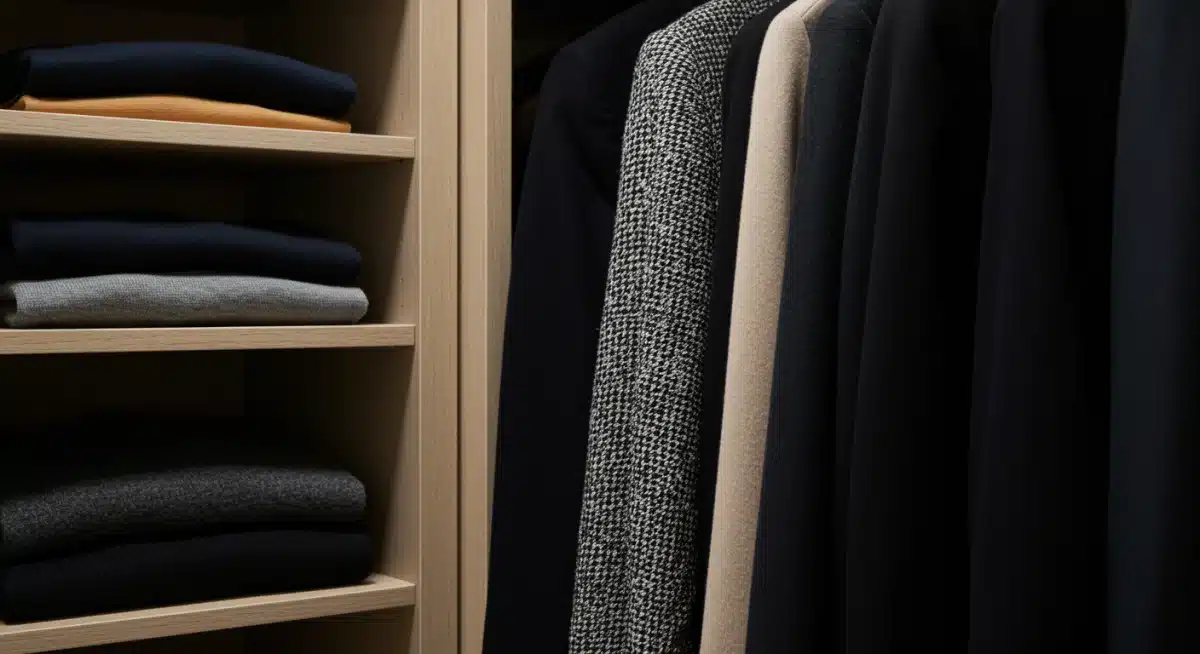
While chasing the latest trends can be exciting, a truly smart shopping approach for designer fashion in 2025 involves a strategic investment in versatile classics and foundational pieces. These are items that transcend seasonal fads, offering enduring style and functionality. By building a core wardrobe of high-quality, timeless designer pieces, you reduce the need for constant trend-driven purchases, ultimately saving money and ensuring your style remains sophisticated for years to come.
Identifying timeless designer essentials
Timeless essentials are the backbone of any well-curated wardrobe. These are pieces that can be dressed up or down, mixed and matched with various items, and remain relevant across different fashion cycles. For designer fashion, this means looking for items known for their superior craftsmanship, durable materials, and classic silhouettes.
- The classic trench coat: A versatile outerwear piece that works for multiple seasons and occasions.
- A tailored blazer: Elevates any outfit, from casual denim to formal dresses.
- Quality leather accessories: Handbags, belts, and shoes that withstand the test of time and usage.
- The little black dress: An iconic piece suitable for a multitude of events.
Investing in these items, even if they come with a higher initial price tag, provides long-term value. Their durability means you won’t need to replace them frequently, and their classic appeal ensures they never look dated. This approach contrasts sharply with fast fashion, where trendy items quickly lose their appeal and structural integrity, leading to a cycle of constant replacement and increased spending.
Mixing high-low fashion for maximum impact
One of the keys to successfully integrating designer classics is the art of mixing high-low fashion. This involves pairing your investment designer pieces with more affordable, on-trend items. This strategy allows you to participate in current fashion movements without committing significant financial resources to fleeting trends. For example, a designer handbag or a pair of high-quality designer shoes can elevate an entire outfit, even if the rest of your ensemble is composed of more budget-friendly pieces.
This approach not only makes your wardrobe more versatile but also maximizes the impact of your designer investments. The quality and prestige of a few key designer items can elevate your entire look, giving the impression of an entirely high-end wardrobe. It’s about strategic placement and thoughtful combination, ensuring that your core designer pieces get the attention they deserve while blending seamlessly with more accessible fashion. By focusing on these foundational pieces, you create a sustainable, stylish, and financially astute wardrobe that adapts to evolving trends without constant, costly overhauls.
Ultimately, investing in versatile classics and foundational pieces is a long-term smart shopping strategy. It’s about quality over quantity, durability over disposability, and timelessness over fleeting trends. This approach not only helps you save money in the long run but also cultivates a more refined and enduring personal style, ensuring your wardrobe remains chic and relevant for years to come, making each designer purchase a true investment.
The power of strategic timing and seasonal sales
Beyond where you shop and what you buy, when you shop plays a critical role in achieving significant savings on designer trends. Strategic timing, particularly around seasonal sales and holiday promotions, can unlock substantial discounts that are often unavailable at other times of the year. Understanding the retail calendar and anticipating markdowns allows smart shoppers to plan their purchases, ensuring they acquire desired items at the lowest possible price point, further contributing to the 15% savings target.
Major sales events, such as Black Friday, Cyber Monday, End-of-Season sales (e.g., summer clearance, winter clearance), and even specific brand anniversary sales, are prime opportunities. During these periods, designer items that were once full-price can see markdowns of 30%, 50%, or even more. The key is to monitor your desired items or brands in advance, so you’re ready to act when sales go live. Subscribing to newsletters from your favorite retailers can provide early notifications of these events, giving you a competitive edge.
Anticipating collection releases and clearance cycles
Designer fashion operates on a predictable cycle of collection releases. Typically, new collections debut twice a year: Spring/Summer and Fall/Winter. As new collections arrive, retailers need to clear out previous season’s inventory to make space. This is when the most significant discounts often occur. Learning to anticipate these cycles allows you to strategically delay non-urgent purchases until the clearance period.
- Pre-Season Planning: Identify desired items from current collections and wait for them to go on sale as the next season approaches.
- Mid-Season Markdowns: Look for mid-season sales that offer initial discounts on still-relevant items.
- Post-Holiday Sales: Leverage sales immediately following major holidays for extra reductions.
For example, if you’re eyeing a designer coat for winter, the best time to purchase it might be in late winter or early spring, as retailers prepare for spring/summer collections. Conversely, summer dresses might see their deepest discounts in late summer or early fall. This requires a bit of foresight and planning but can lead to substantial financial benefits. It’s a game of patience and observation, but one that richly rewards the smart shopper.
Leveraging tax-free shopping events and credit card benefits
Beyond standard sales, some regions offer tax-free shopping days or weekends, particularly for back-to-school or holiday periods. While these may not always apply directly to high-end designer items, it’s worth checking if luxury purchases are included, as saving on sales tax can add up, especially on expensive items. Additionally, many credit cards offer rotating bonus categories or sign-up bonuses that can be leveraged for fashion purchases. Using a credit card that offers cashback or points on department store purchases, for instance, can provide an additional layer of savings on your designer acquisitions.
By combining strategic timing with your other smart shopping efforts, you can amplify your savings significantly. This multi-faceted approach ensures that you’re not just looking for discounts, but actively creating opportunities to acquire designer trends at the best possible price. It transforms shopping into a strategic mission, where every well-timed purchase contributes to your overall financial well-being and stylish wardrobe.
The role of authentication and informed decision-making
When engaging in smart shopping for designer trends, especially within the resale market, the importance of authentication cannot be overstated. The proliferation of counterfeit goods means that an uninformed purchase can not only lead to financial loss but also compromise the integrity of your wardrobe. Therefore, making informed decisions, backed by reliable authentication, is a cornerstone of successful and secure smart shopping.
Reputable resale platforms and consignment stores employ expert authenticators who meticulously verify the legitimacy of each item. They scrutinize details such as stitching, hardware, serial numbers, and material quality to ensure that what you’re buying is the real deal. When purchasing from individual sellers or less established platforms, exercising extreme caution is vital. Always ask for detailed photos, proof of purchase if available, and consider using third-party authentication services before finalizing a high-value transaction.
Understanding brand-specific authentication markers
Each designer brand has unique authentication markers that distinguish genuine products from fakes. Becoming familiar with these specifics for your favorite brands can empower you to make more confident purchases. This knowledge extends beyond just logos; it includes understanding the typical weight of a certain handbag, the feel of a specific leather, or the font used on a date code.
- Research specific brand details: Learn about the unique characteristics of your preferred designer items.
- Utilize online guides: Many websites offer detailed guides on how to spot fake designer goods.
- Consult experts: If in doubt, seek advice from experienced authenticators or trusted fashion professionals.
This level of due diligence adds an extra layer of security to your smart shopping endeavors. It transforms you from a passive consumer into an educated buyer, capable of discerning quality and authenticity. This protects your financial investment and ensures that your designer purchases truly contribute to the prestige and quality of your wardrobe.
Making value-driven purchasing choices
Beyond authentication, informed decision-making involves assessing the true value and utility of a designer item before purchase. This means considering factors such as versatility, longevity, and how well the item integrates with your existing wardrobe. A designer piece, regardless of its discount, is only a smart purchase if it genuinely enhances your style and serves a purpose.
Ask yourself: Is this item a fleeting trend or a timeless classic? How many ways can I wear it? Does it fill a gap in my wardrobe, or is it a redundant purchase? By answering these questions, you move beyond impulse buying and towards value-driven choices. This approach ensures that every designer item you acquire, whether new or pre-owned, is a deliberate and financially sound investment. It’s about building a wardrobe that is not only fashionable but also functional, sustainable, and reflective of your personal style, embodying the essence of smart shopping for designer trends in 2025.
Integrating robust authentication practices and making value-driven choices are critical components of a comprehensive smart shopping strategy. They safeguard your investments and ensure that your pursuit of designer trends is both financially astute and genuinely rewarding. By prioritizing authenticity and utility, you cultivate a wardrobe that is both stylish and sustainable, making every purchase count.
Budgeting and tracking your designer fashion savings
Successfully implementing smart shopping strategies for designer trends in 2025 isn’t just about finding deals; it’s also about effective financial management. Budgeting and meticulously tracking your savings are crucial steps to ensure you consistently hit your 15% savings target and maintain a healthy financial outlook. Without a clear overview of your spending and savings, even the best strategies can fall short of their potential impact.
Start by setting a realistic budget for your fashion purchases. This budget should align with your overall financial goals and reflect how much you’re comfortable spending on designer items. Once your budget is established, every purchase, whether it’s a new designer bag or a pre-owned pair of shoes, should be evaluated against it. This discipline helps prevent overspending and keeps your financial goals in sharp focus.
Tools for effective expense and savings tracking
In today’s digital age, numerous tools can simplify the process of tracking your expenses and savings. From dedicated budgeting apps to simple spreadsheets, finding a method that works for you is key. The goal is to have a clear, real-time understanding of where your money is going and how much you’re saving through your smart shopping efforts.
- Budgeting Apps: Utilize apps like Mint, YNAB (You Need A Budget), or Personal Capital to categorize spending and set savings goals.
- Spreadsheets: Create a simple Excel or Google Sheet to log designer purchases, original prices, and actual prices paid, calculating the difference as savings.
- Bank Features: Many banks offer digital tools within their online banking platforms to help track spending and categorize transactions.
Beyond just tracking the money spent, it’s equally important to track the money saved. For every designer item you purchase, note its original retail price and the price you actually paid. The difference represents your savings. Aggregating these figures over time will give you a tangible measure of your success in achieving the 15% savings goal, providing motivation and validating your smart shopping approach.
Reviewing and adjusting your smart shopping plan
Financial planning is not a one-time event; it’s an ongoing process. Regularly review your budget, spending patterns, and savings performance. Are you consistently hitting your 15% savings target? Are there areas where you could save more, or perhaps where you’re overspending? This periodic review allows you to adjust your smart shopping plan, refining your strategies to be even more effective.
Perhaps you discover that one resale platform consistently offers better deals for a specific designer, or that a particular loyalty program yields more rewards for your spending habits. Use these insights to fine-tune your approach. The flexibility to adapt and optimize your strategies ensures that your smart shopping journey remains dynamic and maximally beneficial. By thoughtfully budgeting and tracking, you transform the pursuit of designer trends into a financially empowering endeavor, solidifying your ability to save and invest wisely in your style.
Effective budgeting and diligent tracking are the silent enablers of successful smart shopping. They provide the structure and accountability needed to turn aspirational savings goals into concrete financial achievements. By integrating these practices, you ensure that your engagement with designer fashion is not only stylish but also fiscally responsible, making every trend acquisition a testament to your financial acumen.
| Key Strategy | Brief Description |
|---|---|
| Luxury Resale | Access authenticated designer items at significant discounts (30-70% off retail). |
| Loyalty Programs | Earn points, gain early access to sales, and receive exclusive benefits from retailers. |
| Versatile Classics | Invest in timeless, high-quality pieces that transcend trends and offer long-term value. |
| Strategic Timing | Leverage seasonal sales and clearance cycles for optimal discounts on designer items. |
Frequently asked questions about smart shopping designer trends
In 2025, top platforms for luxury resale include The RealReal, Fashionphile, and Vestiaire Collective. These sites are renowned for their authentication processes and wide selection of pre-owned designer items, allowing shoppers to find quality pieces at significant discounts.
Loyalty programs offer points for purchases, which can be redeemed for discounts. They also provide benefits like early access to sales, exclusive promotions, and sometimes even personalized styling services, all contributing to overall savings on new designer pieces.
Investing in versatile classics ensures long-term style and reduces the need for frequent trend-driven purchases. These high-quality, timeless pieces offer enduring value, can be mixed and matched easily, and retain their relevance across various fashion cycles, saving money over time.
The best time to buy designer items for maximum savings is during seasonal sales, such as end-of-season clearances (e.g., late winter for winter items, late summer for summer items), Black Friday, Cyber Monday, and specific brand anniversary sales. Strategic timing can yield significant discounts.
To ensure authenticity, purchase from reputable platforms with expert authenticators. Always request detailed photos and proof of purchase if available. Familiarize yourself with brand-specific authentication markers and consider using third-party authentication services for high-value items to protect your investment.
Conclusion
Navigating the world of designer fashion in 2025 doesn’t have to be an expensive endeavor. By adopting these three expert strategies—mastering luxury resale, leveraging loyalty programs, and investing in versatile classics—you can confidently achieve your goal of saving 15% on the latest trends. These approaches not only make high-end style more accessible but also promote a more sustainable and financially responsible relationship with fashion. Embrace smart shopping, and elevate your wardrobe with confidence and significant savings.
