2026 Product Testing Platforms: 5 New Consumer Goods Opportunities
Advertisements
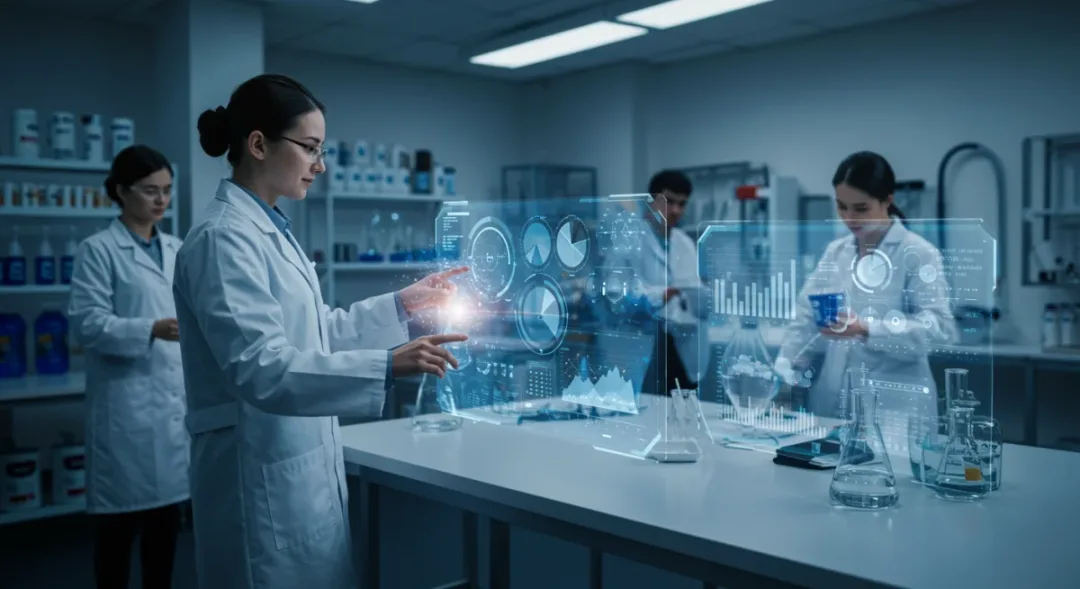
The latest 2026 product testing platforms are revolutionizing how consumer goods are developed and validated, offering unprecedented insights and engagement opportunities for brands aiming for market leadership.
The consumer goods market is a dynamic arena, constantly demanding innovation and adaptation. In this rapidly evolving environment, understanding consumer preferences and product performance before launch is not just an advantage—it’s a necessity. This is precisely where the advancements in 2026 product testing platforms are poised to create a significant impact, offering groundbreaking opportunities for brands to refine their offerings and secure a competitive edge.
The Evolution of Product Testing in 2026
Product testing has come a long way from traditional focus groups and surveys. In 2026, we are witnessing a paradigm shift, driven by artificial intelligence, machine learning, and enhanced connectivity. These technologies are not merely improving existing methods; they are creating entirely new avenues for brands to interact with consumers and gather invaluable data.
The focus has shifted towards more authentic, real-world testing scenarios that capture genuine user experiences. This allows for a deeper understanding of how products integrate into daily life, revealing nuances that laboratory settings often miss. Brands are now able to leverage vast datasets to predict market reception with greater accuracy, significantly reducing the risks associated with new product introductions.
AI-Powered Predictive Analytics
One of the most transformative aspects of 2026 product testing platforms is the integration of AI-powered predictive analytics. This technology analyzes historical data, market trends, and even social media sentiment to forecast product success before extensive physical testing begins.
- Early Trend Identification: AI can spot emerging consumer needs and preferences, guiding product development.
- Targeted Consumer Panels: Algorithms help identify the most relevant test groups for specific products, ensuring feedback is highly pertinent.
- Risk Mitigation: By predicting potential issues, brands can address them proactively, saving time and resources.
These sophisticated tools move beyond simple data aggregation, offering actionable insights that can shape product features, marketing strategies, and even pricing models. The ability to anticipate consumer reactions allows for more agile and responsive product development cycles.
Virtual and Augmented Reality Testing Environments
Another frontier being explored is the use of virtual and augmented reality (VR/AR) for product testing. These immersive environments allow consumers to interact with digital prototypes in a simulated real-world setting, providing rich qualitative data without the need for physical samples.
For consumer goods, this means testing everything from packaging aesthetics to product functionality in a controlled yet realistic virtual space. Imagine testing a new kitchen appliance in a virtual kitchen or trying on virtual clothing before it’s even manufactured. This significantly accelerates the feedback loop and reduces the cost of prototyping.
The evolution of product testing in 2026 underscores a commitment to precision and efficiency. By harnessing advanced technologies, brands can ensure their consumer goods are not just innovative, but also perfectly aligned with market demands and consumer expectations.
Opportunity 1: Hyper-Personalized Feedback Loops
In 2026, product testing platforms are enabling an unprecedented level of personalization in feedback collection. Moving beyond demographic segmentation, these platforms utilize psychographic profiling and behavioral data to match products with testers whose preferences and habits are genuinely aligned. This creates hyper-personalized feedback loops that yield incredibly precise and actionable insights for consumer goods.
This approach ensures that feedback isn’t just broad; it’s deeply relevant. Brands can understand not only what consumers think, but why they think it, based on their individual lifestyles and values. This depth of understanding is crucial for developing products that resonate deeply with specific market niches.
Advanced Profiling and Matching Algorithms
Central to hyper-personalized feedback are advanced profiling and matching algorithms. These systems go beyond basic surveys, incorporating data from various sources to build comprehensive consumer profiles. This includes purchase history, online activity, social media engagement, and even biometric data collected with user consent.
- Granular Segmentation: Identifying micro-segments within the target audience for highly specific testing.
- Behavioral Insights: Understanding actual product usage patterns, not just stated preferences.
- Predictive Preferences: Anticipating future consumer needs based on current habits and market shifts.
By leveraging these algorithms, brands can ensure that the right product variations are tested by the right individuals, maximizing the value of each feedback point. This is particularly beneficial for complex consumer goods where subtle differences can significantly impact user satisfaction.
Continuous Feedback Streams
Hyper-personalization also extends to the concept of continuous feedback streams. Instead of one-off testing cycles, platforms are facilitating ongoing engagement with a dedicated panel of testers. This allows for iterative product development, where feedback from one stage directly informs the next.
For consumer goods, this means a product can evolve in real-time, adapting to tester suggestions and performance data. Imagine a smart home device that receives software updates based on continuous user feedback, or a beauty product whose formulation is tweaked based on long-term skin reactions reported by testers.
This continuous dialogue fosters a sense of co-creation between brands and consumers, building loyalty and ensuring that the final product is truly optimized for its intended users. The ability to gather and act on hyper-personalized feedback loops represents a significant leap forward for consumer goods in 2026.
Opportunity 2: Gamified Testing Experiences
Engagement is key in product testing, and 2026 platforms are embracing gamification to make the feedback process more enjoyable and rewarding for consumers. By integrating game-like elements, brands can increase participation rates, improve data quality, and foster a more positive relationship with their testers. This approach transforms a potentially tedious task into an interactive and fun experience, particularly for consumer goods that require extensive or repeated use.
Gamified testing can involve points, badges, leaderboards, and even virtual currencies that can be redeemed for rewards. This not only motivates testers to provide thorough feedback but also encourages them to explore product features more deeply and report on their experiences more comprehensively.
Interactive Challenges and Missions
Instead of simple surveys, testers are presented with interactive challenges and missions related to the product. For instance, testing a new food product might involve a ‘cooking challenge’ where users submit photos and ratings of their culinary creations, or a fitness tracker test could include ‘daily step goals’ with progress tracking.
- Structured Engagement: Missions guide testers through specific product features and use cases.
- Creative Feedback: Encouraging testers to share experiences through multimedia (photos, videos).
- Long-Term Participation: Keeping testers engaged over extended periods through evolving challenges.
These challenges are designed to mimic real-world usage scenarios, providing more authentic and detailed insights into product performance and user satisfaction for consumer goods. The data collected is often richer than traditional survey responses, offering qualitative depth alongside quantitative metrics.
Reward Systems and Community Building
Effective gamification relies on a well-designed reward system. This isn’t just about monetary compensation; it includes recognition, exclusive access to future tests, and the opportunity to influence product development. Platforms are also fostering community aspects, allowing testers to interact, share tips, and compete in friendly ways.
For consumer goods brands, this translates into a highly engaged and loyal testing community. Testers feel valued and heard, becoming advocates for the brand. This positive reinforcement loop ensures a steady stream of high-quality feedback, making the testing process more efficient and enjoyable for all involved.
Gamified testing experiences are proving to be a powerful tool in 2026, turning product evaluation into an exciting journey. This innovative approach not only benefits brands with superior data but also creates a more enriching experience for the consumers who help shape the products of tomorrow.
Opportunity 3: IoT-Enabled Real-World Monitoring
The proliferation of the Internet of Things (IoT) is opening up a revolutionary avenue for product testing in 2026: real-world performance monitoring. This opportunity allows consumer goods brands to gather objective data on how their products are used in actual daily environments, moving beyond subjective feedback to hard facts. IoT sensors embedded within products or external devices can track usage patterns, environmental factors, and performance metrics without direct user input, providing an unbiased view.
This level of data collection is invaluable for identifying design flaws, understanding durability, and optimizing product efficiency. For example, a smart appliance can report on its energy consumption, usage frequency, and even diagnostic issues directly to the brand, offering insights that would be impossible to obtain through traditional methods.
Passive Data Collection for Unbiased Insights
One of the key advantages of IoT-enabled testing is passive data collection. Testers simply use the product as they normally would, and the embedded sensors automatically record relevant information. This eliminates recall bias and provides a more accurate picture of real-world usage.
- Usage Frequency: Understanding how often and for how long a product is used.
- Environmental Impact: Analyzing how factors like temperature, humidity, or light affect performance.
- Performance Anomalies: Detecting unexpected behaviors or failures in real-time.
For consumer goods ranging from smart home devices to personal care products, this data can reveal critical insights into product longevity, user adherence, and overall satisfaction. It allows brands to pinpoint areas for improvement based on actual performance rather than perceived performance.
Predictive Maintenance and User Experience Optimization
Beyond identifying current issues, IoT data also enables predictive maintenance and proactive user experience optimization. By analyzing patterns in performance data, brands can anticipate potential problems before they occur, offering solutions or updates to improve product lifespan and user satisfaction.
Consider a connected kitchen gadget that can alert the manufacturer to a potential component failure, allowing for a preventative service call or a software patch before the user even notices a problem. This not only enhances the consumer experience but also builds trust and loyalty.
IoT-enabled real-world monitoring is transforming product testing into a continuous, data-driven process. In 2026, consumer goods brands that embrace this technology will gain an unparalleled understanding of their products’ performance and user interaction, leading to superior offerings and increased market success.
Opportunity 4: Ethical AI for Bias Reduction
As AI becomes more integral to product testing, a critical opportunity in 2026 lies in the development and deployment of ethical AI systems specifically designed to reduce bias. Traditional testing methods, and even early AI applications, can inadvertently perpetuate or amplify existing societal biases, especially when it comes to diverse consumer groups. Ethical AI platforms are addressing this by ensuring fairness, transparency, and accountability throughout the testing process for consumer goods.
This means actively working to diversify tester panels, employing algorithms that detect and correct for demographic imbalances in feedback analysis, and ensuring that product improvements benefit all segments of the population. The goal is to build products that are truly inclusive and accessible.
Fairness in Sample Selection and Data Analysis
Ethical AI plays a pivotal role in ensuring fairness in both the selection of testing participants and the analysis of their feedback. Algorithms are being developed to identify and mitigate biases that might arise from overrepresentation or underrepresentation of certain demographic groups.
- Diverse Panel Recruitment: AI tools help identify and recruit testers from a wide range of backgrounds, experiences, and abilities.
- Bias Detection Algorithms: Systems flag potential biases in feedback patterns, preventing skewed interpretations.
- Equitable Product Development: Ensuring that product features and improvements cater to a broad user base.
For consumer goods, this is particularly important in areas like beauty, fashion, and health products, where inclusivity can significantly impact market reception and brand reputation. Ethical AI ensures that innovation serves everyone, not just a privileged few.
Transparency and Explainability in AI Decisions
Another crucial aspect of ethical AI is transparency and explainability. Testers and brands need to understand how AI algorithms are making decisions, from participant selection to feedback categorization. This fosters trust and allows for human oversight and intervention when necessary.
Platforms are providing clear dashboards and reports that explain the rationale behind AI-driven insights, making it easier for product developers to validate findings and make informed decisions. This moves away from opaque ‘black box’ AI models towards systems that are accountable and understandable.
By prioritizing ethical AI in 2026 product testing platforms, consumer goods brands can ensure that their innovations are not only effective but also fair and inclusive. This commitment to ethics builds stronger brand loyalty and contributes to a more equitable market for all consumers.
Opportunity 5: Predictive Market Acceptance Modeling
The ultimate goal of product testing is to predict market success, and in 2026, platforms are offering advanced predictive market acceptance modeling capabilities. This goes beyond simply gathering feedback; it involves sophisticated analytical tools that synthesize testing data with external market indicators to forecast how a new consumer good will perform upon launch. This opportunity provides brands with a powerful foresight, allowing them to make strategic adjustments before committing to full-scale production and marketing.
These models integrate various data points, including consumer sentiment, competitive landscape analysis, economic trends, and even social media buzz, to generate comprehensive market acceptance scores and potential sales projections. It’s about turning data into strategic intelligence.
Integration of Diverse Data Streams
Predictive market acceptance modeling thrives on the integration of diverse data streams. Testing platforms are now capable of pulling in information from an array of sources, creating a holistic view of the market environment and consumer readiness for new products.
- Consumer Feedback Synthesis: Combining qualitative and quantitative data from testing panels.
- Market Trend Analysis: Identifying long-term and short-term shifts in consumer behavior and preferences.
- Competitive Benchmarking: Assessing how a new product stacks up against existing market leaders.
For consumer goods, this could mean analyzing how a new beverage flavor might perform based on current dietary trends, or how a novel tech gadget will be received given the current saturation of similar products. The depth of analysis significantly enhances decision-making.
Scenario Planning and Optimization
Beyond mere prediction, these platforms also offer scenario planning and optimization tools. Brands can input different variables—such as pricing strategies, marketing campaigns, or distribution channels—to see how these changes might impact market acceptance. This allows for fine-tuning strategies to maximize success.
Imagine a fashion brand using a platform to simulate the market reception of a new clothing line under different promotional scenarios, or a food company testing various packaging designs to see which resonates most with target consumers. This iterative optimization process minimizes launch risks.
Predictive market acceptance modeling is a game-changer for consumer goods in 2026, offering a data-driven crystal ball for market entry. By harnessing these advanced analytical capabilities, brands can launch products with greater confidence, ensuring they meet and exceed consumer expectations and achieve commercial success.
Future Trends and Challenges in Product Testing
While the 2026 product testing platforms offer immense opportunities, it’s also crucial to look at the evolving trends and challenges that will shape their future. The pace of technological advancement shows no signs of slowing down, meaning platforms will need to continuously adapt and innovate. Consumer expectations for personalized and ethical interactions will also continue to rise, demanding more sophisticated and responsible testing methodologies for consumer goods.
One major trend is the increasing demand for real-time insights. Brands no longer want to wait weeks or months for testing results; they need actionable data almost instantaneously to keep up with fast-changing market conditions. This puts pressure on platforms to develop even more efficient data collection and analysis tools.
The Rise of Micro-Influencer Testing
A burgeoning trend is the integration of micro-influencers into product testing. These individuals, with smaller but highly engaged and niche audiences, offer authentic feedback and can organically promote products they genuinely like. Platforms are developing ways to connect brands with these influencers for more credible and impactful testing.
- Authentic Endorsement: Micro-influencers provide genuine reviews that resonate with their followers.
- Niche Market Penetration: Reaching specific consumer segments that might be difficult to access otherwise.
- Cost-Effective Engagement: A more budget-friendly alternative to macro-influencer campaigns for initial product buzz.
For consumer goods, this means a more natural and integrated approach to testing and early-stage marketing. The feedback gathered from micro-influencers often includes valuable insights into how a product performs in a specific lifestyle context.
Navigating Data Privacy and Security
As platforms collect more personal and behavioral data, navigating privacy regulations and ensuring data security will remain a significant challenge. Consumers are increasingly concerned about how their data is used, and brands must ensure their testing platforms are fully compliant with evolving privacy laws like GDPR and CCPA, even in 2026.
Platforms are investing heavily in robust security measures and transparent data handling policies to build and maintain consumer trust. This includes anonymization techniques, secure data storage, and clear consent mechanisms. Ethical data practices are not just a legal requirement but a fundamental aspect of responsible brand building.
The future of product testing in 2026 for consumer goods is bright with innovation, yet it demands a careful balance between technological advancement and ethical responsibility. Brands that successfully navigate these trends and challenges will be well-positioned for sustained success in the competitive market.
| Key Opportunity | Brief Description |
|---|---|
| Hyper-Personalized Feedback | Leveraging AI for granular consumer insights and continuous product refinement. |
| Gamified Testing Experiences | Increasing tester engagement and data quality through interactive challenges and rewards. |
| IoT-Enabled Real-World Monitoring | Collecting objective performance data from products in actual daily use environments. |
| Ethical AI for Bias Reduction | Ensuring fairness, transparency, and inclusivity in all aspects of product testing. |
Frequently Asked Questions About 2026 Product Testing Platforms
What distinguishes 2026 product testing platforms from previous versions?▼2026 platforms integrate advanced AI, machine learning, IoT, and VR/AR, moving beyond basic surveys to offer hyper-personalized, real-world, and predictive testing. They focus on deeper insights and continuous engagement.
How do these platforms help consumer goods brands reduce time-to-market?▼By leveraging AI for predictive analytics and VR/AR for rapid prototyping, brands can iterate faster, identify issues earlier, and validate products more efficiently, significantly shortening development cycles.
What is the role of ethical AI in these new testing platforms?▼Ethical AI ensures fairness in tester selection and feedback analysis, actively reducing biases to create inclusive products. It promotes transparency and accountability in data-driven decisions, benefiting all consumer segments.
Can small consumer goods businesses benefit from 2026 product testing platforms?▼Absolutely. Many platforms offer scalable solutions, allowing small businesses to access sophisticated tools previously reserved for large corporations, democratizing access to high-quality market insights and testing capabilities.
How do gamified testing experiences improve feedback quality?▼Gamification makes testing enjoyable, encouraging deeper engagement and more detailed, authentic feedback. Interactive challenges and reward systems motivate testers to explore products thoroughly and provide richer insights.
Conclusion
The advent of the 2026 product testing platforms marks a pivotal moment for the consumer goods industry. These advanced systems, powered by AI, IoT, and immersive technologies, are not just incremental improvements; they represent a fundamental shift in how products are conceived, developed, and brought to market. By embracing hyper-personalized feedback, gamified experiences, real-world monitoring, ethical AI, and predictive modeling, brands can unlock unprecedented opportunities for innovation and engagement. The future of consumer goods is being shaped by these intelligent testing ecosystems, promising a landscape of products that are more aligned with consumer needs, more sustainably developed, and ultimately, more successful.